
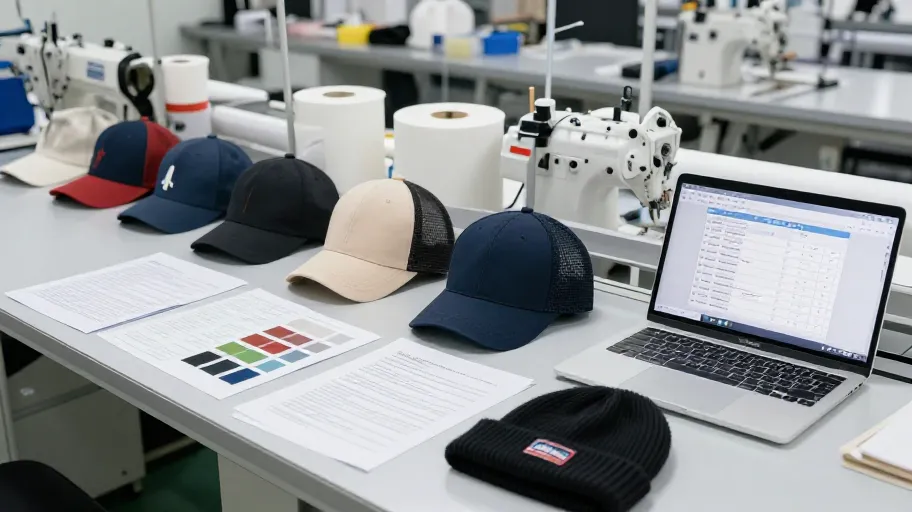
Evaluating China hat manufacturers wholesale means comparing verified evidence — credentials, samples, factory access and documented terms — rather than accepting website claims. Use the VERIFY Framework: a repeatable six-step method that turns supplier conversations into documented, comparable decisions for your private-label project.
Why comparison beats browsing when sourcing custom headwear
Most buyers lose time not because they cannot find manufacturers, but because they compare suppliers on marketing language instead of evidence. A wholesale headwear project involves design ownership, materials, construction quality, compliance documentation and commercial terms that must all be confirmed in writing before any commitment.
The goal of this guide is narrow: give you a method. Every commercial specific — MOQ, pricing, sampling policy, lead time, capacity and certifications — varies by supplier, by product and by season. Nothing in this article asserts a specific figure. Instead, each unknown becomes a documented question you put to every shortlisted manufacturer, so their answers can be compared side by side.
The VERIFY Framework for shortlisting wholesale hat manufacturers
V — Verify credentials. Confirm the manufacturer's registered business name, export experience and who actually operates the facility. Ask whether you are dealing with a factory, a trading company or a hybrid. None of these models is inherently wrong; what matters is that the model is disclosed and matches your sourcing requirements.
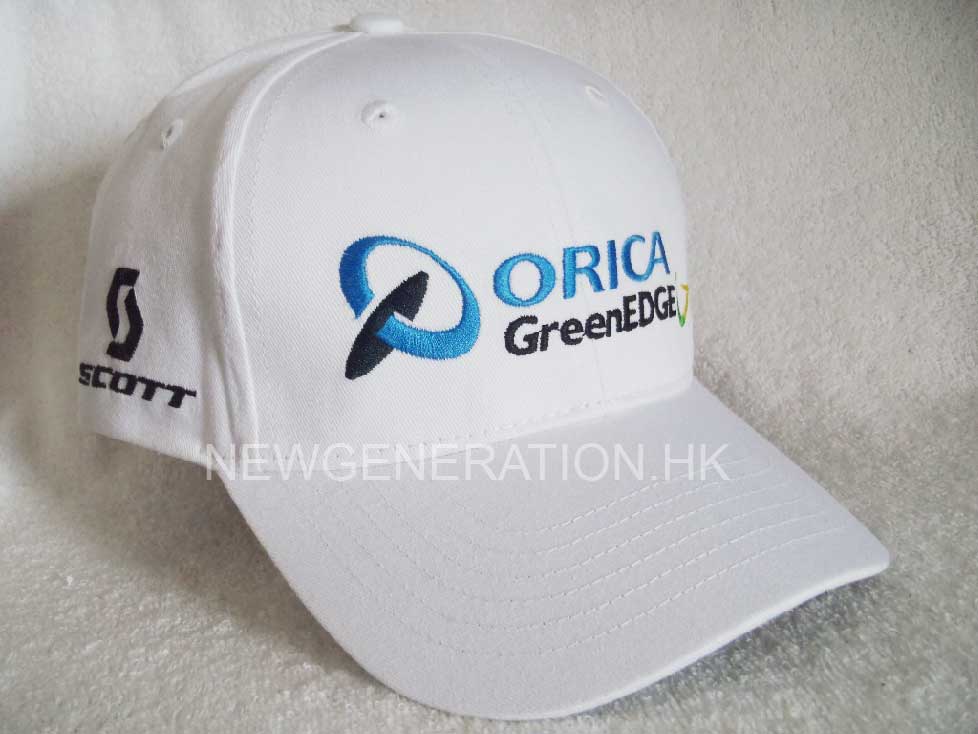
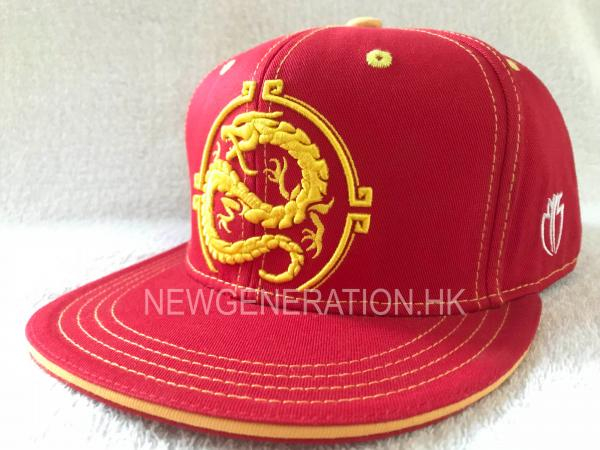
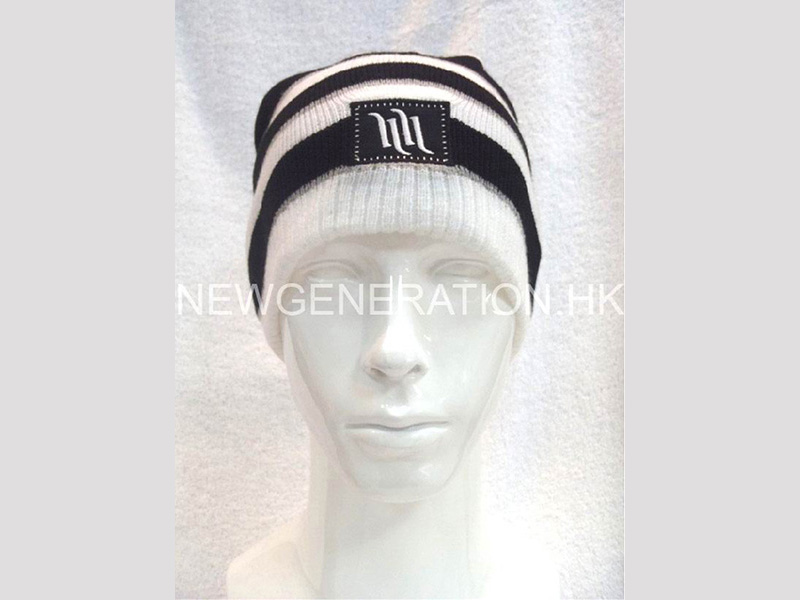
E — Evaluate samples. Request production-representative samples of the exact constructions you intend to order — for example, structured six-panel caps, unstructured dad hats, bucket hats or knit beanies. Document how each sample performs on stitching, panel alignment, brim shape, closure function, embroidery or print definition, and interior finishing. Confirm the current sample policy, cost and timeline directly with the supplier before ordering.
R — Range of capability. Establish whether the manufacturer can execute your full private-label scope: custom panels, woven labels, hangtags, packaging, and any decoration methods your brand requires. Ask which steps are done in-house and which are subcontracted, and how subcontracted steps are controlled.
I — Inspect the factory. Whether through a third-party inspection agency, an in-person visit or a live video walkthrough, verify that the facility you saw is the facility that will produce your order. Ask for a documented explanation of their quality-control process at incoming materials, in-line production and final inspection.
F — Follow-up questions. Push past the first answer. If a supplier states a capability, ask how it is verified, what documentation supports it, and what happens when a specification is not met. The quality of follow-up answers tells you as much as the first reply.
Y — Yields and documentation. Before approval, require written confirmation of defect handling, rework policy, inspection acceptance criteria and the documentation package you will receive with each shipment. Approve nothing that exists only in a chat message.
Decision table: turning evidence into a go / no-go
| Evidence gathered | Go | Investigate further | No-go |
|---|---|---|---|
| Business registration and export record | Verified and matches the entity you are contracting | Partially matches or explained inconsistently | Refuses to disclose or names shift between conversations |
| Sample quality | Matches your approved spec and construction across repeated samples | First sample acceptable; repeatability unproven | Samples inconsistent or spec changes unexplained |
| Capability scope | All decoration and labelling methods confirmed in writing | Some steps subcontracted with unclear control | Cannot evidence methods your designs require |
| Factory verification | Inspection report or verified walkthrough matches claims | Video walkthrough offered but details unconfirmed | Facility identity unclear or access refused |
| Commercial terms | MOQ, pricing structure, lead time and payment terms documented and acceptable | Terms stated verbally; written confirmation pending | Terms change between discussions or stay undocumented |
| Compliance documentation | Provides the certificates and test documentation your market requires, which you then validate | Documents promised but not yet delivered | Cannot produce documentation or deflects the request |
Score each shortlisted manufacturer against every row. A supplier does not need to be perfect on day one — but every "investigate further" needs a named owner and a deadline before you approve anything.
Approval questions to send every shortlisted manufacturer
Copy these into your first serious conversation. The answers — not the pitch — form your comparison.
- What is your registered business name, and are you a factory, a trading company, or both?
- What is your current MOQ for this construction, and how does it vary with decoration method and colourway?
- What is your current sampling policy — cost, timeline, and whether samples are produced on the same line as bulk orders?
- Which production and decoration steps are in-house, and which are subcontracted? How are subcontracted steps controlled?
- What is the current lead time for this order profile, and what factors could change it?
- What inspection process applies at incoming materials, in-line and final inspection, and what documentation will I receive?
- What compliance documentation can you provide for my destination market, and can I validate it independently?
- What is your policy when a delivered batch does not meet the approved specification?
- Which certifications or audits do you currently hold, and can I see the documents?
- Who is my named contact for production, and how are approvals recorded?
Log every answer in writing. Where an answer is a range or a promise, ask for the basis.
Sample evaluation checklist
Use this checklist on every sample before approving bulk production:
- Construction matches the approved tech pack (panel count, crown shape, brim type)
- Stitching is even, with no loose threads at seams and closures
- Embroidery or print matches approved artwork, placement and colour
- Closure, eyelets and interior taping function as specified
- Fabric weight, hand feel and colourway match the approved swatch
- Sizing and fit match the approved spec across the size range
- Labels, hangtags and packaging match your private-label artwork
- Any deviation from spec is documented and approved in writing
- A retained reference sample is signed off and kept by both parties
Red flags that justify pausing the conversation
- The supplier cannot or will not identify the producing factory.
- Written terms are replaced by verbal assurances as the conversation progresses.
- Compliance documents are described but never delivered.
- Sample quality changes between the first and second round without explanation.
- Questions about defect handling or inspection criteria are deflected.
None of these proves bad faith. Each one means the evidence you need for approval does not yet exist — so the correct status is "not approved," not "rejected."
FAQ
How many China hat manufacturers should I shortlist for a wholesale project? Shortlist enough to make comparison meaningful — three to five is a workable band for most private-label projects — but keep the evaluation identical for each. The VERIFY Framework and the decision table work only when every supplier answers the same questions.
Should I work with a factory or a trading company for custom headwear? Both models exist and both can serve private-label buyers. What matters is disclosure and fit: a factory gives you direct production access; a trading company may consolidate multiple capabilities. Verify which model you are engaging, who holds your contract, and who controls quality at each step.
How do I verify quality before committing to a bulk order? Confirm the sampling policy directly with the supplier, evaluate samples against a documented checklist, approve a signed reference sample, and require written inspection criteria for mass production. Repeat the sample evaluation when materials or designs change.
What documentation should I require before approving a supplier? At minimum: business registration details, written commercial terms, capability confirmation for your decoration methods, inspection criteria, defect and rework policy, and the compliance documents your destination market requires — all of which you should validate independently.
How do I compare suppliers fairly when their quotes differ in scope? Normalise the comparison. Strip each quote down to the same line items — construction, materials, decoration, labelling, packaging, testing and freight responsibility — and log them side by side. A scorecard exists precisely so that differing scopes become visible instead of misleading.
Compare suppliers with one structured scorecard
Turn the VERIFY Framework into a working document. 下载 Supplier Scorecard and score every shortlisted manufacturer against the same criteria — credentials, samples, capability, factory verification, terms and documentation — so your private-label decision rests on comparable evidence, not marketing claims.
Not ready to score suppliers yet? Start with the sample evaluation checklist above and bring it to your next sample review — it works with any manufacturer, at any stage.
#cap manufacturers china, #headwear manufacturers china, #cap factory