
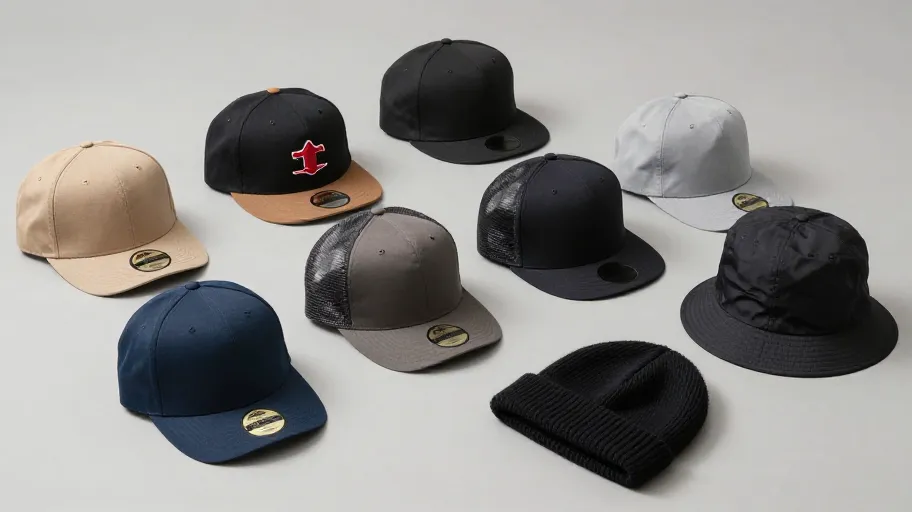
Why most brands pick the wrong hat factory (and how to avoid it)
Most brands fail at the first step: they confuse marketing polish with manufacturing capability. A slick Alibaba profile or a flashy booth at the Canton Fair doesn’t prove a bucket hat factory can deliver consistent quality under pressure. The real test is operational transparency. For example, one Midwest lifestyle brand lost $87,000 because their chosen supplier couldn’t maintain stitch density across batches—something that would’ve been caught with a third-party audit. Verified inspection reports from firms like SGS or QIMA mean you see actual factory conditions, not just curated photos. That visibility means fewer surprises, because when thread tension varies by 15%, your customers feel it in fit and durability.
We’ve seen teams save over 60% in sourcing time by filtering suppliers early using hard data instead of handshakes. If a factory won’t share a recent compliance report or delay a virtual tour of their QA line, that’s not shyness—it’s a red flag. Operational rigor means defects are logged, corrected, and prevented—not hidden.
How free hats samples reveal more than just fabric quality
Free samples aren’t a courtesy—they’re a diagnostic tool. A credible manufacturer ships a fully constructed prototype using production-intent materials within 7–10 days, often covering inbound shipping. That speed and specificity means they’re confident in their process, because producing an accurate sample requires coordination between sourcing, cutting, and stitching teams. One East Coast streetwear label used early sample feedback to shift from a high-crown design to a lower-profile fit, avoiding a potential $120,000 write-down after pre-launch testing.
If a supplier sends a mock-up made from scrap fabric or takes three weeks to ship, that’s a sign of disorganization—or worse, intent to mislead. Accurate free hats samples mean you can test market response with minimal risk, because what you hold is what will ship at scale. That’s not just cost avoidance; it’s de-risked innovation.
Build a timeline that forces accountability
Waiting until month three to evaluate quality is too late. Smart brands bake verification into their calendar from day one:
- Week 1–2: Shortlist 5–7 suppliers on platforms like Alibaba Trade Assurance that require verified audit uploads.
- Week 3: Send a standardized request for sample specs—include stitch count, fabric weight, and packaging details.
- Week 4–5: Host live video tours focused on QA stations, trim storage, and defect tracking logs.
- Week 6: Test received free hats samples for colorfastness, seam strength, and dimensional stability after simulated wear.
- Week 7: Score each supplier on compliance, responsiveness, and build quality—then decide.
This structured approach means faster decisions without cutting corners. According to a 2025 McKinsey analysis, brands using formal evaluation frameworks launched 30% faster and saw 41% fewer defect-related losses. That’s not just efficiency—it’s competitive velocity.
What separates good cap manufacturers from great ones
Great cap manufacturers don’t just follow orders—they anticipate problems. One California startup found their ideal partner when a factory proactively flagged a pending cotton tariff increase and suggested a certified alternative fabric with identical hand feel but 12% lower landed cost. That kind of insight means supply chain resilience, because reactive vendors create bottlenecks; proactive ones prevent them.
Look for signs of long-term thinking: do they offer material traceability? Can they adjust MOQs based on your growth stage? One Shenzhen-based bucket hat factory reduced MOQ to 500 units for early-stage brands, then scaled seamlessly to 10,000 as demand grew. Flexibility like that means agility without compromise, because your production partner grows with you instead of holding you back.
Next steps: turning a factory into a strategic asset
Once you’ve identified a trustworthy manufacturer, treat the relationship as a partnership, not a transaction. Share your roadmap. Invite feedback on designs. You’d be surprised how often a seasoned production manager spots a durability issue before sewing begins.
The best outcomes happen when brands stop chasing the lowest price and start building alignment around quality, speed, and mutual growth. Ready to test a real sample without upfront risk? Start with three shortlisted factories that offer verified audits, fast-turn prototypes, and full material transparency—and let the evidence decide.
#cap manufacturers china, #headwear manufacturers china, #cap factory