

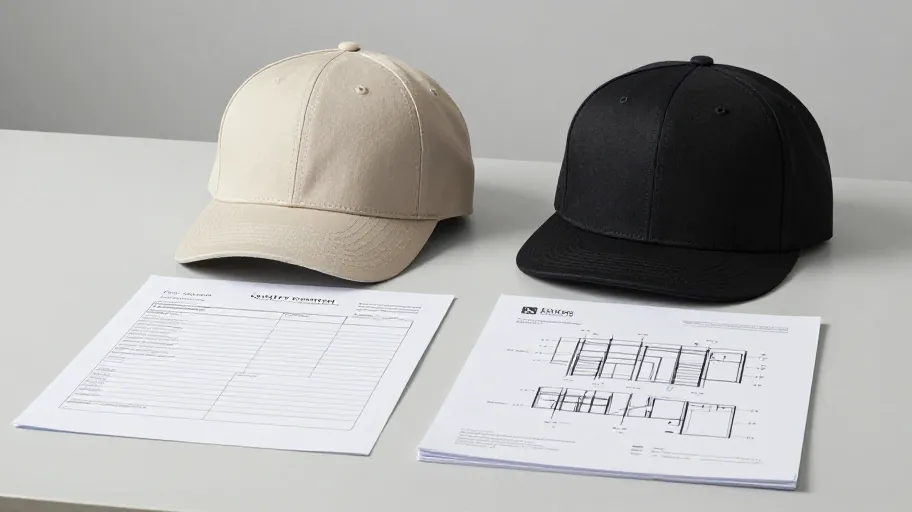
Start with paper, not fabric
A documentation-first strategy means fewer production fires because expectations are locked in before sewing begins. When a cap manufacturer provides ISO 9001 certification and mill traceability logs, it means their quality systems are auditable—not just promised. That’s critical for U.S. brands facing UFLPA compliance checks at customs. One missing dye certificate can stall a shipment for weeks, costing tens of thousands in air freight or missed retail slots.
We’ve seen teams skip document reviews to save time, only to spend 19 extra days later resolving disputes over thread count or brim stiffness. Those delays aren’t inevitable—they’re the cost of skipping clarity. A factory that shares SOPs for shrinkage testing and trim management isn’t just organized; it’s built to scale without blowing up quality. Brands using this approach report 38% fewer post-production issues—meaning lower inspection costs and higher sell-through from consistent product.
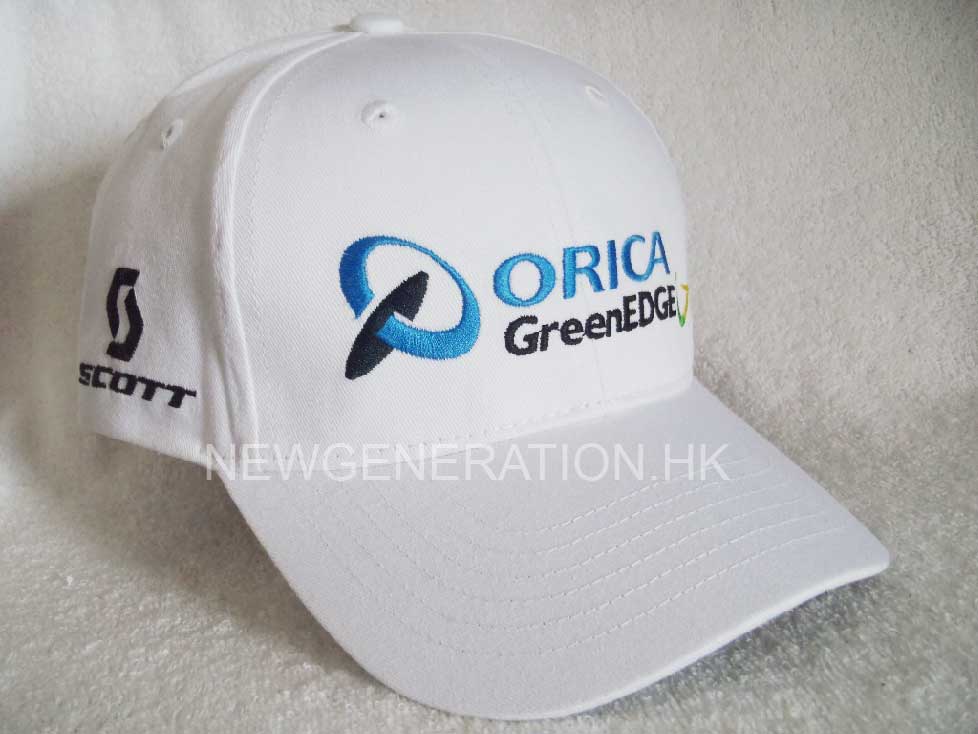
Free hats samples tell half the story
A free hat sample feels like proof, but it’s really just a snapshot. It shows what one cap can look like under perfect conditions. What it doesn’t show is whether the factory can replicate that across 50,000 units. The real test comes when you cross-check the sample against the documentation. Did they use the yarn lot number listed in their traceability log? Does the embroidery alignment match their stated tolerance of ±1.5mm?
This forensic approach turns sampling into validation, not guesswork. One brand approved a supplier based on a flawless sample—only to receive bulk units with visor curvature issues. The root cause? No documented mold inventory. The factory substituted without notice because no change control process existed. Another brand caught that gap early by demanding floor plans and machine logs upfront. They avoided disaster by splitting the order across two verified factories—and launched two weeks early.
Compliance is a competitive edge
BSCI and Oeko-Tex 100 certifications aren’t just ethics checkboxes—they’re operational signals. A factory with clean audit reports and chemical safety data can move faster through customs and avoid UFLPA holds. That means predictable delivery timelines, which translates into better shelf placement and margin protection.
But compliance also unlocks speed in development. When technical specs and material proofs are submitted early, there’s no back-and-forth during sampling. One outdoor brand reduced its time-to-market by 31% after making documentation a gatekeeper for all new suppliers. That’s not luck—it’s leverage. You’re not slowing down by asking for proof; you’re accelerating execution by eliminating rework loops and emergency fixes.
Scalability lives in the details
Can this cap factory handle 5x volume without melting down? The answer isn’t in a brochure—it’s in their capacity data and subcontractor audit trails. A facility claiming high output but lacking floor plans or shift schedules is a red flag. Without documented controls, scaling amplifies variability. With them, growth becomes predictable.
Stitch density standards, pattern grading logs, and contingency plans for monsoon season—all these details mean fewer surprises when you ramp. And that predictability has a dollar value: less air freight, fewer customer complaints, and stronger retailer relationships. One activewear brand avoided $220,000 in scrap simply by verifying machine capacity before committing. Documentation didn’t prevent a problem—it prevented a gamble.
Trust is earned on paper first
In today’s market, trust isn’t given—it’s documented. Relying on gut feeling or Instagram photos might feel fast, but it’s actually the slowest path to market. The fastest route? Start with the paper trail: certifications, logs, and standards. Use them to confirm the factory has the systems to deliver consistently.
Then send the request for free hats samples—not as a starting point, but as a checkpoint. Let the physical cap prove what the documents claim. When you reverse the order, you turn sourcing from a risk into a repeatable process. And that means faster launches, cleaner deliveries, and supply chains built on evidence, not hope.
#cap manufacturers china, #headwear manufacturers china, #cap factory