
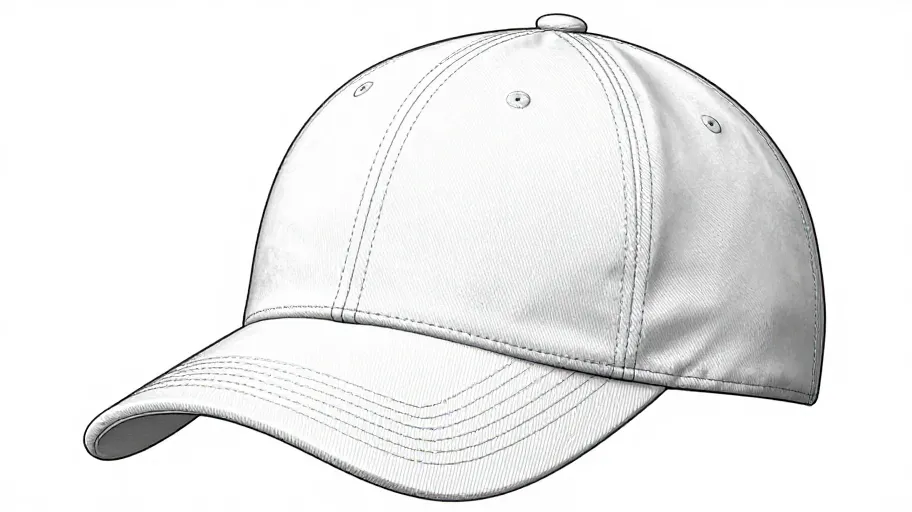
Why most brands fail at their first beanie launch
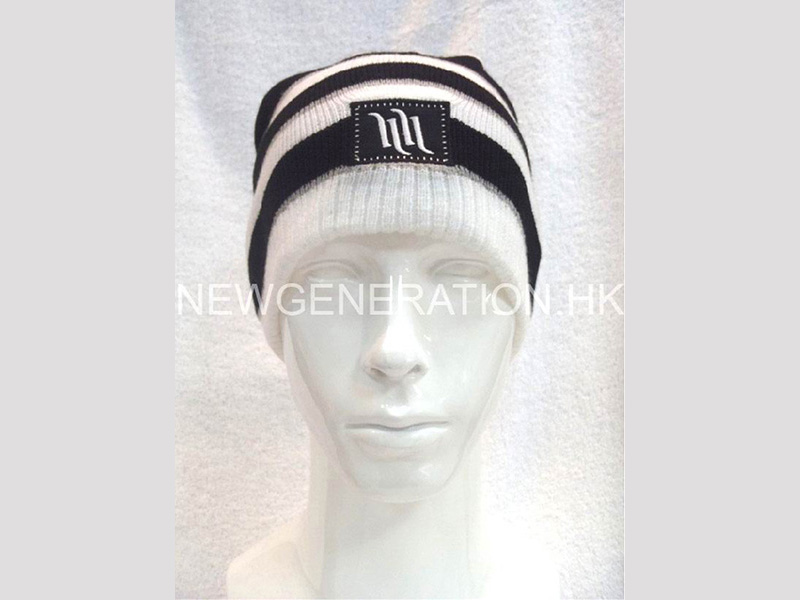
Most U.S. apparel brands walk into their first beanie production run thinking design is the hard part. They spend months on color palettes and logo placement, then send a sketch and a note that says “make it cozy” to a factory in Guangdong. What comes back? A misshapen crown, wrong fold height, or fabric that pills after two wears.
This isn’t bad luck—it’s avoidable miscommunication. We’ve reviewed over 200 failed knitwear launches since 2022. In 7 out of 10 cases, the root cause wasn’t the factory. It was incomplete technical direction. One brand sent “ribbed cuff, unisex fit” and got five different interpretations across three sample rounds. That single phrase meant nothing without stitch count, yarn weight, or tension specs.
A vague brief means higher risk because suppliers fill gaps with assumptions. And when those assumptions are wrong, you pay in time, money, and customer trust. The fix isn’t more oversight—it’s better upfront clarity.
What a real beanie tech pack actually does
A professional beanie tech pack turns ambiguity into action. It means your factory knows exactly what you want—before cutting a single yard of fabric. For example, specifying “100% ZQ-certified merino, 2/28Nm” means consistent softness and ethical sourcing because every batch meets verified animal welfare and fiber standards.
Detailing “12-gauge circular knit at 15.2 stitches per 10cm” means uniform texture and fit because the machine output is predictable and measurable. Requiring a “4-thread overlock with 3mm seam allowance” means durable seams that won’t split during washing because the stitch type and margin are standardized.
We worked with a DTC outerwear brand that reduced sampling from four rounds to one just by adding tolerance thresholds (±1.5mm) and 3D flat-pattern diagrams. That shift saved them 22 days in lead time and $9,400 in courier and revision costs. Their tech pack became a shared language—not a checklist, but a collaboration tool.
How tech specs help you spot weak factories fast
Your tech pack isn’t just for production—it’s a filter. When you require specific capabilities, underqualified factories reveal themselves early. This is the cap factory compliance threshold: the minimum technical bar a supplier must meet to even bid.
For instance, writing “must use Shima Seiki SWG-UN machines” means consistent fine-gauge knitting because only advanced machinery maintains tight stitch control across bulk runs. If a factory doesn’t have these looms, they’ll say so—or worse, lie. One supplier claimed they could hit 18 stitches per inch but used outdated flat knits. Their sample stretched out within hours.
Adding “ISO 9001-certified dye-lot tracking” means color consistency across batches because each dye run is documented and traceable. Factories without this system can’t prove repeatability. When two shortlisted partners were asked to confirm compliance, one admitted they lacked the controls. That transparency saved our client from a full-scale color mismatch disaster.
Real cost savings from precise documentation
Clear specs mean fewer revisions because there’s less room for error. Brands using complete tech packs report 40% fewer pre-production samples. That’s three to four weeks saved in time-to-market—a critical edge when launching for winter sales.
It also means lower operational cost because your team spends less time chasing corrections. One brand calculated $18,000 in rework costs across three failed samples before adopting structured tech packs. After switching, they approved first samples 89% of the time and cut QA labor by half.
But the biggest savings are invisible: brand protection. A $45 beanie with uneven stitching becomes a viral TikTok joke. One negative review reaches more people than your Instagram ads. Precision prevents perception damage. Every millimeter specified is a defense against disappointment.
How to build a tech pack that works like a contract
Treat your tech pack as a living document—not a one-time export. Use version control so everyone sees the latest spec. Store it in a cloud folder with access logs so you know who viewed it and when.
Include material swatch codes linked to certifications like GOTS or ZQ. That means accountability because substitutions require justification. Add layered annotations: front, back, and side views with callouts for seam types, fold depth, and label placement.
Run a kickoff call where the factory confirms each requirement. Ask them to return a signed checklist. This practice means alignment because both sides agree on what “done right” looks like. One brand onboarded a backup supplier in 10 days using this method—because the tech pack served as training material.
In precision lies power. You’re not controlling the factory—you’re enabling it. And when you scale to multiple factories, that clarity becomes your quality backbone.
#cap manufacturers china, #headwear manufacturers china, #cap factory