Why your sketch isn’t enough for cap manufacturers
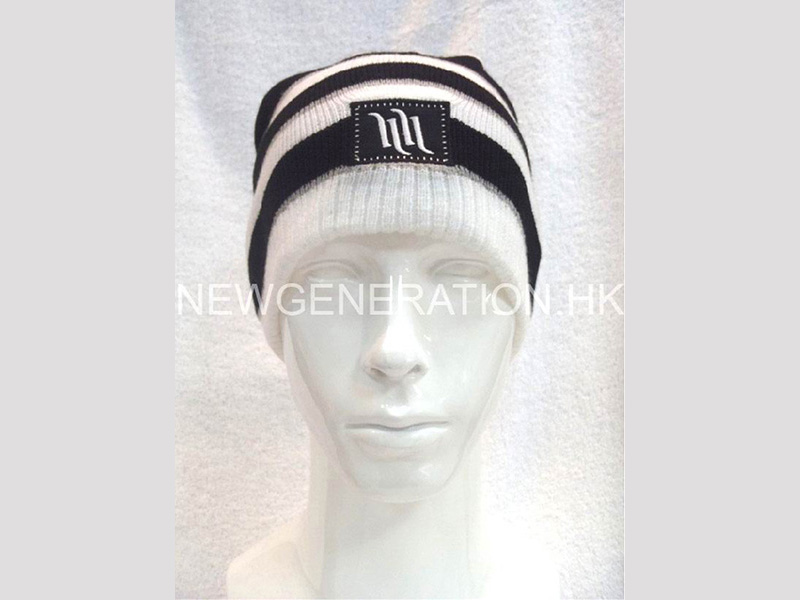
Hand-drawn concepts don’t scale. When a U.S. lifestyle brand sent a rough sketch of a winter beanie to a factory in Guangdong, they expected merino wool—they got acrylic. The result? A $150,000 rework order and a delayed launch. That mistake wasn’t malice; it was misalignment. Cap manufacturers aren’t mind readers. One factory’s idea of a ribbed cuff may have 18 stitches per inch; another’s might be looser and bulkier. Without clear specs, you’re not managing production—you’re betting on interpretation.
A beanie tech pack means you get consistent execution because it replaces assumptions with exact requirements. It defines fiber type, stitch density, seam allowances, and hem depth so every factory reads from the same blueprint. For decision-makers, that means fewer surprises at shipment time. For operations teams, it slashes back-and-forth during sampling. This shift from ambiguity to precision is what turns a risky sourcing effort into a repeatable system.
What makes a tech pack a technical contract
A full beanie tech pack isn’t just a design reference—it’s a binding agreement between brand and cap factory. It specifies 100% pre-shrunk merino wool at 28-gauge, not “soft wool.” It calls for a 1.5-inch folded brim with topstitching 3mm from the edge, not “a clean finish.” These details mean zero guesswork during production because factories can’t improvise when the standard is documented.
This level of specificity means faster approvals and higher first-pass yield because there’s no reverse-engineering from a sample. Engineers use the pack to set machine tension and verify dye lots. QA teams pull measurement grids directly from its flat-pattern drawings. Even packaging is locked down: “individually polybagged with hangtag #HWT-2025B, barcoded on right side.” That consistency means your brand stays intact across SKUs and suppliers—critical for DTC brands building trust through reliability.
How this cuts time and cost in real terms
Clear specs reduce waste, which lowers costs. A Dongguan-based cap factory reported 22% higher efficiency margins on orders backed by complete tech packs—meaning they could offer better pricing on future runs. That’s because precise instructions minimize errors, re-sampling, and emergency air freight. One outerwear brand slashed secondary factory onboarding from 14 weeks to 6 by using the same tech pack across multiple partners. That speed means resilience: if one factory hits capacity limits or port delays, you pivot without losing quality.
The numbers are clear. According to the Apparel Industry Consortium (2024), 68% of apparel production delays start with unclear technical briefs. With a mature beanie tech pack, brands see up to 70% fewer sampling revisions and 40% fewer post-shipment corrections (Apparel Sourcing Review, 2025). That’s not overhead—that’s profit protection. You compress time-to-market, strengthen IP control, and build a supply chain that scales without breaking stride.
Turning factories into predictable extensions of your brand
The best cap factories treat a beanie tech pack as more than instructions—they use it for training line supervisors and building internal QC checklists. Hourly audits verify stitch counts against spec. Pre-production runs confirm tension settings. This integration means your brand standards become part of their workflow, not an external demand.
For executives, this shift transforms the factory from a black box into an auditable partner. You’re no longer dependent on one supplier’s interpretation or goodwill. Instead, you have a replicable model that supports multi-factory strategies—a must in today’s volatile climate. Brands win not because they design flashier hats, but because they ship flawless ones on time, every time. And that consistency? That’s what builds customer loyalty and lifetime value.
Next steps: auditing factory capability to execute
Having a perfect tech pack only works if your cap factory can follow it. The next step is evaluating technical readiness: do they have digital pattern software? Can they match gauge and tension specs? Do their QC processes align with your checkpoints?
Start by sending the tech pack early—not after selection, but during vetting. Ask them to return a production plan referencing each section. Their response will show whether they treat documentation as noise or necessity. Brands that win in private-label headwear don’t just find cheap suppliers. They find capable ones—and equip them with the clarity to succeed. See how your current process stacks up with our free tech pack audit checklist.
#cap manufacturers china, #headwear manufacturers china, #cap factory