


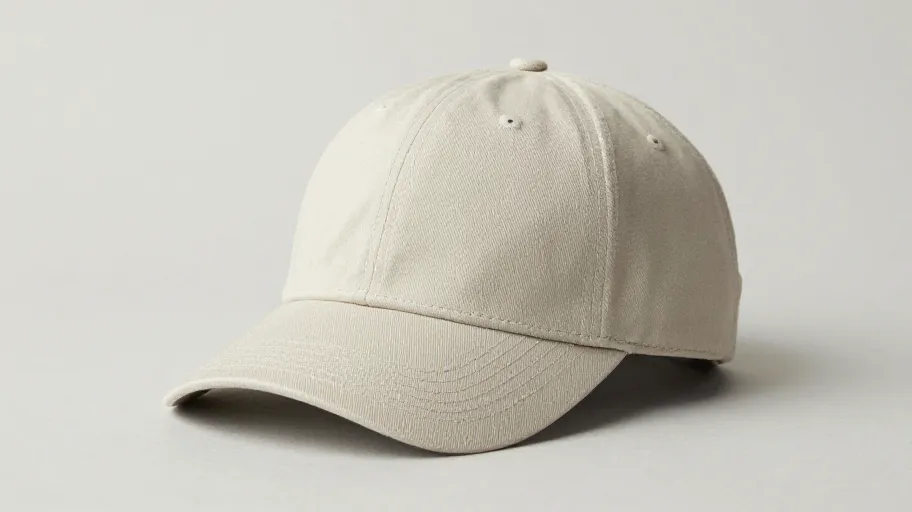
Why most brands fail at private-label hats
Most new hat brands don’t fail because of bad designs—they fail because they partner with factories that can’t execute. A 2024 Apparel Industry Consortium study found over 60% of fashion startups traced early collapse to manufacturer misalignment. That means approving a perfect sample, then receiving bulk orders with crooked stitching, inconsistent dyes, or brims that warp after one wash.
This isn’t bad luck—it’s preventable. Factories that offer low minimum order quantities (MOQs) often lack the systems to maintain quality when scaling. You might get free hat samples fast, but if those samples aren’t built on the same line as mass production, you’re testing a fantasy. What you need is proof: a factory where the sample process mirrors real-world output.
Production scalability means you won’t miss peak season because your supplier can’t ramp from 5,000 to 20,000 units in eight weeks. It’s not just about machines—it’s about modular lines, buffer stock, and staff trained to adapt. Without it, viral success becomes a fulfillment disaster.
How sample validation stops costly mistakes
A bucket hat factory that skips proper sample protocols is gambling with your brand. The difference between a professional and an amateur? One uses pre-production prototypes made on the actual assembly line, tests fabric shrinkage and stitch density, and documents colorfastness under UV light. The other sends a quick mockup stitched by hand—great for photos, useless for forecasting.
Validated samples mean fewer surprises in bulk production because every variable is measured. If your outdoor hats claim UPF 50+ protection, but the final batch uses looser thread tension or a different dye lot, you’re not just underperforming—you’re risking false advertising claims.
A DTC gear brand learned this the hard way: their first run had a 38% return rate due to uneven brim curvature. After switching to a factory with third-party-verified sampling, returns dropped by 42%, and reorders came six weeks faster. Sample validation means confidence in consistency, because fit, fabric, and performance are confirmed before you commit capital.
What to look for in a cap manufacturer
Not all cap factories are built the same. The best ones don’t just say they’re reliable—they prove it. Compliance documentation like ISO 9001 or BSCI audits means ethical labor practices and standardized quality control. But don’t stop there.
- Capacity mapping means your production window won’t be delayed because the factory overbooked—critical during Q2 beach season or holiday runs.
- Digital pattern archives mean repeat orders match exactly, because your design isn’t stored in someone’s notebook but in a secure, version-controlled system.
- In-house embroidery means no outsourcing blind spots—quality stays under one roof.
- Free hat samples are great, but only if they come with test reports on shrinkage, pilling, and UV resistance.
One activewear brand avoided $180,000 in defective inventory by auditing humidity controls, QC logs, and change-tracking processes. Their original supplier stored cotton in damp conditions—no wonder the brims warped. The vetted partner maintained climate-controlled storage and digital records, delivering a flawless launch three weeks early.
Turning verification into speed
A factory audit isn’t a slowdown—it’s an accelerator. Brands that audit early report faster certification cycles for CE or FTC labels because compliant factories already keep auditable records. You’re not starting from zero; you’re building on verified systems.
Beyond risk reduction, auditing creates leverage. Once you’ve validated a partner’s capabilities, you can negotiate better terms: expanded sampling rights, phased MOQs (start at 500, scale to 10,000), and even co-engineering support to refine your design. One client used audit findings to lock in priority production slots ahead of summer demand.
And let’s talk IP. Factories with strong operational standards are less likely to copy or leak your designs. Formal agreements backed by real infrastructure mean your unique brim shape or liner tech stays yours. In a crowded market, that’s not just protection—it’s competitive insulation.
Next steps for smart sourcing
You don’t have to guess which cap manufacturers can deliver. Start with a shortlist of bucket hat factories offering free samples—but insist those samples come with documentation: material test reports, stitch counts, and production-line verification. Ask for capacity calendars and proof of in-house capabilities. Visit if possible, or request a video audit.
Every dollar spent on due diligence saves five in avoided waste, delays, and damaged reputation. Precision execution beats hope every time—especially when your brand’s credibility rides on the stiffness of a brim or the feel of a sweatband.
Ready to skip the sourcing traps? See which factories pass our 12-point audit checklist—and request verified free hat samples today.
#cap manufacturers china, #headwear manufacturers china, #cap factory








