


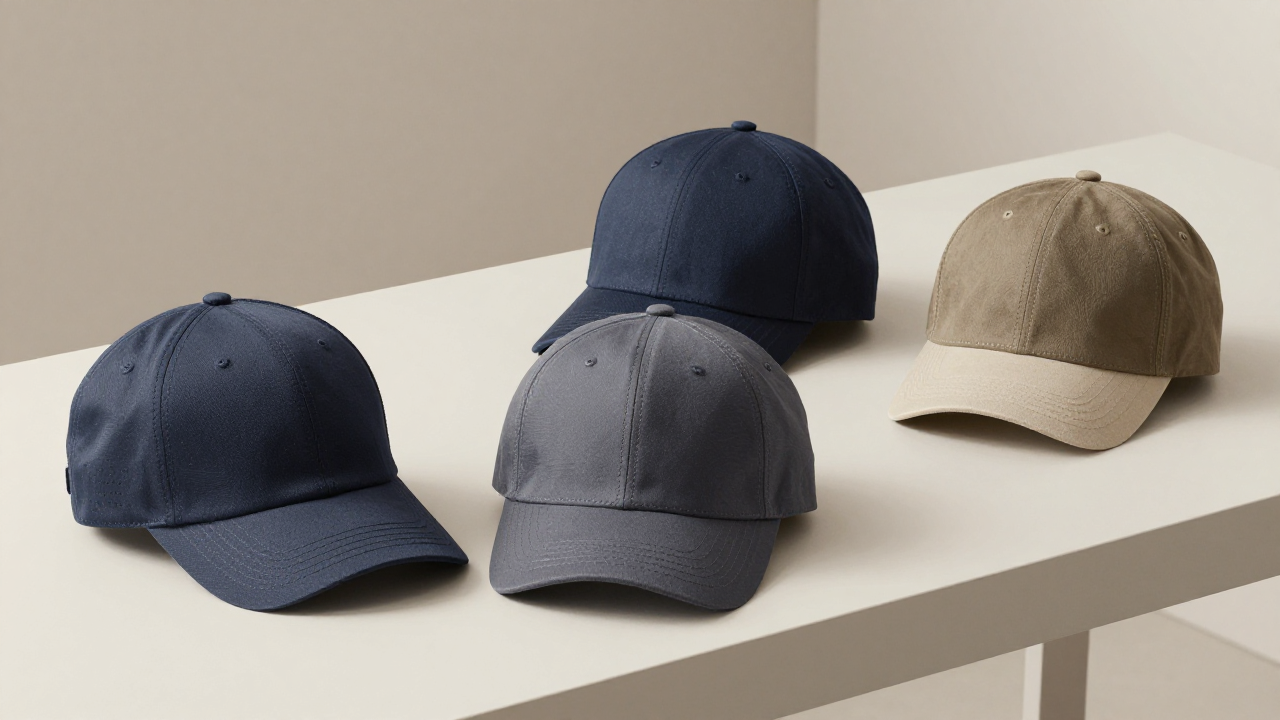
By May 1, 2023, our team at newgeneration cut production time for 18,000 custom caps from 45 days to 27 days—a 40% reduction—for a Portland, Oregon, apparel brand.…
The bottleneck was approval drag and fabric booking, not sewing capacity. The work that mattered was choosing the right cap manufacturers and rebuilding the handoff between design, sampling, and cut-and-sew.
What Was the Real Production Bottleneck?
The brand had two bad runs before it called us in January 2023. A Los Angeles decorator quoted 45 production days but slipped to 58 twice because the front-logo approval loop kept restarting. A Vietnam factory hit the unit price target, then pushed the ship date by three weeks when its embroidery subcontractor ran out of navy thread. The brand had 18,000 units across four styles, a Memorial Day launch, and no room for a third miss.
We set three metrics on January 9, 2023: production days after final sample approval at 45 or fewer, first-pass sample approval at two rounds or fewer, and final-QC rework below 2%. The 45-day baseline hid a 12-day sampling phase, 10 days of fabric booking, 15 days of cut-and-sew, 5 days of embroidery, and 3 days of QC and packing. The first two vendors lost days in sampling and fabric, not on the sewing floor.
How Do You Choose Cap Manufacturers When the Deadline Is Fixed?
Choose cap manufacturers by measured handoff time, not by headline unit price. On January 12, 2023, the client scored seven cap manufacturers on sample turnaround, fabric hold, in-house embroidery, MOQ, and defect history; the lowest quote finished fourth.
The client picked our factory on February 1, 2023, because we held 10.5 oz cotton twill in stock and ran embroidery in the same building. The tradeoff: 22-day ocean transit to the Port of Los Angeles meant air-freighting 3,000 units for the first drop at $1.90 per cap. The first drop landed at $8.05 per cap, against $9.80 from the Los Angeles decorator. (Those freight numbers are from the first drop only, not the full order.)
We turned down a $6.40 quote because the Vietnam factory outsourced embroidery and had a 14-day sample loop. A three-week slip on a 45-day window was the risk the client could not underwrite.
What Went Wrong in the First Two Weeks?
The first integration broke at artwork approval and fabric shrinkage. We assumed 12-head embroidery machine capacity would absorb a 6,500-stitch front logo; the real delay was 11 days of thread-color approvals and a 2.4 mm logo shift on curved cotton twill. We set stitch density at 8,000 stitches per cap for the front logo and 12,000 total with side embroidery.
On February 6, the tech pack reached the factory floor. The digitizer found 11 thread color changes. We pushed back to 9 colors to cut machine time. Sampling took five days, then another four because the navy thread read green under warehouse lighting. We started with Pantone 289 C and switched to 282 C.
We first blamed machine speed. The embroidery machine ran 3.2 minutes per cap. Approvals ate 11 days. We moved sign-off to a shared tracker with 24-hour decisions and cut the approval loop to three days.
Fabric caused the second surprise. The mill’s dye house was booked through February 17. We switched to stock 10.5 oz cotton twill in heather gray and navy, saved nine days, and changed one SKU from forest green to heather gray. That was a commercial call, and the client approved it on February 14.
The side logo also needed a change. We tested 200 caps with heat transfer and screen printing. Heat transfer had 3.2% misregistration on the curved side panel; screen printing at a 70-durometer squeegee had 0.8%. We switched to screen printing on March 2.
Final QC alone was not enough. We added inline inspection at 30% completion. That moved rework from 6.1% to 1.8%.
What Did the 40% Time Cut Actually Look Like?
Production time fell from 45 days to 27 days—18 days saved—with 18,000 caps shipped in three drops between April 17 and May 1, 2023. Sampling went from 12 days to 4; fabric booking from 10 to 6; cut-and-sew from 15 to 11; embroidery from 5 to 3; QC and packing stayed at 3.
Expedited freight came in at $5,700 against a $9,200 budget. Rework fell from 6.1% to 1.8%, which saved 774 caps from repair or replacement. The first air drop reached the brand’s 3PL in Portland on April 22. The brand sold 4,100 caps in the first 10 days and placed a 6,000-unit reorder on May 9.
The 18-day buffer changed the launch plan. The brand moved a paid social campaign from June to May 8 and hit Memorial Day with inventory in hand.
Which Lessons Transfer to Other Custom Cap Programs?
Four changes transfer to any custom cap program: score approval speed, reserve fabric before the PO, keep embroidery with cut-and-sew, and inspect inline at 30% completion.
1. Put sample approval into the purchase order. If your cap manufacturer cannot promise a 5-day sample and a two-round approval cap, the production window is fiction. We wrote a 48-hour decision clause into the PO and saved seven days.
2. Reserve greige fabric before you lock the launch date. A 10.5 oz cotton twill booking can move nine days in a week. Pay the hold fee.
3. Keep embroidery under the same roof as cut-and-sew. Outsourced embroidery adds a truck leg and a second defect owner; the Vietnam quote lost because its subcontractor caused a 21-day slip.
4. Inspect at 30% completion, not only at final. Inline inspection caught 212 caps with crooked side panels on March 28, before the embroidery run. Final-only inspection would have found them after 18,000 units were packed.
Frequently Asked Questions
These are the questions U.S. buyers asked us most often after the Portland case. The short answer: production time is a contract design problem before it is a factory speed problem.
How long does custom cap production take?
Custom cap production usually takes 30–45 days after final sample approval for orders of 5,000–20,000 units. In our 2023 Portland case, 18,000 caps ran in 27 production days. Add 18–30 days of ocean transit to the U.S. West Coast, or 5–7 days by air freight.
What MOQ should I expect from cap manufacturers?
MOQ varies by fabric and decoration. For stock cotton twill with embroidery, U.S. buyers should expect 600–1,200 pieces per colorway; custom jacquard or dye-sublimated caps often start at 1,500–3,000 pieces. A 600-piece MOQ is common from Asian cap factories with in-house embroidery.
How do you compare cap manufacturers beyond price?
Compare sample turnaround, fabric hold, in-house embroidery, inline QC, and defect history. Ask for a production calendar with named approval dates. A $6.40 cap that misses a launch can cost more than a $7.80 cap that ships on time. Landed cost includes freight, duties, and rework.
What causes most delays with cap manufacturers?
Most delays come from approval loops, fabric booking, and outsourced decoration. In the Portland case, thread-color approvals ate 11 days before any cap was cut. A factory that controls fabric and embroidery can compress those handoffs; a broker cannot. Put decision deadlines in writing before the PO.








