


Why cap manufacturers are dropping MOQs for good
Cap manufacturers are moving away from rigid minimum order quantities because on-demand production means brands can scale without overstocking. Modular cap factories now run small batches efficiently—switching between designs in hours using automated embroidery and digital fabric cutting. That means you can order just 50 or 500 units without paying a premium, because setup costs have dropped by as much as 60% since 2022. This shift isn’t charity—it’s enabled by automation, nearshored labor, and cloud-based workflow systems that make low-volume runs profitable.
For decision-makers, this eliminates one of the biggest barriers to entry: upfront inventory cost. Startups no longer have to gamble six figures on unproven designs. For operations teams, it means faster turnaround and fewer warehouse headaches. And for executives, it unlocks agile product testing—launch four variants in different markets, double down on what sells, and retire the rest without liquidation losses.
The real reason your last sample was wrong
Vague sketches and email chains lead to misaligned logos, wrong colors, and inconsistent stitching—problems that cost time and money. The fix? A beanie tech pack: a structured digital file that defines every detail of your cap or beanie, from PMS thread codes to exact logo placement in millimeters. When you submit a complete tech pack, the cap factory’s system validates material availability, checks stitch density, and auto-generates a 3D mockup within 48 hours. That means you approve the look and fit before any physical sample is made.
This process cuts sampling errors by up to 70%, according to brands using digital-first suppliers. Instead of waiting two weeks and three revisions to get it right, you lock specs early and move straight to production. Engineers appreciate the precision; designers love the visual accuracy; and project managers save an average of 11 days per launch cycle.
Quality doesn’t suffer when minimums disappear
The idea that no minimums mean lower quality is outdated. Today’s agile cap factories use the same high-tension stitching machines, ring-spun cotton blends, and embroidered badges as bulk producers—but with tighter oversight. Because each batch is smaller, inspectors examine every unit, not just a random sample. One U.S.-based manufacturer reports a 98.6% first-run approval rate across its no-minimum clients, exceeding industry averages for mass orders.
Data-driven traceability makes this possible. If a dye lot varies by more than 2 delta-E units in color, the system flags it before sewing begins. That kind of precision wasn’t feasible in traditional factories where changeovers were costly. Now, variability is expected—and consistency is enforced through real-time monitoring. So you’re not trading craftsmanship for convenience. You’re getting better control at any volume.
How one brand saved $18K on event merch
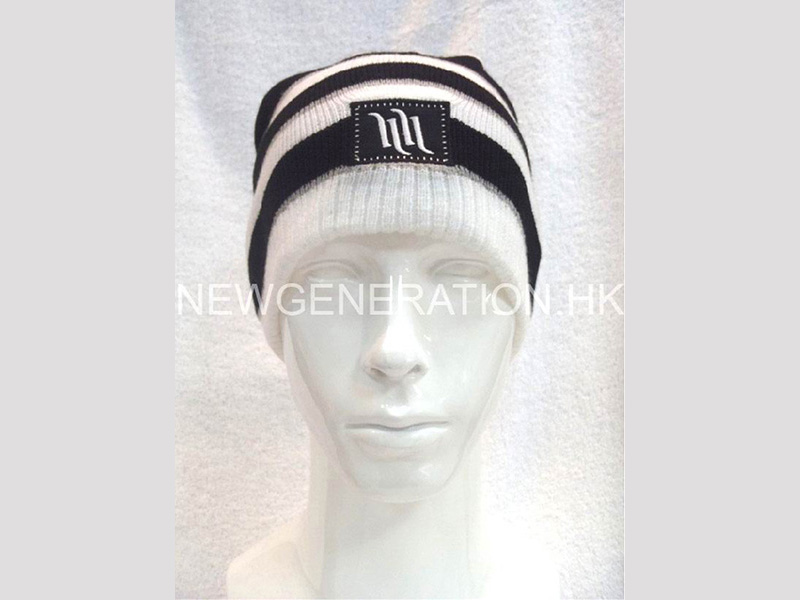
A lifestyle brand planning a four-city pop-up tour needed unique beanies for each location—city name, local landmark, consistent branding. Using a traditional supplier, they’d have had to order 1,000 units per design to meet MOQs, totaling 4,000 units and massive surplus. Instead, they used a digital-first cap factory to produce 300–500 units per city based on attendance forecasts.
Their beanie tech pack ensured uniform fit and finish across all variants, while localized embroidery reduced shipping weight and carbon output. Total savings? Over $18K in avoided inventory and warehousing. Plus, they achieved a 34% higher per-unit profit margin thanks to near-total sell-through. This isn’t just cost avoidance—it’s capital reallocation. The money saved went into customer experiences, not dead stock.
Your tech pack is your most powerful launch tool
The bottleneck in apparel today isn’t manufacturing capacity—it’s specification clarity. A well-built beanie tech pack does more than guide production; it becomes the single source of truth for your entire team. It aligns designers, marketers, and suppliers around exact expectations, so there’s no debate about thread color or patch size.
When integrated with digital sampling tools, it turns approvals from a slow back-and-forth into a fast, visual collaboration. You click ‘approve’ on a photorealistic 3D render, and production starts immediately. That means faster time-to-market, fewer mistakes, and less waste. Brands that master this aren’t just saving money—they’re gaining agility. In a world where trends shift weekly, being able to launch in 14 days instead of 14 weeks is the ultimate competitive edge.
#cap manufacturers china, #headwear manufacturers china, #cap factory