

Why On Demand Manufacturing Ends Inventory Waste
Producing custom hats only after orders come in means you never pay for unsold stock—because nothing is made until it’s bought. This flips the traditional model where brands guess demand, overproduce, and absorb losses. For headwear lines with short trend cycles, that old approach can leave 30–50% of summer bucket hats sitting idle by fall, tying up cash and space.
A 2024 Apparel Analytics Consortium study found pre-emptive production adds an average 18% annual carrying cost to inventory value, with obsolescence hitting 40% in fashion-driven categories. On-demand systems eliminate that drag by syncing output to actual sales. One Brooklyn streetwear label launched three limited-edition caps without holding inventory and sold out in two weeks. When they restocked, they doubled volume based on real data—not forecasts.
Agile cap manufacturers now run modular lines that switch between styles fast, so small batches don’t slow things down. That means your brand gains the same responsiveness as top-tier players, without warehousing fees or markdown pressure. It’s not just leaner—it’s smarter business.
Free Hats Samples Are Your Quality Insurance
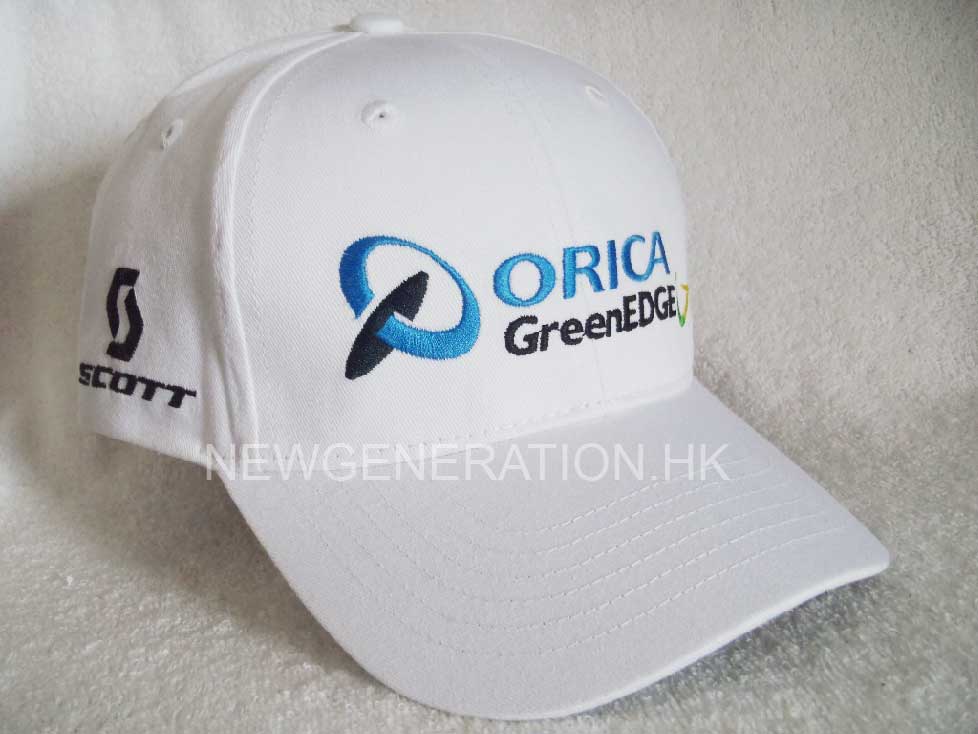
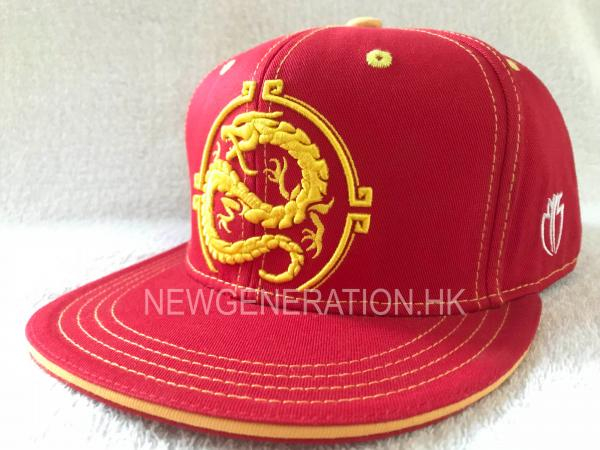
Getting a physical prototype before full production means you verify every detail—stitching, brim structure, embroidery clarity, and color accuracy—without risking bulk costs. These aren’t promotional swag; they’re precision tools for approval. You inspect fit, fabric behavior, and construction integrity long before customer orders ship.
According to a 2025 Textile Integrity Labs report, brands using sample validation cut post-launch defect complaints by up to 65%. One designer caught a flaw when her eco-dyed cotton bled during light rain exposure—a failure that would have damaged trust if discovered after launch. Free hats samples let you fix issues upfront, so what reaches customers matches your vision exactly.
Digital approval workflows now sync with these samples, letting teams mark up photos, share notes, and sign off remotely. That reduces decision time from days to hours, accelerating time-to-market by about 40% compared to traditional factory cycles.
Small Runs Don’t Mean Lower Quality
The idea that low-volume = lower quality is outdated. Today’s cap factories use the same high-tension sewing machines, structured foam fronts, and laser-guided embroidery systems for one hat or one thousand. Digital pattern-making and automated cutting ensure consistency across runs, regardless of size.
On-demand partners absorb setup costs through operational efficiency, so startups get the same craftsmanship as major labels. A Miami lifestyle brand tested four neighborhood-specific bucket hat designs using on-demand production. By measuring local sales, they refined their next drop with hyper-local insights—cutting time-to-iteration from 14 weeks to just 9 days.
This isn’t just about access—it’s about speed, relevance, and creative freedom. When inventory risk drops, experimentation rises. Every design becomes a data point in a live feedback loop, not a gamble on a seasonal forecast.
Real Brands Real Results No Guesswork
A Portland outdoor brand launched UV-protective bucket hats with interchangeable straps via on-demand channels. Within a month, they identified which strap combinations customers preferred and used that data to finalize their permanent line. The result? Proven product-market fit, zero overstock, and no landfill waste.
Another independent label skipped minimums entirely, using free hats samples to validate three styles with influencers before opening public sales. All three sold out in under ten days. Because they scaled only what performed, margins stayed healthy and brand reputation grew.
These cases show how on-demand manufacturing shifts the brand-consumer relationship: from prediction to participation. Every purchase informs the next move. That’s not just sustainable production—it’s intelligent evolution.
The Future Is Demand Aligned Creation
On-demand cap manufacturing isn’t a niche workaround—it’s the future of headwear. With zero minimums, free hats samples, and digital approvals, brands launch faster, waste less, and adapt quicker. Carrying costs disappear. Entry barriers shrink. Sustainability improves. And quality stays consistent, no matter the batch size.
- Eliminate warehousing and depreciation from unsold stock
- Launch without upfront inventory investment
- Test designs quickly, then scale based on real demand
- Reduce textile waste and carbon footprint from overproduction
Cap manufacturers who support this model aren’t exceptions—they’re enablers of a new standard. If you’re designing hats today, you’re not choosing between mass production and compromise. You’re building a responsive, customer-led brand. Ready to launch your next drop with confidence? Start with a sample, not a spreadsheet.
#cap manufacturers china, #headwear manufacturers china, #cap factory