
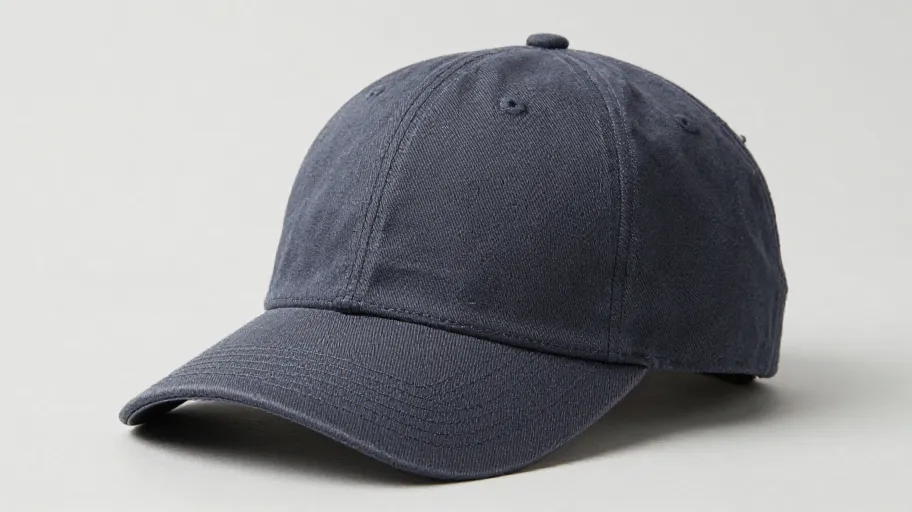
Selecting the right cap manufacturer can cut approval time by 50% and prevent costly rework. This guide reveals what top brands use to ensure precision, speed, and compliance in custom embroidery.
Why the Cheapest Quote Costs You Most
A misaligned logo isn’t just a flaw—it’s a failure in communication. One U.S. activewear brand nearly missed its spring launch because their overseas cap factory stitched a distorted logo. The root cause? A vague tech pack. What followed was six weeks of back-and-forth, air freight surcharges, and lost retail shelf space—all because the initial quote looked good on paper.
The cheapest quote often becomes the most expensive decision when technical clarity breaks down. According to ASTM International, 68% of apparel sampling errors come from incomplete documentation. In custom cap production, where stitch density, placement, and underlay matter, ambiguity multiplies risk during embroidery digitizing—the process of turning a 2D logo into machine code.
When factories receive flat artwork without explicit instructions, their digitizers guess. Was that curve meant to be satin or tatami fill? Should the outline use one pass or three? Every assumption increases deviation. And since most overseas partners work on a “revise until approved” model, each correction adds cost and delay.
How Automation Turns Guesswork Into Precision
AI-driven digitizing software eliminates interpretation by applying brand-specific rules to every design. If your standard calls for a 0.75-inch height lockup with 12% pull compensation, automated systems enforce it across all SKUs. That means consistent output, because variation is no longer left to individual skill or timezone availability.
One athleticwear label reduced revision cycles from 3.2 to 1.1 rounds after adopting automation—reclaiming nearly two weeks per order. More importantly, they hit a 94% first-pass approval rate, far above the industry average of 58%. That’s not just faster samples—it’s calendar certainty for marketing launches and inventory planning.
This level of control means fewer surprises, because predictable execution enables tighter coordination between design, production, and fulfillment. For teams managing multiple SKUs or seasonal drops, this consistency compounds: less firefighting, more strategic focus.
Structured Workflows Beat Chaotic Feedback
Even perfect digitizing fails if feedback is scattered across WhatsApp images, PDF markups, and verbal notes. These methods create version drift and accountability gaps. A structured digital approval workflow fixes this by centralizing reviews, locking revisions, and requiring sign-off at key stages: artwork finalization, digitizing output, physical sample submission, and pre-production release.
Think of it as version control for product development. When everyone reviews against the same baseline file, disputes over “what was agreed” disappear. A 2024 supply chain benchmark found brands using integrated platforms cut iteration time by 40%, mainly by eliminating misalignment.
For example, a DTC headwear startup chose an 18% pricier partner because they offered a cloud-based approval dashboard. That decision saved an estimated $7,200 in freight, labor, and opportunity cost by avoiding three revision cycles. More critically, they launched on time and captured full Q2 demand instead of discounting late arrivals.
Speed and Accuracy Drive Real Value
Procurement logic needs an update: speed and accuracy aren’t trade-offs for cost—they’re drivers of total value. Hitting go-to-market dates preserves margin and secures market share. Delayed entries force markdowns, erode campaign impact, and strain retailer relationships.
Faster approvals also enable agility. Shorter feedback loops let you adjust based on wear tests or influencer input before mass production. Predictable timelines align better with fulfillment centers and marketing calendars. Fewer quality escapes protect brand equity—because consumers notice crooked logos, especially on premium performance gear.
Yet many buyers still treat embroidery specs as an afterthought, buried in generic tech packs with no details on stitch types or brim flex. Forward-thinking brands now treat digitizing assets—like .dst files and style guides—as intellectual property worth standardizing and protecting.
Choosing a Partner Who Speaks Your Language
The right cap manufacturer doesn’t just stitch hats—they understand your brand’s technical language. Look for partners who invest in pre-validated templates, conduct technical audits (not just capacity checks), and provide digitizing previews before cutting physical samples. These practices don’t reduce collaboration—they make it more productive.
Ask potential vendors: Do you use automated digitizing? Can you show me a sample approval log? How do you handle version control? Their answers reveal whether they operate reactively or proactively.
Ultimately, selecting a cap manufacture partner is about building a repeatable engine for speed, quality, and confidence. It’s not about rushing processes—it’s about removing friction from them. When you align automation with disciplined workflows, you stop preventing errors and start enabling excellence at scale.
#cap manufacturers china, #headwear manufacturers china, #cap factory