Why beanie tech packs kill miscommunication
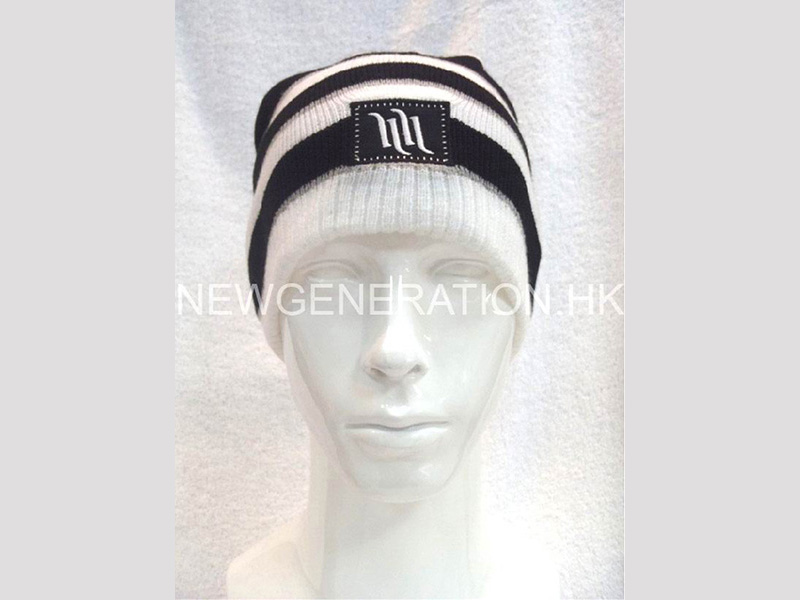
A complete beanie tech pack means factories don’t guess—they build exactly what you want, because every detail is locked down. That’s critical when working with a cap factory thousands of miles away. One mid-sized activewear brand learned this the hard way: last winter, they skipped detailed specs on a knit beanie, assuming it was too simple to need documentation. The result? Beanies arrived from Vietnam with wrong gauge tension and off-spec dye lots. Three weeks of delays, two sample rounds, and $17,000 in rework costs later, they realized simplicity isn’t an excuse for vagueness.
This year, they sent a full tech pack upfront—and got approved production units in half the time, zero revisions. Why? Because a structured beanie tech pack turns assumptions into instructions. It defines yarn type, stitch density, crown construction, and seam finishing in one source of truth. No more chasing down emails or decoding shorthand. For overseas manufacturers, that clarity means fewer errors, faster approvals, and less back-and-forth.
Simple doesn’t mean low risk
The idea that basic items like beanies don’t need detailed specs means brands accept avoidable risks, because even small variations in fiber blend or knitting tension change the final product. A 2024 Textile Intelligence study found garments with incomplete technical packages trigger 2–3 sampling rounds before approval. Each round adds 10–14 days and inflates costs by 15–25% due to shipping, labor, and lost sales during peak windows.
One brand using acrylic wool blend didn’t specify dyelot tolerance—so the factory used available stock. Result? Color variation exceeded AQL standards, and the entire batch failed QC. That’s not bad luck—it’s preventable. When specs are scattered across spreadsheets or buried in email threads, factories interpret intent. A proper beanie tech pack eliminates that gap by centralizing all requirements in one factory-friendly format.
Tech packs as command centers for cap factories
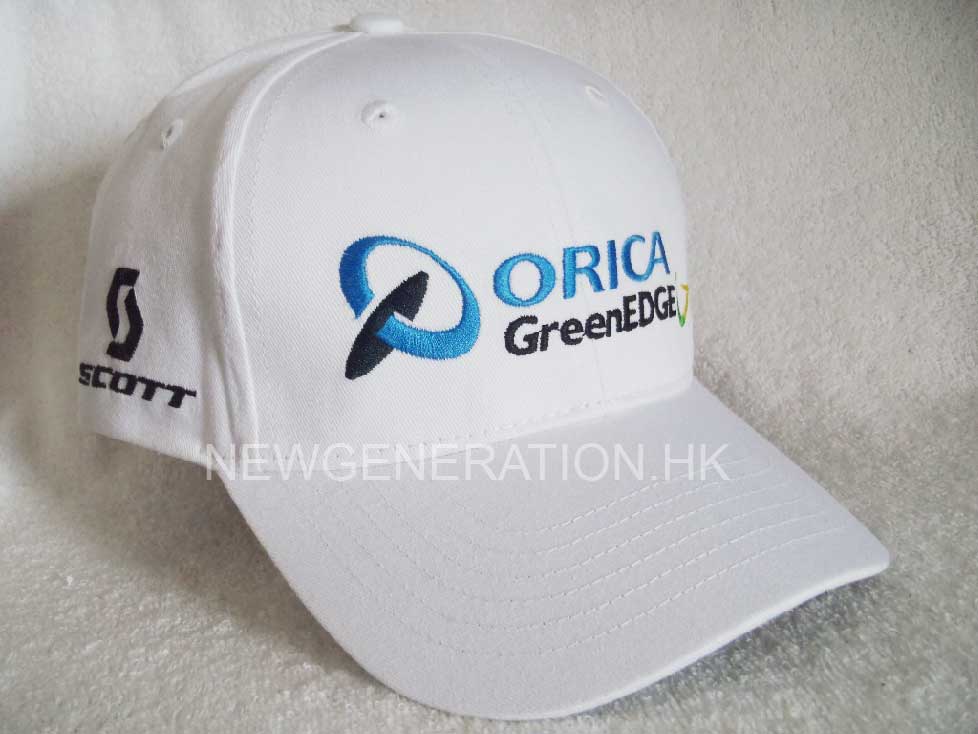
A real baseball cap tech pack does more than list measurements—it acts as a production blueprint tailored to cap factory workflows, because these facilities run on specialized circular knitting machines with fixed needle counts and tension limits. Without knowing those constraints upfront, brands risk designing pieces that can’t be made at scale. Defining yarn count (e.g., 2/28NM), ply count, and stitch density means the factory can confirm manufacturability before cutting a single thread.
But the biggest value comes from embedding operational context. For example, specifying whether circumference is measured flat or stretched prevents disputes over acceptable variance. Including wash formulas—not just temperature but cycle duration and chemical ratios—means colorfastness and hand feel stay consistent. One brand lost a shipment to pilling and shrinkage because wash steps weren’t documented. Now, they include full wash protocols in every tech pack, turning reactive QA into proactive quality engineering.
From transactional to collaborative partnerships
Clear documentation means cap manufacturers spend less time clarifying and more time optimizing, because they’re not decoding vague notes—they’re executing known standards. That shift builds trust. One brand reported their Vietnam factory began suggesting alternative yarns during material shortages after receiving standardized tech packs. Why? Because the factory finally understood the brand’s priorities: durability over cost, consistency over speed.
This kind of partnership only emerges when communication is precise and predictable. When a cap factory knows exactly what matters, they protect your quality instead of just filling orders. And the ROI compounds fast: avoiding two sampling rounds at $3,500 each saves $7,000 per SKU. Scale that to a 10-SKU winter line and you’re looking at $70,000 saved—not counting the value of hitting full-price sales during peak weeks.
Clarity unlocks speed and agility
Fewer samples and faster approvals mean your supply chain stops reacting and starts performing, because teams move from firefighting to forward planning. Brands using structured tech packs in 2025 saw approval cycles drop from 6–8 weeks to 3–4. That four-week gain lets them respond to trend shifts, fill inventory gaps, or test new colors without missing a beat.
Precision in documentation doesn’t just reduce errors—it redefines what’s possible in global sourcing. When everyone works from the same blueprint, the entire process accelerates. For caps, beanies, and beyond, the tech pack becomes the foundation of agility, quality, and trust. And in today’s market, where speed separates leaders from laggards, that document may be your strongest competitive lever.
#cap manufacturers china, #headwear manufacturers china, #cap factory