


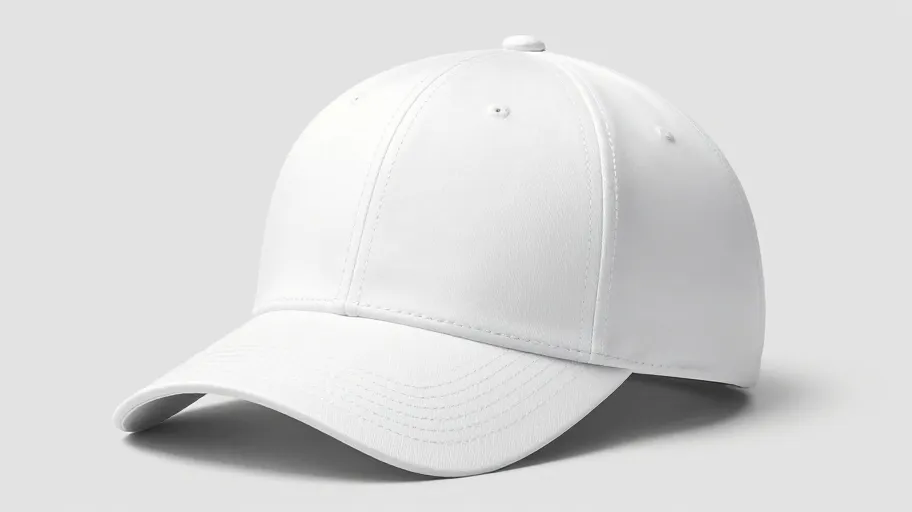
A complete tech pack slashes miscommunication between designers and cap manufacturers by over 65%. Learn how exact specs prevent costly errors in headwear production—before you order your next batch.
How a Tech Pack Saves You From Costly Mistakes
Imagine launching your spring collection only to discover that 8,000 custom baseball caps have arrived with brims curved too sharply and fabric 20% heavier than specified. They don’t stack properly, feel bulky, and can’t be sold as premium. A U.S.-based brand faced this in early 2025 when a factory in Vietnam treated vague notes as creative freedom. The result? An $180,000 write-off, delayed retail placement, and reputational damage during peak season. This wasn’t a manufacturing failure—it was a communication breakdown. And it’s exactly what a detailed tech pack prevents.
A tech pack isn’t just a document—it’s a binding technical contract between brand and factory. It turns subjective vision into measurable standards, eliminating guesswork. When done right, it acts as both a quality control blueprint and a risk mitigation tool. According to the APICAPS 2023 Global Sourcing Survey, brands using structured tech packs report up to 70% fewer post-approval revisions and 42% faster first-sample approval cycles. That efficiency means capturing Q2 revenue windows competitors miss due to rework delays.
Precise tolerances are the foundation. Saying “approx. 4.75 inches” for crown height leaves room for error. But “4.75” ± 0.125” sets a clear boundary. That quarter-inch leeway might seem minor, but across thousands of units, exceeding it leads to fit inconsistency—especially when paired with different sweatbands or closures. The customer impact? A shopper buying the same size twice gets two visibly different silhouettes, eroding trust in your brand.
Tolerances apply to brim length, front panel curvature, and seam allowances. One lifestyle brand found that just 3mm beyond spec in brim extension caused stacking misalignment in retail bins, triggering complaints from store managers. By tightening tolerance definitions and requiring factory sign-off, they reduced post-delivery adjustments by 65%. Clear tolerances mean fewer surprises, fewer corrections, and more predictable output.
Why Finishes Make or Break Your Brand Image
Finish specifications ensure your cap looks and feels like your brand promises. This includes explicit directives on stitching type (e.g., 501 lockstitch vs. 401 overlock), thread weight (Tex 40 vs. Tex 60), eyelet placement (measured from center front, not estimated), and wash effects (stone-washed for 45 minutes at 60°C, not “lightly distressed”). These details define the tactile experience. A heritage workwear brand learned this the hard way when unapproved chain-stitching was used on the back closure, giving caps a sportswear look that clashed with their rugged aesthetic. Rejection meant absorbing air freight costs to replace units before a major influencer campaign launch.
Finish specs also govern embellishments—embroidery density (stitches per inch), patch backing (fusible vs. sewn-on), and label orientation. One outdoor apparel company tied their finish standards directly to durability claims: “All stress points must use double-needle topstitching at 8 SPI minimum.” When factories followed this, field return rates for seam failure dropped by 31% year-over-year. Precise finish documentation doesn’t just protect brand image—it validates performance promises made to consumers.
Specifying finishes means consistent quality because factories know exactly what’s expected. That reduces sample rounds, cuts shipping costs, and frees up your team to focus on innovation instead of firefighting defects. For decision-makers, this translates to faster time-to-market and stronger ROI on each collection.
Why Sketches Fail in Global Production
Many emerging brands think a clean sketch or Photoshop mockup is enough for factory production. It’s not—especially in high-volume, cross-border sourcing. Visuals communicate style, not structure. They can’t convey whether the underbrim should use medium-density foam or if the front panel needs a 15° bias cut. Without numeric benchmarks, factories fall back on house standards, which vary widely even within the same industrial park. A 2024 supply chain benchmark found that 78% of first-sample discrepancies came from undefined technical parameters, not material issues.
The fix? Shift from descriptive to prescriptive communication. Replace “soft crown” with “unstructured front panels with 100gsm nonwoven interlining, extending 1.5” below crown seam.” Change “contrast stitching” to “two-row topstitch at 0.25” from edge, using Coats Dual Duty Poly Xtra in #8003 (PMS 19-4007 TPX). This level of detail lets factory engineers assess feasibility immediately, source correct materials, and flag constraints before cutting fabric. One fast-fashion retailer cut their design-to-sample time from 21 to 11 days after adopting standardized tech packs with measurement callouts and finish tables.
This efficiency compounds. Fewer revisions mean less sampling, lower shipping, and reduced QA labor. Teams spend less time fixing errors and more time optimizing future lines. Most importantly, accurate tech packs de-risk scaling. When splitting production across multiple factories, a single source of truth ensures uniformity. Without it, you’re not scaling—you’re gambling on consistency.
From Document to Strategic Partnership
A precision tech pack does more than prevent errors—it transforms your relationship with cap manufacturers. Factories that receive comprehensive specs are more likely to engage proactively, suggesting material alternatives or construction improvements that maintain design intent while boosting yield. This shifts the dynamic from transactional to strategic. One brand working on a sustainable beanie line received a factory proposal to switch from virgin to recycled polyester lining—without changing hand feel or durability. The change saved 18% in material costs and aligned with their ESG goals.
Treating your tech pack as a living document means updating it with feedback from each production run. Over time, this builds institutional knowledge that improves accuracy and speed. For executives, this means long-term cost control, brand reliability, and competitive differentiation. In today’s market, where speed and consistency separate leaders from followers, the tech pack is no longer optional. It’s the most powerful tool to turn design vision into scalable reality.
The $180,000 loss wasn’t just about faulty caps. It was about operating without a shared technical language. With a precision-driven tech pack, that same order could have been produced correctly the first time, delivered on schedule, and contributed directly to margin—not written off as waste. Ready to stop guessing and start producing with confidence? Build your next tech pack with numbers, not moods.
#cap manufacturers china, #headwear manufacturers china, #cap factory








