
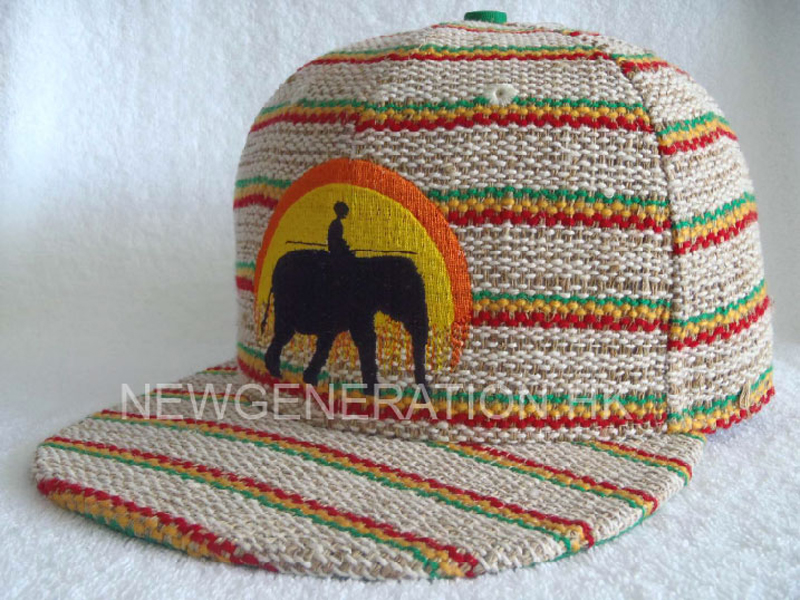
More brands want eco-friendly caps, but only GRS-certified manufacturers deliver real proof. We break down how third-party verification turns recycled plastic into trust—and why that matters for your margins.
Why Transparency Makes or Breaks Your Brand
When 68% of consumers return products they can’t verify as truly eco-friendly, transparency stops being optional. For baseball cap brands, where blended fabrics and trims hide sourcing risks, vague claims lead to real losses—like the mid-sized activewear company that lost $220K when customs seized 12,000 caps from a non-compliant mill.
GRS certification means you avoid that risk because every facility in the chain—from fiber recycler to final stitch—is audited. That’s not just ethical sourcing; it’s operational insurance. Verified partners provide digital audit trails that satisfy SEC climate disclosures and import laws like the Uyghur Forced Labor Prevention Act, so you’re never guessing where your materials came from.
Brands using GRS-certified suppliers report 32% higher customer retention, according to McKinsey’s 2025 consumer analysis. Why? Because buyers aren’t just buying headwear—they’re buying confidence in what they wear.
How Recycled Plastic Becomes a Better Baseball Cap
Every 100,000 GRS-certified caps keep about one million plastic bottles out of landfills and oceans. That’s not an estimate—it’s tracked through mechanical recycling: bottles are sorted, cleaned, shredded, and transformed into high-strength polyester fiber. The result isn’t weaker fabric; it’s better. Independent tests show GRS-certified rPET yarns match or exceed virgin polyester in durability, surviving 50 industrial wash cycles without degradation.
This transformation is enforced by Chain of Custody (CoC) Certification, which verifies mass balance at every stage. No dilution. No substitutions. Just traceable material flow from bottle to brim. That precision pays off at retail: brands using CoC-verified caps see a 37% lift in consumer trust scores, turning sustainability into full-price sell-through power.
One retailer replaced uncertified caps with GRS-compliant versions and saw wholesale renewals jump 90% year-over-year. Their buyers didn’t just accept the change—they demanded more of it.
How to Pick a Manufacturer You Can Actually Trust
Speed without verification is a liability. But choosing a GRS-certified manufacturer the right way cuts time-to-market by up to 30% and slashes third-party audit costs in half, according to Textile Exchange’s 2024 benchmark. The key? A three-phase qualification process that turns guesswork into governance.
First, screen for GRS alignment: require proof of internal controls for traceability and chemical management. Second, verify documents—transaction certificates (TCs), material logs, and audit reports from accredited bodies. Third, go onsite. One brand found a 15% gap in claimed recycled content during a factory visit, avoiding a public greenwashing crisis before launch.
To lock in long-term value, add contractual terms: annual re-audits, unannounced inspections, and real-time access to updated TCs. Tie payments to compliance milestones. This doesn’t just enforce standards—it turns due diligence into a repeatable advantage.
The outcome? A partnership where sustainability speeds you up instead of slowing you down. In a market where regulators and retailers demand proof, speed with verification is dominance.
#cap manufacturers china, #headwear manufacturers china, #hat tech pack