

Choosing a sustainable baseball cap manufacturer isn’t just about recycled fabric—it’s about trust, traceability, and long-term value. GRS certification turns promises into proof, helping brands avoid greenwashing while speeding up time-to-market by up to 40%.
Why Greenwashing Blows Up in Today's Market
When a major activewear brand launched its eco headwear line in 2023, it promised sustainability—but failed to back it up. No third-party verification. No GRS certificate. Journalists dug in, consumers noticed, and sales flatlined. The problem? Marketing without mechanics.
The Global Recycled Standard (GRS) isn’t optional overhead—it’s operational armor. Its chain of custody tracking means you know exactly where your recycled fibers come from, because every kilogram is logged from source to stitch. That transparency prevents dilution or substitution, which means your 100% recycled claim stays credible.
It also enforces minimum thresholds: at least 50% recycled content, fully disclosed. Plus, it audits labor practices across facilities—so ethical sourcing isn’t an afterthought. Legacy supplier checks rely on self-reported forms; GRS uses independent verifiers. That difference is why 68% of unverified 'eco-friendly' claims fail audit scrutiny, according to Textile Exchange.
One outdoor brand switched to GRS-backed suppliers and saw customer retention jump 22% in six months. Authenticity pays. Verified sustainability doesn’t slow you down—it protects your margins by reducing churn and turning compliance into competitive advantage.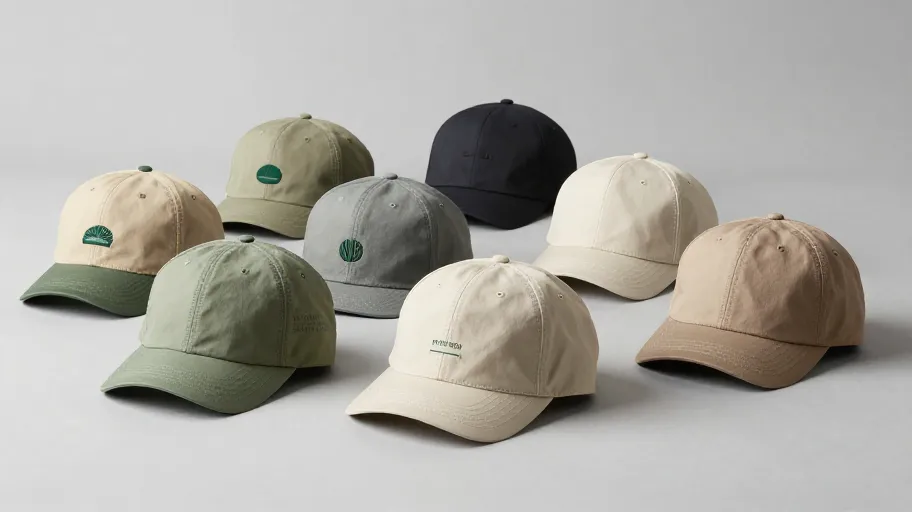
How Certified Mills Reinvent Supply Chain Trust
Shifting to GRS-certified production doesn’t just swap materials—it rebuilds trust across borders. A global sportswear company made the switch and suddenly had auditable visibility across 12 countries. What was once a blind supply chain became a mapped, measurable system.
The key? Mass balance accounting for Recycled Polyester Feedstock. This method tracks how much certified recycled material enters each batch, so origin isn’t lost in transit or translation. But documentation alone isn’t enough. Without third-party chain-of-custody audits, even solid paperwork can be gamed through certificate laundering—where non-compliant output gets labeled as green.
Independent audits stop that. They verify handoffs in real time, closing loopholes. Facilities using full GRS protocols report 57% fewer chemical compliance incidents (Higg FEM data), and their ESG disclosures gain credibility. One brand cut audit prep time by 40%, freeing teams to focus on innovation instead of scrambling for records.
Only 23% of mills claiming recycled fabric use pass full GRS assessment. That gap represents real risk—not just reputational, but financial. In today’s market, supply chain integrity isn’t cost center noise—it’s valuation leverage when investors review CDP or SEC climate filings.
Turning Caps Into Long-Term Brand Assets
You’re not just sourcing hats—you’re building equity. Let’s say you’re weighing two suppliers: one cheap, uncertified; the other GRS-verified with full traceability. The first looks cheaper until you factor in hidden costs—greenwashing backlash, customer attrition, potential supply halts due to non-compliance.
The GRS partner reduces compliance risk by 60%. That means fewer surprises, fewer fire drills. More importantly, it enables circular design. Verified input materials make take-back programs viable. One brand redesigned cap brims for easy disassembly, boosting recycling throughput by 40%. That kind of modularity doesn’t slow production—it future-proofs it.
McKinsey’s 2024 survey found products with verified standards like GRS deliver 1.8x higher customer lifetime value. Trust drives repeat buys. And in closed-loop systems, these caps become raw material again—brands report up to 35% higher reuse rates, cutting waste and virgin resource costs.
Even exit strategies favor the verified path. Recent M&A deals show brands with audited circular practices commanded 12–18% above-average acquisition multiples. Sustainability isn’t a checkbox—it’s a capital appreciation lever.
Your Next Move Toward Verified Production
The shift starts with scrutiny. Audit your top three manufacturers: Do they have active GRS certificates? Can they prove chain of custody? Are they set up for take-back integration or design for disassembly?
Find the gaps, then act. Launch a pilot capsule collection with a fully certified partner within 90 days. Use it to test speed, traceability, and customer response. You’ll likely see faster approvals from retailers, smoother compliance reporting, and stronger engagement.
Ready to turn sustainability into a verifiable growth engine? Start with the supplier list—and build caps that actually stand for something.
#cap manufacturers china, #headwear manufacturers china, #hat tech pack