
A free hat sample typically includes a pre-made stock item intended for quality assessment of materials and craftsmanship, or a custom prototype where the sample fee is later reimbursed upon placing a bulk order. To manage your budget effectively, you must verify if "free" applies to the product only or if it extends to shipping and custom branding before you commit.
The "Hidden Cost" of Free Samples
For new brands and price-sensitive buyers, the term "free sample" is often the most attractive entry point when sourcing from China. However, in B2B manufacturing, "free" rarely means "no cost involved." It usually signifies a specific trade-off. Suppliers may offer a stock cap for free to prove their baseline quality, but they will likely charge for custom logo application, specific color dyeing, or express shipping.
To navigate this, procurement professionals should apply the Pre-Production Verification Protocol (PPVP). This framework ensures that the sample serves its true purpose: verifying that the factory can meet your specifications without requiring a full bulk commitment. The protocol focuses on three pillars: Scope Definition, Cost Transparency, and Physical Verification.
Decoding the Sample Offer
When you request free hats samples, you are typically entering one of three distinct categories. Understanding the difference is vital to avoid miscommunication.
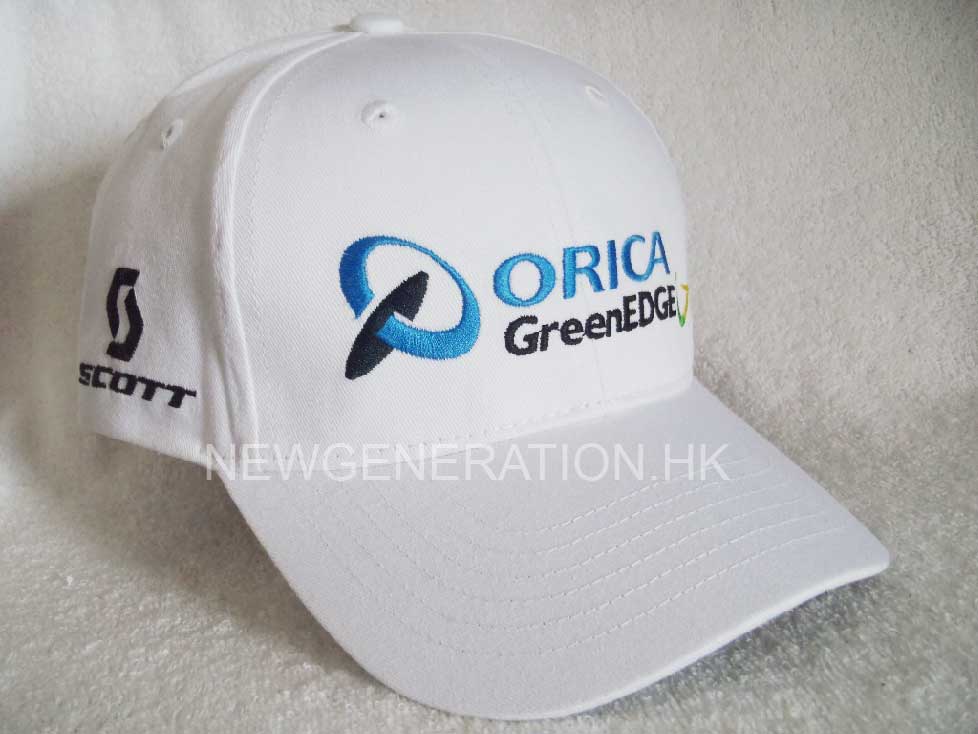
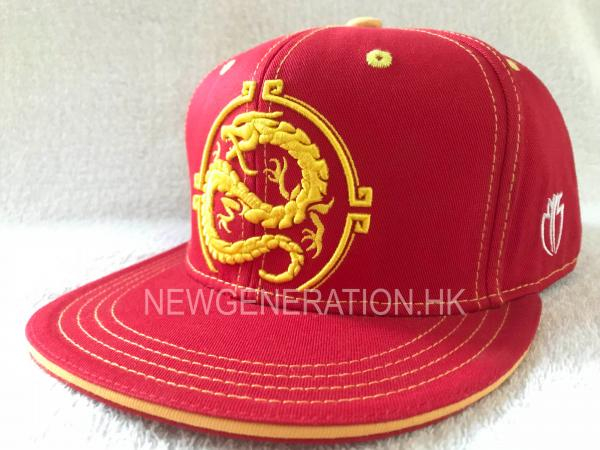
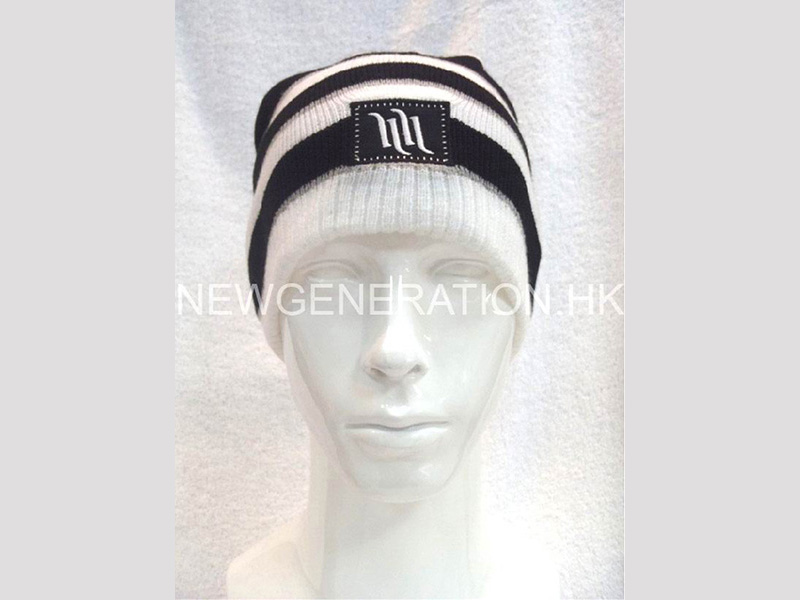
- Stock Samples: These are pre-made hats from the supplier’s existing catalog. They usually feature the supplier’s own logo or no logo at all. They are free (excluding shipping) and allow you to check fabric feel, stitching quality, and general sizing.
- Virtual Samples: These are digital mockups created by the design team. They are free and useful for checking logo placement and color combinations, but they offer zero data on physical quality.
- Pre-Production Samples (PPS): These are custom-made to your exact specifications. While some suppliers refund the cost of these after the order is confirmed, they are rarely "free" upfront. They involve opening molds, buying specific yarns, and setting up embroidery machines.
Sample Type Decision Matrix
Before emailing a supplier, consult this table to determine which sample type aligns with your current stage of sourcing.
| Sample Type | Typical Cost Structure | Customization Included | Best Use Case |
|---|---|---|---|
| Stock Sample | Product cost is often waived; Buyer pays shipping. | None (usually comes with factory logo). | Initial vetting of factory quality and material hand-feel. |
| Virtual Sample | Free. | Full logo and color customization (visual only). | Pitching to investors or internal marketing teams before production. |
| Pre-Production Sample | Fee charged upfront; Potential refund on bulk order. | Full customization (fabric, color, logo, sizing). | Final approval before mass production begins. |
5 Critical Approval Questions
To avoid unexpected invoices and ensure the sample matches your needs, ask these five questions before the supplier ships the item.
- Is the sample cost refundable, and what is the trigger?
Clarify if the cost is deducted from the final invoice or if a refund is issued after the bulk order is paid. Request this condition in writing on the proforma invoice.
- Does the "free" offer include my custom logo?
Many suppliers offer free stock samples but charge for the setup and embroidery of your logo. Verify if the sample provided will be a "dummy" with a placeholder or your actual branding.
- What are the shipping terms and who pays the courier?
"Free product" does not mean "free delivery." Ask if the shipper uses a freight collect account (yours) or if they will prepay and bill you. Confirm which carrier is used to estimate local handling fees.
- Can you verify the fabric composition and weight?
Don't assume "cotton" means high quality. Ask for a specification sheet detailing the GSM (grams per square meter) or yarn count so you can compare it against your standards.
- What is the tolerance for color matching?
If you are requesting a specific Pantone color, ask if the sample provided is a dip-match or a lab-dip. Understanding the potential variance before you see the sample prevents rejection later.
Physical Verification: What to Check
Once the sample arrives, your role shifts from sourcing manager to quality control inspector. Do not simply glance at the logo; inspect the construction.
- Stitch Density: Check the embroidery. Are the stitches tight enough that the fabric backing doesn't show through? Loose stitching often leads to unraveling during consumer use.
- Fabric Consistency: Rub the fabric vigorously to see if it pills. Check if the material feels stiff (often a sign of heavy starching to mask poor quality) or soft.
- Sweatband Adhesion: Peel back the sweatband slightly. Is it glued securely, or does it detach easily? This is a common failure point in lower-cost headwear.
- Shaping: Crush the cap in your hand and let it go. Does it regain its shape, or does it look crushed? Good structural integrity is essential for retail presentation.
Frequently Asked Questions
Why do suppliers charge for samples if they are "free"? The term "free" in manufacturing usually refers to the product being provided at no margin. However, suppliers incur costs for raw materials, machine setup, and labor for custom items. A "free sample" offer often implies the supplier absorbs these costs only as an investment in a future long-term partnership, usually reimbursing the cost once a bulk order is confirmed.
Can I get a custom logo on a free sample? Generally, no. Free samples are almost exclusively stock items used to demonstrate baseline quality. To see your specific logo on a cap, most factories require a paid pre-production run or a sample fee to cover the digitization and setup of the embroidery machines.
How do I approve a sample remotely? If you cannot visit the factory in Shenzhen, request a "video inspection." Ask the supplier to send a short video clip showing the sample from multiple angles, focusing on the stitching detail and the sweatband interior. Combine this with high-resolution photos of any physical defects before giving your approval.
What happens if the sample differs from the bulk production? This is a common risk. To mitigate it, retain the approved sample (known as the "Golden Sample"). When bulk production is ready, request a pre-shipment inspection and compare the mass-produced units against your Golden Sample. Ensure your contract specifies that the bulk goods must match the approved sample within a defined tolerance.
Does requesting a sample commit me to an order? No, requesting a sample is a standard part of the procurement process and does not legally obligate you to place an order. However, maintaining professional communication and providing feedback on the sample is essential etiquette to keep the supply channel open for future business.
Conclusion
Sourcing free hats samples is a strategic step in mitigating risk, but it requires a clear understanding of what is included. By distinguishing between stock and custom samples, and by rigorously applying the Pre-Production Verification Protocol, you can avoid hidden costs and ensure the final product meets your brand's standards.
[Download the Sample Confirmation Checklist] Ensure you don't miss a single detail. Download our comprehensive Sample Confirmation Checklist to guide your next conversation with manufacturers.
[Contact New Generation] Ready to start your project? Contact New Generation to discuss your sampling requirements and verify our capabilities against your checklist.