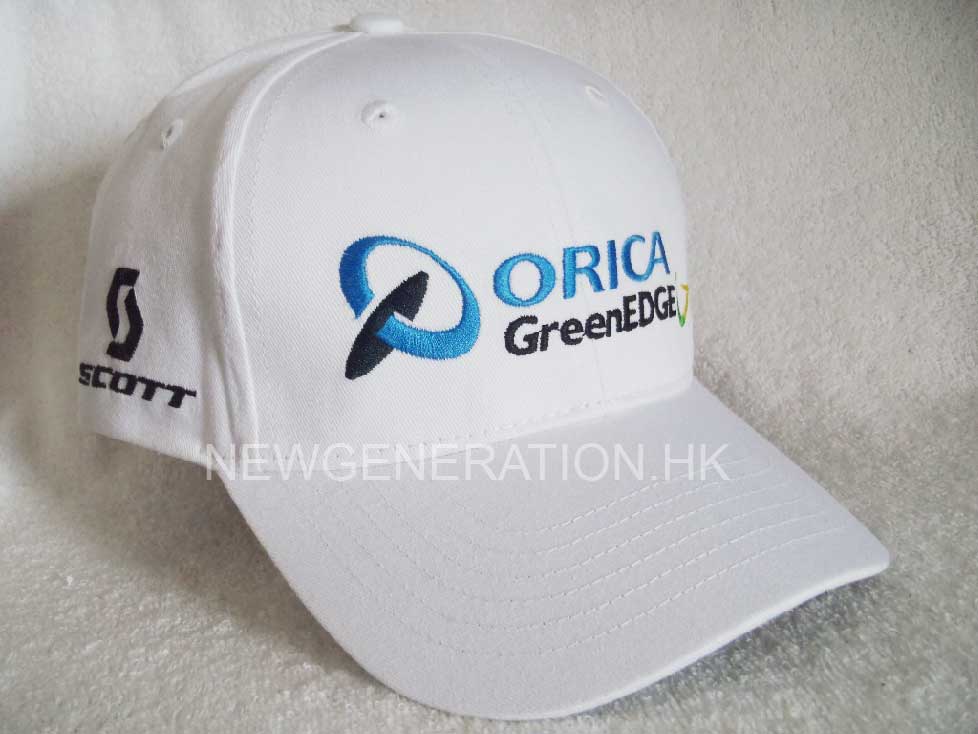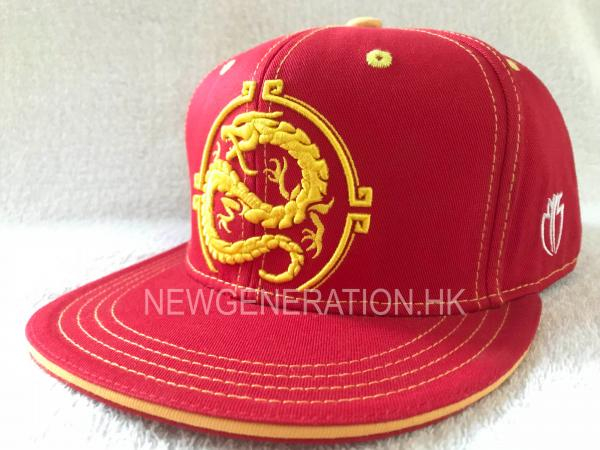


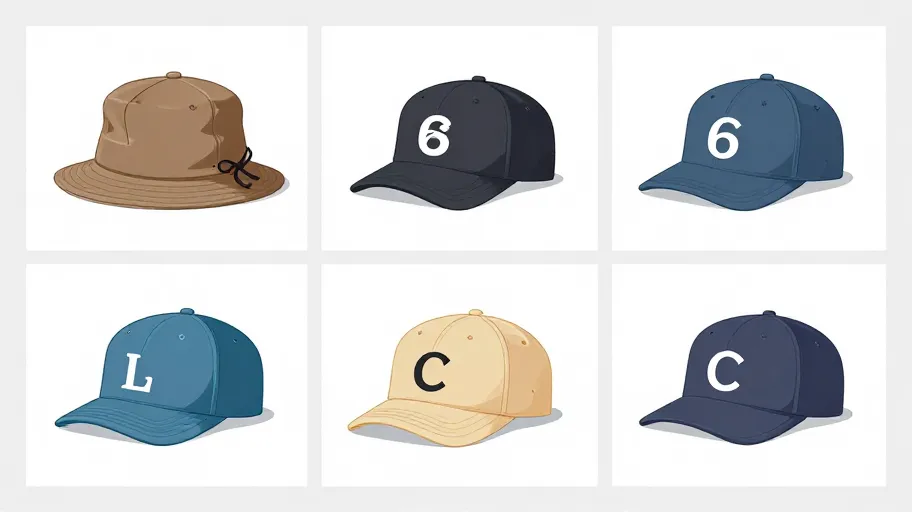
Choosing between a 5-panel and 6-panel cap is fundamentally a decision about logo presentation and desired profile. The 5-panel offers a seamless canvas ideal for large, centralized prints, while the 6-panel provides a structured, classic fit with a center seam that suits embroidery better. For brand buyers, selecting the right construction ensures the final product aligns with visual identity requirements without compromising structural integrity.
Introduction: Why Panel Construction Matters in B2B Sourcing
For brand buyers sourcing custom headwear, the cap’s construction is the foundation of product quality. It dictates not only the silhouette and fit but, more critically, how a brand's logo appears to the end consumer. When sourcing from OEM/ODM manufacturers in China, understanding the nuances between a 5-panel and a 6-panel cap is essential for creating accurate tech packs and avoiding production errors.
This guide is designed to move beyond basic aesthetics. It examines the engineering differences between these two popular styles to help procurement teams and product managers make informed decisions that align with their decoration methods and brand positioning.
The Structural-Fit Sourcing Matrix
To evaluate which cap suits your specific project, we utilize the Structural-Fit Sourcing Matrix. This framework assesses headwear based on two primary vectors: Logo Real Estate and Crown Architecture.
- Logo Real Estate: Does the brand logo require a continuous, unbroken surface (large screen prints or sublimation), or can it accommodate a vertical seam down the center (embroidery or woven labels)?
- Crown Architecture: Does the brand require a high-profile, structured streetwear look, or a lower-profile, unstructured vintage fit?
By mapping your project requirements against these two vectors, you can determine the optimal construction before engaging with a supplier.
The 5-Panel Cap: The Seamless Canvas
The 5-panel cap is constructed from five distinct pieces of fabric: two side panels, two rear panels, and one single front panel. This absence of a center seam is its defining characteristic.
Construction and Aesthetic Because the front is a single piece of material, the 5-panel cap typically features a smoother, uninterrupted front surface. This style is historically associated with "trucker" hats and cycling caps but has been adopted by modern streetwear brands for its clean, minimalist look. The crown can be either structured (with buckram) to maintain a high profile, or unstructured for a slouchier, vintage drape.
Logo Compatibility The primary advantage of the 5-panel is the uninterrupted front panel. This makes it the superior choice for:
- Large format screen printing: Designs that bleed edge-to-edge.
- Sublimation/All-over printing: Requires a flat surface to avoid distortion.
- Oversized embroidery: While possible, heavy stitching on a single panel can cause the fabric to pucker, so design density must be managed carefully.
Sourcing Note When sourcing 5-panel caps, verify the reinforcement of the front panel. If the material is too light and the logo is heavy, the cap may warp. Ask the manufacturer about the weight of the front panel fabric relative to the decoration method.
The 6-Panel Cap: The Industry Standard
The 6-panel cap consists of six triangular sections: two side panels, two rear panels, and two front panels joined by a center seam. This is the most ubiquitous construction in headwear, seen in everything from baseball caps to corporate promotional merchandise.
Construction and Aesthetic The center seam creates a distinct line down the middle of the forehead. This construction naturally lends itself to a more symmetrical, rounded shape. 6-panels are often associated with the "Dad Hat" trend when unstructured, or the classic pro-style cap when structured with a hard buckram front.
Logo Compatibility The center seam presents a unique constraint and opportunity. It effectively bisects the front area.
- Embroidery: Standard for 6-panels. The seam can actually add depth to the design. However, designs must be centered carefully to avoid looking off-kilter.
- Centered Prints: Large screen prints that cross the center seam can crack or distort along the stitch line over time. Buyers must avoid placing critical design elements directly on the seam.
- Left-Chest Logos: The 6-panel is ideal for offset logos (woven labels or embroidery) placed to the left of the seam, leaving the center clean.
Decision Table: 5-Panel vs 6-Panel Cap
To assist in the sourcing process, the following table contrasts the key specifications relevant to procurement and design.
| Feature | 5-Panel Cap | 6-Panel Cap |
|---|---|---|
| Front Construction | Single continuous panel (no seam). | Two panels joined by a center seam. |
| Primary Aesthetic | Modern, streetwear, minimalist, outdoor. | Classic, athletic, traditional, corporate. |
| Best for Large Prints | Yes. Uninterrupted surface allows edge-to-edge printing. | No. Center seam may cause print cracking. |
| Best for Centered Embroidery | Good. Provided fabric tension is controlled. | Good. Standard industry application. |
| Best for Offset Logos | Possible, but less common. | Excellent. Left-chest placement utilizes the seam as a border. |
| Crown Shape | Often higher profile in structured versions; can be shallow. | Naturally rounded, higher profile common in structured styles. |
| Visual Distraction | Clean front; focus is entirely on the graphic. | Center seam draws the eye; must be accounted for in design. |
Critical Sourcing Variables: Beyond the Panels
When moving from design to production with a manufacturer, the panel count is just the starting point. To ensure the final product meets quality standards, buyers must specify the following variables in their tech packs.
1. Profile and Structure The terms "high profile" and "low profile" refer to the slope of the crown.
- Structured: Uses stiff buckram or fused fabric inside the front panels to hold the shape. This is common for 6-panel pro-style caps but also used in 5-panels.
- Unstructured: The front panel collapses without support. Popular for vintage-style 6-panels ("Dad hats").
- Action: Confirm with the supplier if the structure is fused or sewn-in, as this affects the stiffness of the cap upon arrival.
2. Closure Mechanisms While the front panels define the look, the closure defines the fit.
- Snapback: Plastic adjustable tabs. Common in high-profile 5-panels.
- Buckle (Metal or Plastic): Adds a premium feel.
- Velcro/Strap: Often found on unstructured 6-panels.
- Fitted: No closure (sizing requires precise head measurement).
- Action: Verify the availability of specific closure hardware, as some may require custom sourcing.
3. Material Selection The fabric interacts differently with 5-panel vs. 6-panel construction.
- Cotton Twill: Durable and structured, holds embroidery well.
- Wool Blend: Classic feel, often used for 6-panel heritage styles.
- Polyester/Mesh: Common for 5-panel trucker caps (breathability).
- Action: Request swatches to see how the fabric handles the center seam (in 6-panels) or the single panel tension (in 5-panels).
Approval Questions for Your Manufacturer
To mitigate risk and ensure clarity, include these specific questions in your RFQ (Request for Quotation) or pre-production meeting:
- For 5-Panel: "How do you manage fabric tension on the single front panel to prevent warping after large-format embroidery or printing?"
- For 6-Panel: "Can you provide a digital mock-up showing how my logo width aligns with the center seam width?"
- General: "What is the recommended maximum logo height for this specific crown profile to avoid hitting the visor?"
- Sampling: "Will the pre-production sample use the exact same fabric weight and buckram stiffness as the mass production order?"
Frequently Asked Questions (FAQ)
Can a large logo be placed over the center seam of a 6-panel cap? It is technically possible, but it is generally discouraged. Over time, the stitching on the seam may cause the ink to crack or the embroidery design to look distorted. If a large logo is required, a 5-panel cap is the safer structural choice.
Which cap style offers a better fit for larger head sizes? Fit is determined by the circumference and the closure mechanism rather than the number of panels. However, unstructured 6-panels often drape more comfortably on larger heads, while high-structured 5-panels may sit higher. Always consult the manufacturer's size chart.
Are 5-panel caps more expensive to produce than 6-panels? Cost is determined by material, decoration complexity, and order quantity, not solely by panel count. While the single large front panel of a 5-cap might require different fabric cutting efficiency, the price difference is negligible. You should request a project-specific quote to compare costs accurately.
Which style is better for streetwear brands? Streetwear trends heavily favor the 5-panel cap (specifically the "camp cap" or "trucker" style) due to the seamless front which allows for bold, uninterrupted graphic prints. However, 6-panels are seeing a resurgence in retro streetwear.
How does the visor attach to the different panels? In both constructions, the visor is typically attached between the front panel(s) and the bottom band. On a 6-panel, the seam extends down into the visor attachment point; on a 5-panel, the attachment is cleaner. Ask the supplier about the "visoring" method (sewn vs. sandwich) to ensure it meets your durability standards.
Ready to Select Your Style?
Choosing the right cap construction is the first step in a successful production run. Ensure your design specs align with the structural limitations of your chosen style.
[CTA: Download the Headwear Style Selection Sheet]
Use this comprehensive spec sheet to document your panel choice, profile, and decoration requirements before sending your tech pack to the factory.
[Low-friction CTA: Download the Pre-Production Quality Checklist]
A quick reference guide to verify seams, stitching, and logo placement before approving your samples.