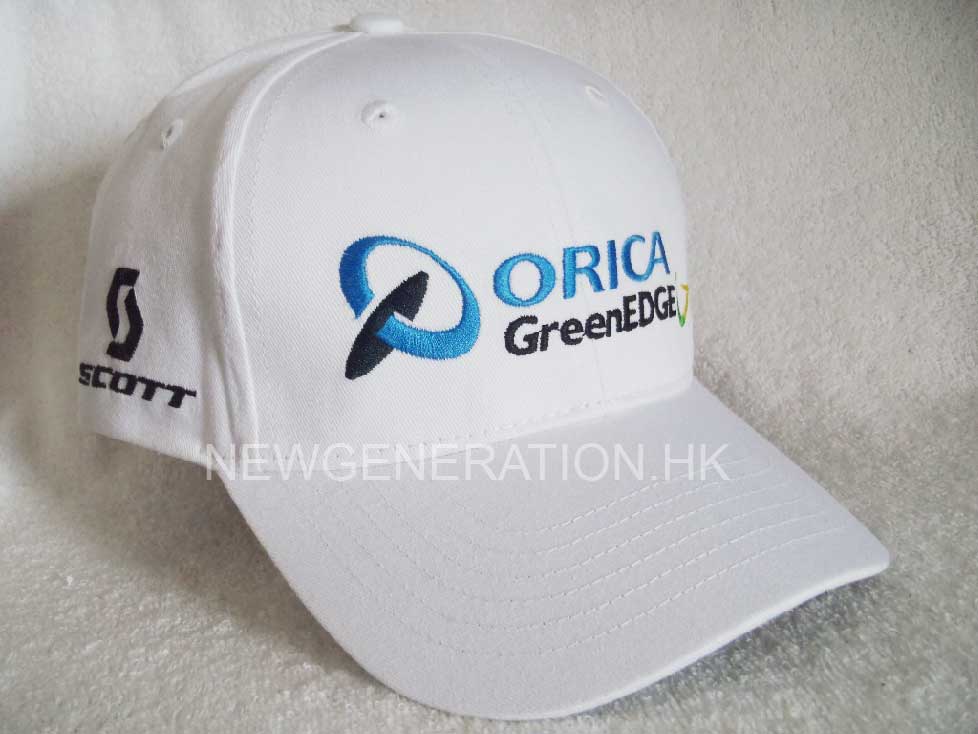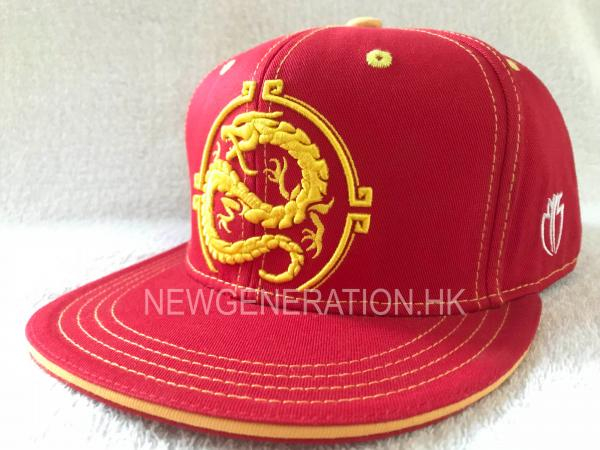


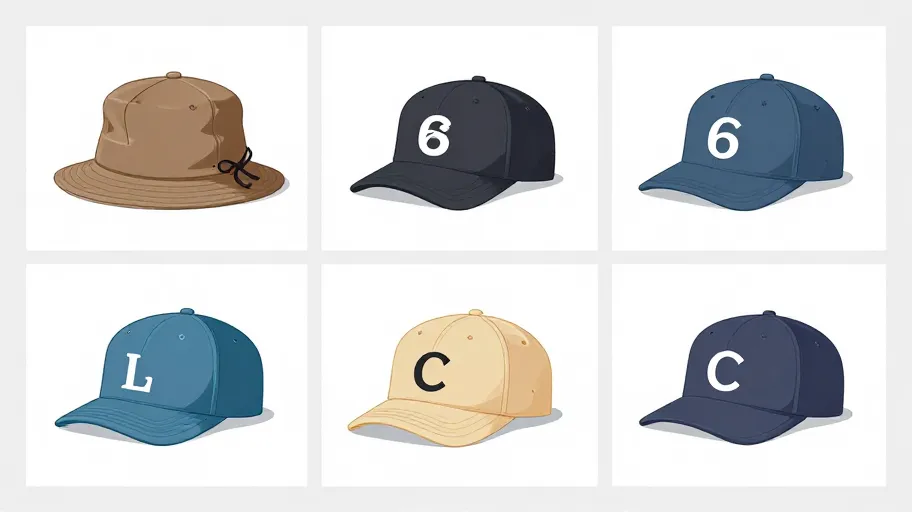
Choosing between a 5-panel and a 6-panel cap depends primarily on your logo design and intended brand aesthetic. For brands prioritizing large, seamless center prints, the 5-panel is superior. Conversely, the 6-panel offers a classic, structured fit ideal for embroidery-centric branding. Selecting the wrong structure risks compromising your artwork’s visibility or distorting the cap's profile.
Understanding the Structural Anatomy
For brand buyers, the distinction between these two configurations is not merely aesthetic; it is a technical decision that impacts decoration methodology and fit.
A 5-panel cap consists of five triangular pieces of fabric joined together: two side panels, two rear panels, and one large front panel. Crucially, the front panel is a single, continuous piece of fabric without a center seam. This creates a wide, unbroken canvas.
A 6-panel cap is constructed from six panels: two sides, two rear, and two front panels joined by a center seam running down the middle of the forehead. This seam provides structure and a more defined, geometric shape but creates a physical interruption in the decoration area.
The Crown-Continuity-Construction (3C) Framework
To standardize your sourcing decision, we utilize the Crown-Continuity-Construction (3C) Framework. This helps buyers evaluate the cap based on three critical vectors rather than just visual preference.
1. Crown Profile (Shape and Silhouette)
The crown profile dictates the head's silhouette.
- 5-Panel: Typically associated with a lower, more rounded profile. It often lacks the stiff buckram support found in the front of a 6-panel, resulting in a softer, more casual "drape" that conforms closely to the head. This is often favored in streetwear and vintage looks.
- 6-Panel: Usually features a structured front due to the buckram (stiffening fabric) layered between the front panels. This maintains a high, upright shape even when not being worn, offering a premium retail presence often required for corporate or team sports headwear.
2. Continuity (Decoration Real Estate)
Continuity refers to the uninterrupted surface area available for branding.
- 5-Panel: The defining feature is the "billboard" effect. Without a center seam, this cap accommodates full-frontal screen printing, sublimation, or large-scale embroidery designs that span the entire width of the forehead.
- 6-Panel: The center seam presents a "dead zone" for certain techniques. Screen printing directly over a seam can crack or peel; embroidery over the seam can cause the design to pucker or become unreadable. Brands using 6-panels must design logos that specifically avoid the center crest or wrap intentionally around the seam.
3. Construction (Fabric Utilization)
Construction involves how the fabric is cut and sewn, influencing the final weight and breathability.
- 5-Panel: Fewer seams can reduce bulk, but the large front panel may require a heavier gauge fabric to prevent sagging.
- 6-Panel: The additional seam allows for more complex color blocking, as different fabrics or colors can be used for the left and right front panels.
Sourcing Decision Table
Use this table to align your brand requirements with the technical specification.
| Feature | 5-Panel Cap | 6-Panel Cap |
|---|---|---|
| Primary Decoration | Large format printing, seamless logos. | Left-chest embroidery, centered embroidery avoiding seam. |
| Crown Structure | Often unstructured or low-profile; relaxed fit. | Often structured (front buckram); high-profile; robust shape. |
| Visual Aesthetic | Casual, vintage, skate, streetwear. | Classic, athletic, corporate, professional team. |
| Design Limitation | Not ideal for designs that require a defined center crease. | Not ideal for wide horizontal prints that cross the seam. |
| Color Blocking | Limited to side/rear panels. | High potential (split front colors). |
Strategic Application for Brand Buyers
When drafting your tech pack or purchase order, consider the end-user environment.
Opt for the 5-Panel if: Your brand identity relies on bold, graphic-heavy visuals. If your artwork is a rectangular crest, a horizontal text lockup, or an intricate illustration that cannot be bisected, the 5-panel eliminates the risk of the "valley" effect created by a 6-panel seam. It is the preferred choice for fashion collabs and lifestyle brands where the cap serves as a mobile poster.
Opt for the 6-Panel if: Your priority is a traditional, polished look. For uniforms, security staffing, or premium corporate gifts, the 6-panel generally conveys a more formal and structured appearance. If your logo is a classic crest centered above the brow, the 6-panel provides the symmetrical framing that enhances traditional embroidery.
Pre-Production Approval Questions
Before approving the final sample or signing off on mass production, submit the following questions to your manufacturer to ensure alignment with the 3C Framework:
- Front Fabric Gauge: What is the fabric weight (GSM) of the front panel? Will a 5-panel front panel require additional interlining to maintain shape without a center seam?
- Seam Alignment: For the 6-panel option, can you verify that the center seam is precisely aligned with the visor to avoid asymmetry?
- Print Compatibility: If we select a 6-panel for printing, can you provide a sample showing how the ink settles into the seam groove to check for cracking?
- Profile Consistency: Does the unstructured 5-panel maintain a consistent crown shape across different head sizes, or does it collapse on larger sizes?
- Buckram Stiffness: For the structured 6-panel, is the buckram fusible or sewn-in? This affects washability and long-term shape retention.
Frequently Asked Questions
Does a 5-panel cap fit differently than a 6-panel? Generally, a 5-panel cap offers a closer, more contoured fit similar to a fitted bucket hat or a vintage cap. A 6-panel, especially when structured, sits higher on the forehead and provides a more roomy feel due to the rigid front panel.
Can I embroider over the center seam of a 6-panel cap? It is technically possible but carries risks. Embroidering over a seam can cause the design to "tunnel" or pucker, making the text or logo uneven. It is best to keep the embroidery width smaller than the panel width or position it carefully.
Which style offers better color blocking options? The 6-panel offers superior color blocking. Because the front is divided into two separate panels, manufacturers can use two different colors or fabrics for the left and right front sides. A 5-panel is limited to a single color for the entire front "billboard" area.
Is the 5-panel strictly for streetwear? While dominant in streetwear, the 5-panel is increasingly used in premium outdoor and golf wear where a lower profile and less structured fit are desired for comfort under headgear or in active settings.
How does the visor attachment differ? The visor attachment is generally standard across both types (typically sewn between the front panels), but the visual flow differs. On a 5-panel, the visor often flows continuously into the single front panel, whereas on a 6-panel, the visor is framed by the two separate front panels.
Conclusion
The choice between a 5-panel and a 6-panel cap should not be a guessing game. By applying the Crown-Continuity-Construction (3C) Framework, you can objectively assess which structure preserves your brand's artwork integrity and meets your market's aesthetic expectations. Remember that the "best" cap is the one that technically supports your specific decoration method and fit profile.
[CTA Primary]
Download the Headwear Style Selection Sheet Map your logo dimensions and decoration method to the perfect cap structure. Use our internal checklist to pre-qualify your designs before requesting a quote.
[CTA Secondary]
Pre-Production Checklist: 5 Points to Verify Before Signing Off Ensure your cap order meets quality standards by confirming these critical specs with your account manager.