


5-Panel vs 6-Panel Caps: A Sourcing Guide for Brand Buyers
A 5-panel cap is built from five fabric panels joined so that the front is a single, seamless piece. A 6-panel cap uses six panels, meaning the front is split by a centre seam running from the crown button to the visor. That one construction difference drives your decoration options, the crown silhouette, and the specification language you send your factory — so choose by decoration method first, not by trend.
What the panel count actually changes
Panel count is not a style name. It is a sewing pattern: every panel is a cut of fabric stitched to its neighbour, and the number of panels determines where seams fall on the finished cap.
The difference that matters most to brand buyers is the front-panel configuration:
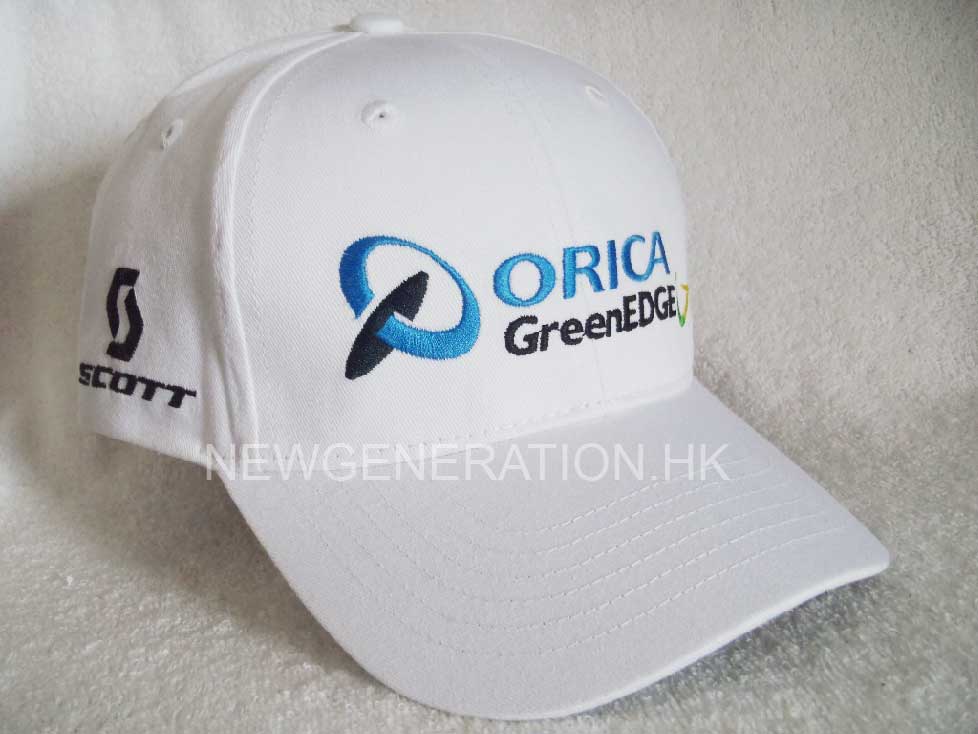
- 5-panel cap — one continuous front panel. The decoration area is uninterrupted, which is why this construction is commonly chosen for bold front logos, woven or PVC patches, screen prints, and heat-transfer graphics.
- 6-panel cap — two front panels meet at a centre seam. The seam creates a more structured, rounded crown but also runs directly across the most common decoration zone.
Everything else — visor shape, closure type, eyelets, interior taping, fabric — can be specified independently of panel count. Do not assume that choosing "5-panel" or "6-panel" locks in any other feature.
The PACE framework: a structured way to choose
To avoid deciding on instinct, work through four lenses in order. We call this the PACE framework — Profile, Application, Construction, Economics.
P — Profile: what silhouette does your brand need?
The 5-panel construction generally produces a lower, flatter crown because the single front panel sits closer to the forehead. The 6-panel construction, with its centre seam and additional panel geometry, tends to create a higher, more rounded dome.
These are tendencies, not guarantees. The final silhouette also depends on the buckram (the internal lining that stiffens the crown), the fabric weight, and whether the cap is structured or unstructured. When profile matters to your collection — for example, a fashion-forward streetwear line versus a clean corporate uniform — request a physical sample of both constructions in your target fabric before approving the tech pack. A digital rendering will not tell you how the crown holds its shape in real life.
A — Application: what decoration method are you using?
This is the lens that should drive most sourcing decisions, and it is the one buyers most often skip.
| Decoration method | 5-panel fit | 6-panel fit | What to confirm |
|---|---|---|---|
| Flat embroidery, large front logo | Strong — uninterrupted area | The centre seam may sit beneath the logo | Check stitch density across any seam |
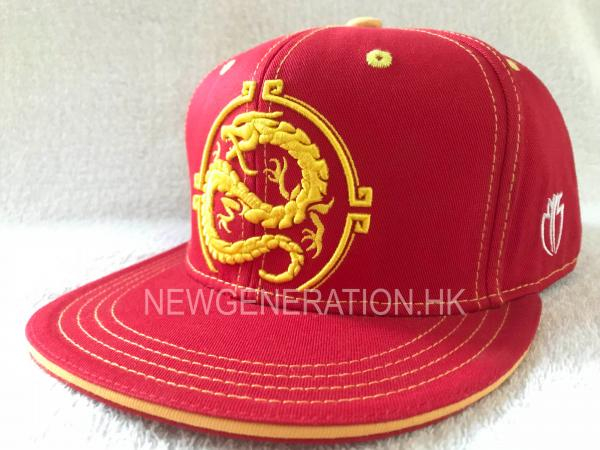
| 3D / puff embroidery | Strong — flat backing surface | Workable, but the seam can affect adhesion | Test on a physical sample |
| Woven or PVC patch | Strong | Possible if the patch covers or avoids the seam | Measure the patch against the seam line |
| Screen print / heat transfer | Strong — smooth, flat surface | The seam can interrupt print continuity | Confirm artwork dimensions against seam placement |
| Side, back, or full-wrap decoration | Either works | Either works | Decoration is not on the front seam |
The rule of thumb: if your decoration crosses the centre-front zone, the 5-panel's seamless front panel reduces risk. If your logo is small, sits above the seam, or is placed on the side or back, the 6-panel seam is less likely to cause problems.
C — Construction: what structural details should you specify?
Panel count interacts with several construction choices that should each appear as a line item in your specification sheet:
- Crown structure — structured (buckram-lined, holds its shape on a shelf) vs unstructured (soft, collapses when not worn). Both panel counts can be either.
- Visor / brim — curved or flat, and the internal material (plastic or cardboard). Independent of panel count.
- Closure — snapback, strapback, fitted, or hook-and-loop. Available on both constructions.
- Interior taping — sweatband taping and seam taping affect interior appearance and perceived quality.
- Eyelets — sewn or metal grommets, included for ventilation. A model-level detail, not a panel-count detail.
None of these are determined by whether the cap is 5-panel or 6-panel. List each one explicitly so the factory quotes against your actual requirement, not an assumption.
E — Economics: how does panel count affect production?
More panels mean more cutting, more seam joins, and marginally more sewing time per unit. Fewer panels can simplify cutting yield but may change how fabric is laid out on the marker. These are production realities, not dramatic cost drivers — but they are worth understanding before you compare quotations.
When you request pricing, ask for an itemised comparison if you are undecided between constructions. Document:
- Fabric consumption per construction
- Number of seam joins and sewing complexity
- Any construction-specific remarks from the factory
This keeps the conversation grounded in your factory's actual process rather than generalised assumptions about what a cap "should" cost.
Decision table: 5-panel vs 6-panel at a glance
| Dimension | 5-panel cap | 6-panel cap |
|---|---|---|
| Front panel | Single, seamless panel | Two panels joined by centre seam |
| Typical crown profile | Generally lower, flatter | Generally higher, more rounded |
| Decoration fit | Large front logos, patches, prints | Smaller centred logos; side or back decoration |
| Seam-related decoration risk | Low — no front seam | Moderate — centre seam crosses decoration zone |
| Common market association | Streetwear, lifestyle, promotional | Classic baseball, corporate, sport |
| Structure flexibility | Can be structured or unstructured | Can be structured or unstructured |
| Closure, visor, fabric | Independently specifiable | Independently specifiable |
Use this table as a starting point, then narrow down with the approval questions below.
Approval questions: confirm before you commit
Before approving a tech pack or placing a production order, work through this checklist with your manufacturer:
| Checklist item | |
|---|---|
| ☐ | Panel count verified — the factory has confirmed the construction as 5-panel or 6-panel in writing, and it matches the spec sheet. |
| ☐ | Decoration zone measured — you have mapped your logo or graphic dimensions against the front panel area, including any seam. |
| ☐ | Physical sample received — you have a pre-production sample in the actual fabric and construction, not a digital mockup alone. |
| ☐ | Crown profile confirmed — the sample's silhouette is consistent with your brand's visual identity. |
| ☐ | Structure specified — structured or unstructured is stated, and the buckram weight is documented if relevant. |
| ☐ | Visor and closure documented — brim shape, visor material, and closure type are listed as separate line items. |
| ☐ | Taping and interior finish agreed — sweatband material, seam taping, and any quality finishes are confirmed. |
| ☐ | Decoration tested on sample — the embroidery, patch, or print has been applied to the physical sample and approved. |
Download the style selection table to compare these two constructions side by side and record every specification decision in one document. → [Download the style selection table]
Frequently asked questions
Which cap construction is better for a large front logo? The 5-panel cap's single, seamless front panel gives you the largest uninterrupted decoration area. If your logo is wide, tall, or needs a patch or print that must not cross a seam, the 5-panel is usually the safer specification. For smaller centred logos, either construction can work — confirm with a physical sample.
Does the centre seam on a 6-panel cap cause embroidery problems? Not necessarily. Many embroidered logos sit above or below the seam without issue. The risk increases when heavy stitch density, puff embroidery, or large patches sit directly over the join. Discuss the placement with your decorator or factory, and request a stitched sample before bulk production.
Are 5-panel caps lower profile than 6-panel caps? In general, yes — the single front panel tends to produce a lower, flatter crown. But the final profile also depends on fabric weight, buckram, and whether the cap is structured. Treat "lower profile" as a tendency to confirm on a sample, not a guarantee.
Can I get the same closure and visor on either construction? Yes. Snapback, strapback, fitted, and hook-and-loop closures, along with flat or curved visors, are available on both 5-panel and 6-panel caps. Specify each independently so the factory quotes accurately against your requirement.
Which construction suits streetwear, and which suits corporate merchandise? The 5-panel cap is frequently associated with streetwear and lifestyle collections because of its flat front and lower crown. The 6-panel cap is the traditional baseball-cap construction and is common across corporate, sport, and promotional categories. These are market tendencies — your brand can specify either construction for any segment, provided the silhouette and decoration are documented.
How to brief your manufacturer
Once you have chosen a construction, translate the decision into clear specification language:
- State the panel count explicitly (5-panel or 6-panel).
- Describe the crown profile and structure (low, medium, or high crown; structured or unstructured).
- List the decoration method and provide artwork files with exact dimensions.
- Specify visor, closure, fabric, taping, and eyelets as separate line items.
- Request a pre-production sample and approve it in writing before bulk production begins.
This is the same logic captured in the style selection table — it turns the comparison in this article into a document you can send to a factory.
Before you finalise your tech pack, download the style selection table and use the approval checklist above to make sure nothing is left to assumption. → [Download the style selection table]