


The Anatomy of the Crown: Understanding the Construction
To make an informed sourcing decision, buyers must look past the surface fabric and understand the underlying architecture of the cap. The difference in panel count fundamentally alters the geometry of the crown.
The 5-Panel Construction
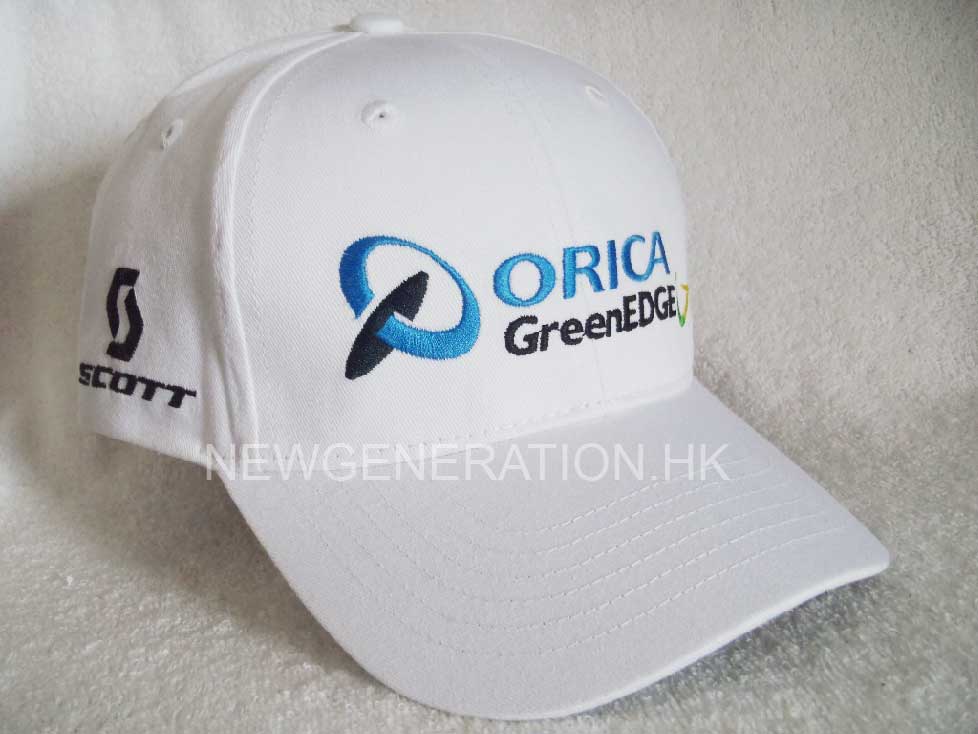
The 5-panel cap is constructed from five distinct pieces of fabric: two side panels, two back panels, and a single front panel. The defining characteristic is the lack of a seam down the center of the forehead. This creates a continuous, unbroken "canvas" from the visor to the top of the crown. Historically associated with cycling caps and military applications, this construction has been adopted by modern streetwear brands for its clean, minimalist look. It allows for a larger, uninterrupted area for decoration, which is critical for bold, rectangular, or wide logos.
The 6-Panel Construction
The 6-panel cap is the industry standard for baseball and athletic headwear. It consists of six triangular panels that meet at the top of the crown, creating a seam that runs directly down the center of the front of the cap. This seam provides more structure and shape to the crown, often resulting in a higher profile. While the center seam can interrupt a design, it offers a classic, familiar silhouette that is widely accepted in corporate and athletic markets.
Branding Viability: The "Canvas" Dilemma
For a brand buyer, the most critical operational difference between these two styles is how the construction affects logo application.
The 5-Panel Advantage
Because the 5-panel cap lacks a center seam, it functions similarly to a t-shirt or a billboard. Embroidery, screen printing, or heat transfers can be applied directly to the center of the forehead without the risk of the design "falling" into a seam groove. This is particularly advantageous for:
- Large-format logos: Graphics that span a significant width.
- Text-heavy designs: Horizontal text that requires a straight baseline.
- Alternative decoration methods: Sublimation or high-density prints that require a perfectly flat surface.
The 6-Panel Consideration
The center seam on a 6-panel cap presents a unique challenge. If a design is embroidered directly over the seam, the stitching may become distorted, or the design may appear "split." To mitigate this, manufacturers often suggest placing the logo slightly higher on the crown or using a "side-seam" placement. However, the 6-panel structure is superior for:
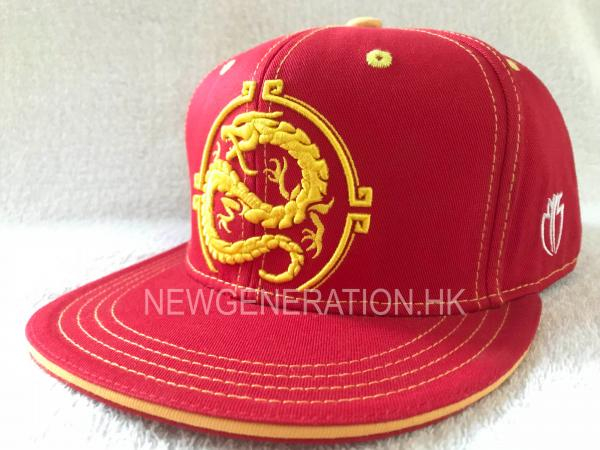
- 3D Puff Embroidery: The structure of the panels often supports the raised embroidery foam well, provided the design avoids the actual center seam line.
- Centered, smaller crests: Traditional logos that fit within the triangular space between the seams.
Aesthetic and Demographic Alignment: The Visual-Functional Matrix
Beyond the technical decoration constraints, the silhouette of the cap communicates a specific brand message. We utilize the Visual-Functional Alignment Matrix to match the cap style to the intended market demographic.
| Brand vibe | Recommended construction | Profile & shape | Why it fits |
|---|---|---|---|
| Streetwear / Hypebeast | 5-Panel | Often unstructured or low-profile; "Dad cap" style. | The seamless front offers a modern, clean look that aligns with minimalist or bold graphic trends. |
| Heritage / Workwear | 5-Panel | Canvas or twill materials; buckram or hard buckram support. | Evokes a vintage, utilitarian feel (referencing cycling/military roots). |
| Corporate / Uniform | 6-Panel | Structured, high-profile; mid or high-crown. | The classic shape is recognizable and professional; hides seams well with subtle, toned-down logos. |
| Athletic / Performance | 6-Panel | Performance mesh; structured or semi-structured. | The traditional baseball cap silhouette is expected by athletes and fans; provides better shape retention during activity. |
Sourcing Decision Table
To streamline the selection process for your procurement team, refer to the technical constraints and features below.
| Feature | 5-Panel Cap | 6-Panel Cap |
|---|---|---|
| Front seam | None (Seamless front). | Yes (Center seam runs down the front). |
| Decoration area | Maximum unbroken space; ideal for wide prints. | Interrupted space; design must avoid center seam. |
| Crown shape | Often lower profile; can appear "sloped" or relaxed. | Generally higher profile; rounder, fuller head shape. |
| Structural support | Varies (can be unstructured or buckram-supported). | Typically more structured due to panel geometry. |
| Best for | Fashion brands, complex logos, retail merchandise. | Teams, uniforms, promotions, classic looks. |
Critical Approval Questions for Your Manufacturer
When communicating with your OEM/ODM partner, avoid assumptions about fit and finish. Use the following questions to verify that the final product aligns with your brand standards. These questions turn the unknown variables of manufacturing into documented specifications.
- Crown height definition: "What is the specified crown height for this sample, and does it align with the 'high-profile' or 'low-profile' requirement in our tech pack?"
- Buckram usage: "Will the front panels contain buckram (support fabric), or will they be unstructured? How does this affect the drape of the fabric?"
- Seam alignment: "For the 6-panel option, can you verify that the embroidery machine will align the design precisely between the seams to ensure symmetry?"
- Visor stitching: "Is the visor attached via the standard 6-step stitching process, and can we confirm the thread count for durability?"
- Fabric shrinkage: "Have you accounted for potential fabric shrinkage post-decoration in the grading of the cap size?"
Frequently Asked Questions
Can I do 3D puff embroidery on a 5-panel cap?
Yes, but the placement is key. Since 5-panels are often unstructured, the foam may not sit as rigidly as it would on a stiff 6-panel cap. However, because there is no center seam, you have more freedom to place the 3D logo anywhere on the front panel without the design splitting.
Which cap style offers better fit for universal head sizes?
Both styles can be fitted with adjustable closures (like snapbacks or velcro) or stretch bands. However, the 6-panel construction, with its additional seam, often contours to the head slightly differently, potentially offering a rounder fit. The 5-panel tends to sit flatter against the forehead. Fit is subjective and should always be tested with a pre-production sample across your target demographic.
Does the 5-panel cap cost more to manufacture?
The cost difference is generally negligible as both use similar amounts of fabric and labor. Pricing is more heavily influenced by the fabric choice (e.g., cotton vs. performance mesh) and the complexity of the decoration rather than the panel count itself. You should verify the current material costs with your supplier for your specific project.
Are there limitations on color blocking for 5-panel vs. 6-panel caps?
The 6-panel cap naturally allows for complex color blocking because each of the six panels can be a different color. The 5-panel cap offers fewer panels for color blocking (typically limiting you to a 2-color or 3-color split), though the brim and button offer additional opportunities for color accents.
Download the Style Selection Sheet
Define your brand's profile, decoration needs, and fabric requirements with our internal specification sheet. Don't leave your headwear investment to guesswork.
Download the Style Selection Sheet →Checklist for Pre-Production Approval: Use this concise list to verify your next sample shipment against your technical requirements.