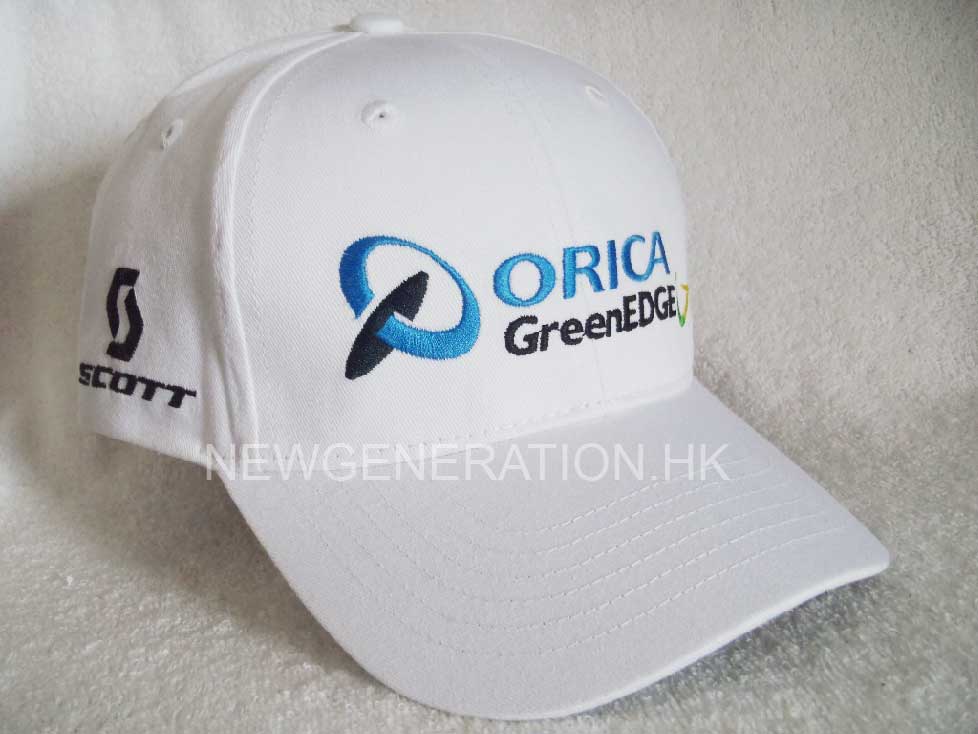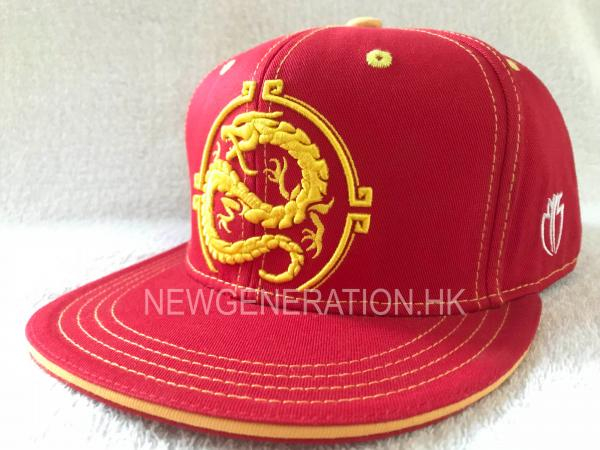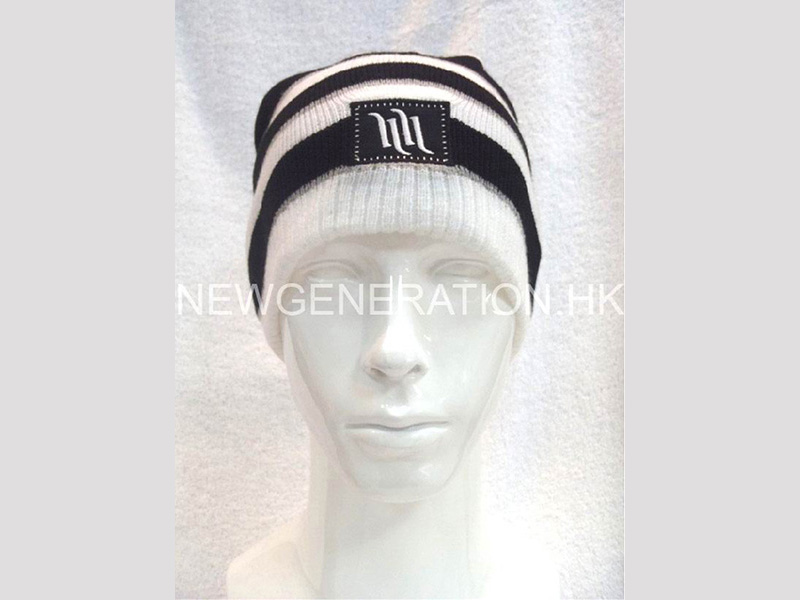



Bulk approval should turn the approved cap sample into one controlled production record. Before release, confirm the specification version, materials, measurements, artwork, packaging and inspection method. This checklist helps buyers close gaps without relying on unsupported defect-rate or cost-savings claims.
1. Freeze the approved specification
Issue one final tech pack with a version number and date. It should match the physical sample and list every approved change. Remove old or conflicting files from the active production handoff so the factory team receives one source of truth.
2. Identify the physical approval reference
Record which sample, swatch, component and colour standard are approved. Photographs are useful for communication but should not replace a physical reference when colour, hand feel, fit or construction must be judged.
3. Confirm materials and substitutes
List the fabric, colour, visor insert, closure, sweatband, tape, labels and packaging components. State that substitutes require written buyer approval. If a material changes, review the effect on appearance, fit, decoration and testing before production continues.
4. Review measurement points and tolerances
Use a measurement table that both sides understand. Include the method and location for each measurement and agree project-specific tolerances with the factory. Do not copy generic tolerances from a different cap construction.
5. Approve artwork as production data
Confirm the final vector file, colour, finished size, placement reference and decoration method for every logo. The approval record should distinguish 2D or 3D embroidery, print, woven patch, leather patch and other processes.
6. Document labels and packaging
Confirm label wording, barcode or carton data, polybag requirements, folding or packing method, carton quantity and shipping marks. Packaging mistakes can block warehouse receiving even when the cap itself is correct.
7. Agree the inspection plan
Define which construction, measurement, appearance, decoration and packaging checks will be performed, when they occur and how results are recorded. If third-party inspection or market-specific testing is required, record the scope and responsible party before production.
8. Confirm the change-control path
Name the people authorised to approve changes. A production team should not rely on scattered chat messages or an unversioned image. Add every accepted change to the controlled specification and assess whether a revised sample is needed.
Bulk approval handoff
| Record | Approval evidence |
|---|---|
| Final tech pack | Version, date and buyer approval |
| Physical sample | Reference sample identifier and retained location |
| Materials and colours | Approved swatches or component references |
| Artwork | Final file, method, size and placement |
| Packaging | Approved labels, units and carton instructions |
| Inspection | Checks, timing, records and responsible parties |
Use the cap design and tech pack guide to prepare the handoff, review fabric options, and keep the final approved sample connected to the same project record.
Frequently asked questions
Can bulk production start from an approved photo?
A photo alone cannot reliably define dimensions, fit, colour or material feel. Use a controlled specification and an identified physical sample where those details matter.
What happens when a material becomes unavailable?
The supplier should present the alternative, document the difference and obtain written approval. A new sample may be needed when the change affects appearance, fit, decoration or compliance.
Who should sign off the production version?
The buyer should name an authorised approver, while the supplier should name the person responsible for controlling the production documents.