

Why most buyers fail at sourcing custom hats in China
Buyers don’t fail because Chinese factories are unreliable—they fail because they don’t define what reliable means for their product. Without a clear benchmark, you’re gambling on suppliers who may excel at baseball caps but can’t handle a folded-cuff beanie or bias-cut bucket hat lining.
A 2024 supply chain benchmark found 60% of first-time importers face avoidable delays, losing 6–8 weeks on average. One U.S. lifestyle brand chose a factory for its 300-unit MOQ, only to discover it used outdated flat-knitting machines. The result? Inconsistent gauge, misaligned seams, and three lost months.
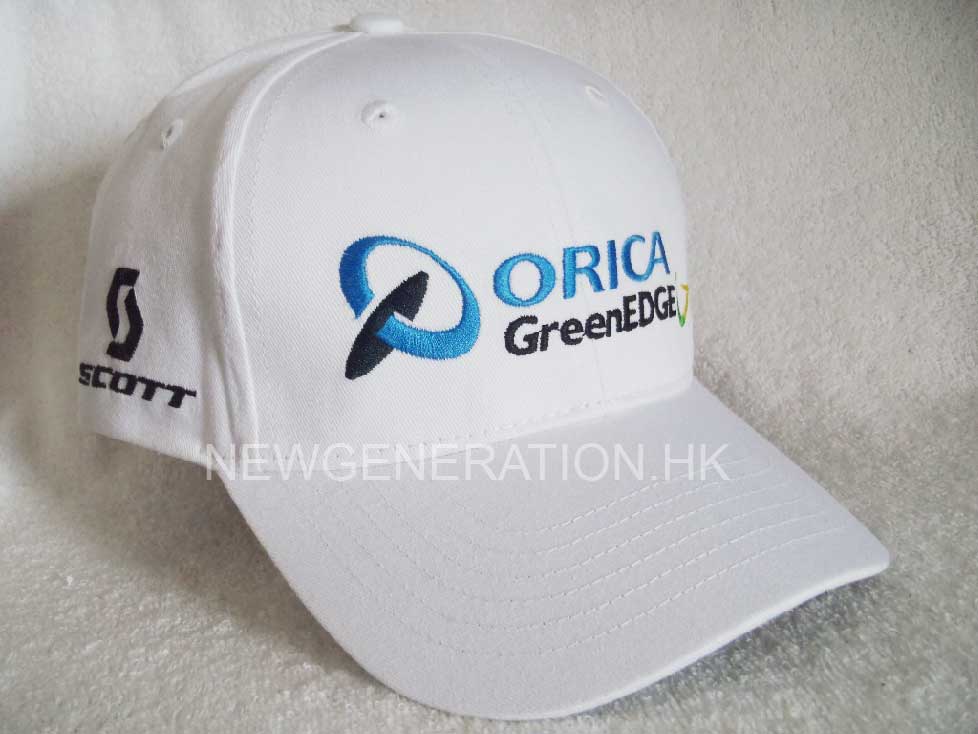
Technical capability isn’t optional—it’s your filter. A buyer scorecard with weighted criteria like stitching precision, material traceability, and sample turnaround time separates true private label hats manufacturer partners from generic suppliers. Those who use one see up to 30% faster time-to-market by aligning early with specialists, like a baseball cap factory equipped with digital embroidery integration. That speed means hitting Q1 retail windows others miss.
Misaligned vetting doesn’t just cost money—it costs relevance. In seasonal apparel, being late is often worse than not launching at all.
What to include in a baseball cap tech pack that gets results
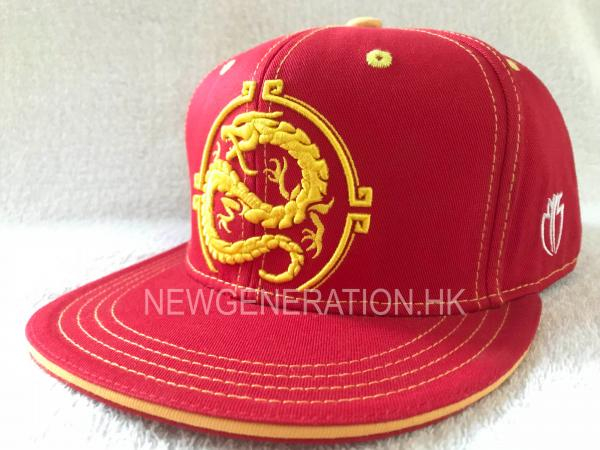
A complete tech pack cuts revision cycles by up to 70%. For a brand producing 5,000 custom snapback hats, even a 2mm logo misalignment can trigger mass rejections. Factories don’t guess—they follow instructions. Vague specs mean inconsistent output.
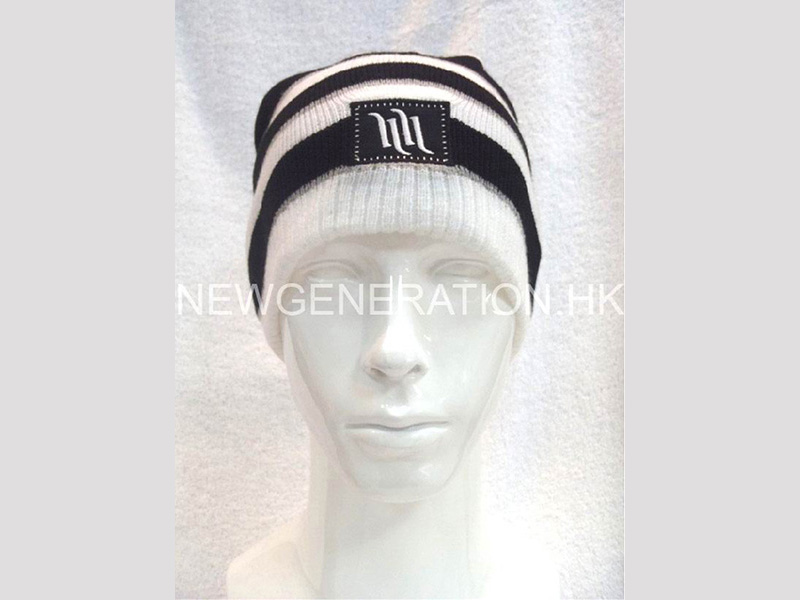
Precise fabric weight, stitch density, and Pantone thread codes lock in quality. A beanie tech pack must detail ribbing tension and cuff fold height. A custom embroidered caps wholesale spec sheet needs front panel seam alignment, buckram stiffness, and closure tolerance. Missing any detail risks bulk defects.
One activewear brand reduced sampling from five rounds to two by adding 3D measurement callouts and wash-care simulation data. Their prototype matched final production quality—no surprises. That precision means 30% faster time-to-market, capturing demand before competitors finish revisions.
Detailed specs aren’t overhead—they’re profit protection. When every element is defined, from sweatband adhesion to brim curvature, your tech pack becomes a scalability lever. You’re not just avoiding errors—you’re enabling speed, consistency, and retailer confidence.
How smart sampling cuts costs and speeds up launches
You’ve built a solid tech pack. Now, use sampling as engineering validation—not just a visual check. Strategic prototyping catches flaws before they scale, turning potential six-figure rework into a $500 risk test.
One DTC brand avoided $18K in post-production fixes by testing stitch strength on curved crown panels during pre-production. That failure wouldn’t have surfaced without physical testing from a technically capable custom cap manufacturer. Free hats samples aren’t about saving dollars—they’re about investing in accuracy.
- Pre-production samples reveal seam slippage, brim stiffness, and fit issues before bulk
- Engineering-grade prototypes allow durability testing under real-world conditions
- Validated builds give sales teams proof of quality, strengthening retailer negotiations
Faster launches aren’t rushed—they’re earned. Brands using qualified suppliers for pre-production samples cut time-to-market by 30%, thanks to fewer revisions and faster approvals. Each approved sample becomes a commercial asset: a baseline for consistency, a sales tool, and a foundation for scaling with confidence.
When ‘free’ samples are rooted in technical rigor, they stop being a cost and start driving ROI—cutting waste, reducing risk, and accelerating revenue from day one.
#cap manufacturers china, #headwear manufacturers china, #hat tech pack