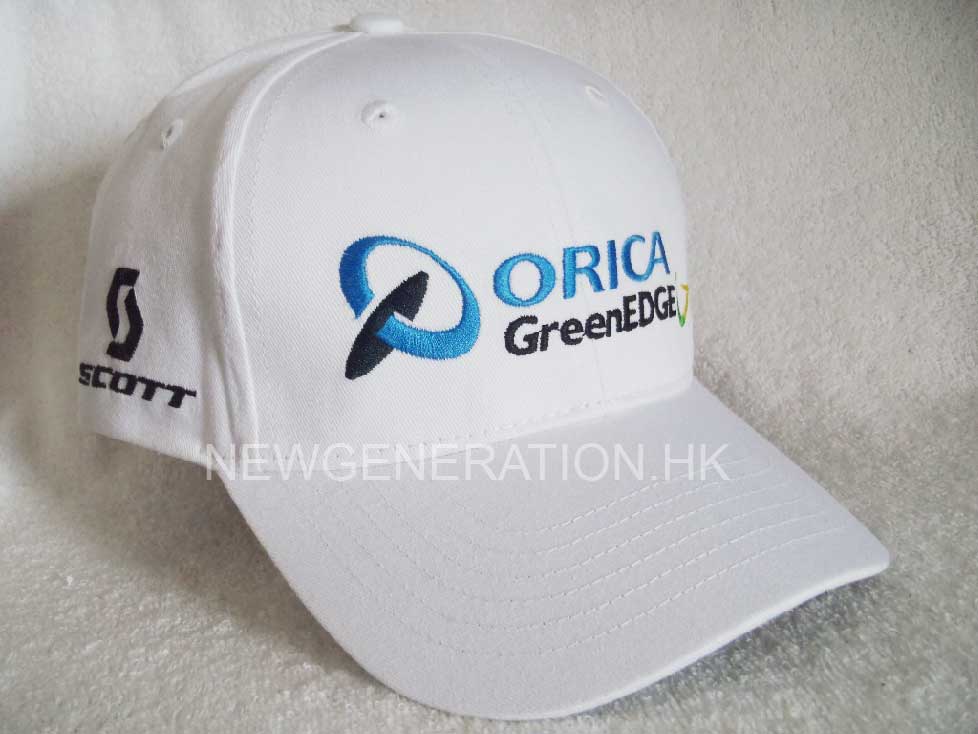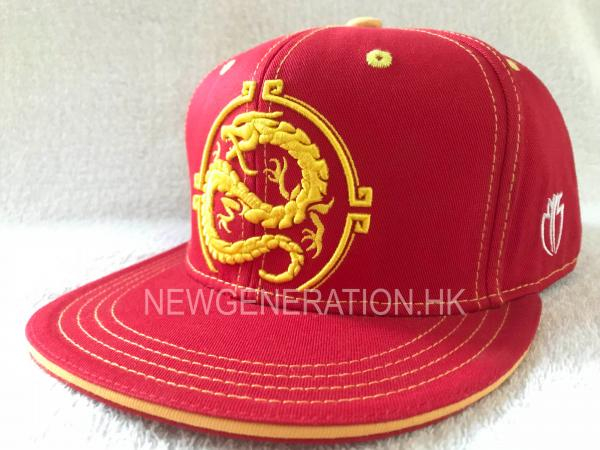


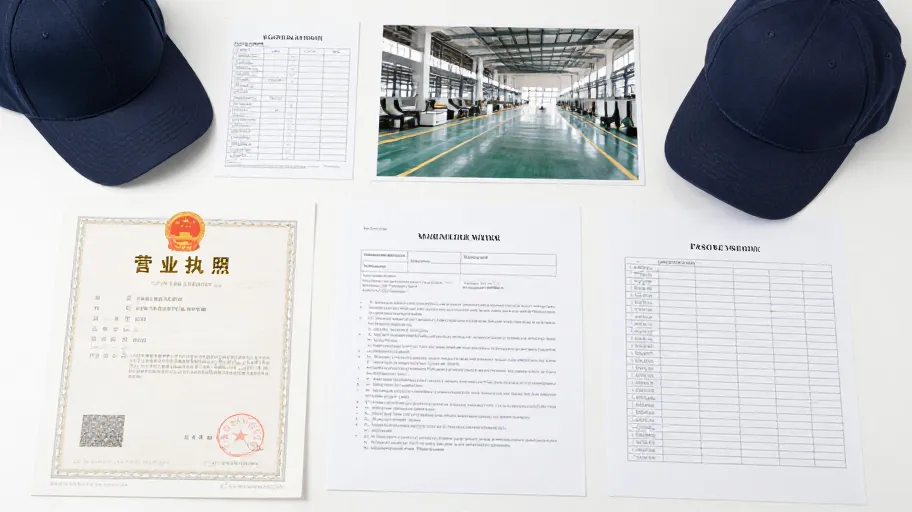
Before you sign off on a baseball cap manufacturer, keep a single evidence file covering four things: verified capability proof (business licence, export record, facility evidence), a written sample-approval record with defined acceptance criteria, documented answers to your policy questions (samples, tooling, quality responsibility), and an iteration log showing how the supplier handled corrections. If any of the four is missing, your approval rests on trust rather than traceable fact.
Why sign-off evidence matters more than sales conversations
Sourcing custom headwear from China places a procurement lead at a distance from the production floor. That distance is manageable — but only if you replace presence with paperwork. A manufacturer's responsiveness during quoting tells you something about communication; it tells you nothing enforceable about how defects, re-sampling or embroidery file ownership will be handled after a deposit is paid.
The habit that separates disciplined buyers from exposed ones is simple: before final approval, you hold a documented file, and every claim you rely on exists inside it. Everything not in the file is treated as unverified.
The E-V-I-D framework for final sign-off
Use E-V-I-D — Evidence, Verification, Iteration, Documentation — as your approval gate with any baseball cap manufacturer.
E — Evidence. Collect primary proof: business registration documents, export qualifications the manufacturer states it holds, facility or production-line evidence, and product documentation for the exact cap construction you are buying. Request copies or screenshots of the documents themselves, not descriptions of them.
V — Verification. Check each document against an independent source where possible — registration lookups, the freight forwarder's confirmation of the export entity, a third-party inspection arrangement you commission. A claim you verified yourself weighs more than a claim presented to you.
I — Iteration. Observe how the supplier handles one correction cycle during sampling. When you request a change to a brim shape, embroidery density or closure type, record the request, the response and the outcome. Iteration behaviour is your best available preview of dispute behaviour.
D — Documentation. Convert every verbal assurance into writing before sign-off: sample policy, who holds tooling and embroidery files, quality acceptance criteria, and responsibility for re-work. If it is not written, it does not exist for approval purposes.
Decision table: evidence and its approval weight
| Evidence item | What it proves | Approval weight | If missing |
|---|---|---|---|
| Business licence and export registration (as supplied by manufacturer) | Legal entity you can contract with | High — mandatory | Do not proceed to PO |
| Written sample-approval record with acceptance criteria | Shared definition of "approved" | High — mandatory | Hold sign-off |
| Documented answers to your policy questions | Policies confirmed, not assumed | High — mandatory | Hold sign-off |
| Facility or production evidence for your cap type | Capability for this construction | Medium — verify before PO | Request before approval |
| Iteration log from sampling | Problem-solving behaviour | Medium — strong signal | Extend sampling |
| Named compliance or sustainability credentials | Stated certifications | Medium — verify certificate number and scope | Verify or exclude from claims |
| Reference clients | Third-party validation | Low — verify before relying | Do not weigh in decision |
Note: for any certification or reference the manufacturer cites, confirm the certificate number, issuing body and scope directly. New Generation, like any manufacturer, should be evaluated on the documents you actually receive — not on catalogue claims.
Concrete approval questions to send your baseball cap manufacturer
Send these in writing and retain the answers in your evidence file:
- What is your current sample policy for this cap construction — sample arrangement, costs, and delivery of samples to us? (Confirm the current policy directly; do not rely on prior assumptions.)
- Who owns the embroidery digitising files, patterns and tooling after payment — our brand or the factory — and is this stated in writing?
- What are the written quality acceptance criteria for bulk production against the approved sample, and how are deviations handled?
- If bulk goods do not match the approved sample, what is the documented correction process, and at whose cost under which conditions?
- What production schedule, order minimum and capacity commitment apply to this specific project, and where are they recorded?
- Which certifications or test reports relevant to our destination market can you provide documentation for, and can we verify certificate numbers independently?
- Can a third-party inspection we appoint access the facility before shipment, and at what stage?
Every answer should return in writing. A supplier that answers promptly and precisely is giving you an approval asset; a supplier that answers vaguely is giving you a decision signal of a different kind.
Red flags in documentation behaviour
- Verbal answers to written questions.
- Sample approval offered without defined acceptance criteria.
- Reluctance to state quality-responsibility terms before a deposit.
- Certificate claims without numbers, issuing bodies or scope.
- Ownership of embroidery files and tooling left ambiguous.
None of these proves bad faith, but each removes an item from your evidence file — and your approval should track your file, not your optimism.
Pre-approval checklist
Use this checklist as your minimum gate before sign-off:
- Business licence and export registration received and checked
- Written sample policy confirmed directly with the manufacturer
- Approved sample retained, with acceptance criteria in writing
- Tooling and embroidery file ownership documented
- Quality acceptance and correction process written down
- Project-specific MOQ, schedule and capacity confirmed in writing
- Certifications documented with verifiable numbers and scope
- Third-party inspection access agreed
- Iteration log from sampling added to file
- All answers stored in one retrievable evidence file
FAQ
What single document matters most before approving a baseball cap manufacturer? The written sample-approval record with acceptance criteria. It is the reference point for every downstream quality judgement, and its absence converts any later dispute into an argument instead of a comparison.
Should I rely on a manufacturer's website claims during comparison? Use them as prompts, not proof. Website capability claims are inputs to verify — through documents, sample iteration and inspection access — before they earn weight in your decision.
How many correction cycles during sampling should I expect before sign-off? There is no fixed number, and none should be assumed. What matters is that each request, response and outcome is logged, because the log — not the count — reveals how the manufacturer handles disagreement.
Do I need a third-party inspection even for a first small order? That is a risk decision based on your order value and tolerance for deviation. What you should secure regardless is the written option: confirm directly that an inspector you appoint can access the facility, so the choice remains yours.
How do I compare several custom headwear suppliers fairly? Score each against the same E-V-I-D evidence file using one standard format, so a documented answer outranks a persuasive conversation. That is exactly what a structured scorecard is for.
Primary CTA: Ready to compare suppliers on evidence instead of impressions? [Download Supplier Scorecard] and score every baseball cap manufacturer against the same documentation gate before you sign.
Low-friction checklist CTA: Prefer to start small? Copy the pre-approval checklist above and send it to your shortlisted manufacturers today — the written answers you receive are your first evidence file.
#cap manufacturers china, #headwear manufacturers china, #cap factory