

Why most brands fail quality control offshore
One startup’s premium bucket hat line imploded when 35% of customers returned them—seams split after light use. The fabric looked perfect. The stitching failed silently. A 2024 apparel benchmark found 68% of QC failures in woven headwear stem from construction flaws, not design, per ASTM D1682 textile strength standards. The culprit? Substandard thread tensile strength and low stitch-per-inch (SPI) ratios—details often ignored by teams obsessed with fabric weight.
SPI—the number of stitches per inch—directly determines seam durability. Outdoor leaders like Patagonia and Arc’teryx maintain 8–10 SPI on high-stress seams. Many budget Chinese factories run at 5–6 SPI to save time and thread. At that density, even 300gsm cotton canvas fails under routine stress because tension isn’t distributed. One European brand slashed returns by 74% just by enforcing a minimum 9 SPI and bonded polyester thread. That’s not over-engineering—it means customers keep hats longer, reducing replacement costs and boosting lifetime value.
Fabric weight alone is a misleading proxy for quality. Heavier fabric with weak stitching doesn’t last—it fails more expensively. Optimized SPI, paired with correct needle gauge and tension calibration, extends product life even with mid-tier textiles. This means fewer chargebacks, higher retention, and a reputation for reliability. When construction slips, brand equity erodes before most customers can explain why. Durability isn’t marketed—it’s felt in every wear cycle.
How fabric testing prevents brand collapse
A U.S. outdoor label avoided a 220,000-unit disaster when AATCC TM135 shrinkage testing revealed a 6.8% dimensional shift in fabric after simulated home washing. The batch, cut for bucket hats in Guangdong, would have warped brims and misaligned logos post-wash—destroying perceived quality. This single test saved seven figures in potential losses and preserved their core promise: gear that endures.
Most offshore defects aren’t made on the line—they’re baked in at the fabric mill. SGS’s 2024 apparel integrity report shows 57% of wash-induced failures trace to untested textiles. Yet fewer than 30% of brands require AATCC protocols like TM135 (shrinkage), TM16 (UV colorfastness), or TM119 (pilling resistance) before production. Commodity fabrics pass visual checks but degrade fast; engineered fabrics deliver—but only if verified.
Mandating pre-production testing shifts you from reactive QC to proactive risk control. A fabric scoring below Grade 3 in pilling resistance will show fuzz and wear within three months—killing perceived value. One that fades before 20 hours of UV exposure breaks the unspoken contract of outdoor performance. This data isn’t just technical—it predicts repeat purchases. AATCC validation means confidence in consistency, because customers reward brands that deliver what they promise, wash after wash.
Building brand loyalty through stitch level details
When a DTC brand switched to tonal top-stitching and metal-reinforced grommets at their Fujian factory, repeat purchases jumped 22% in six months. That’s not branding—it’s tactile storytelling. After securing fabric and construction integrity, the next frontier is brand touchpoint engineering: designing micro-details that shape emotional loyalty before a logo is even seen.
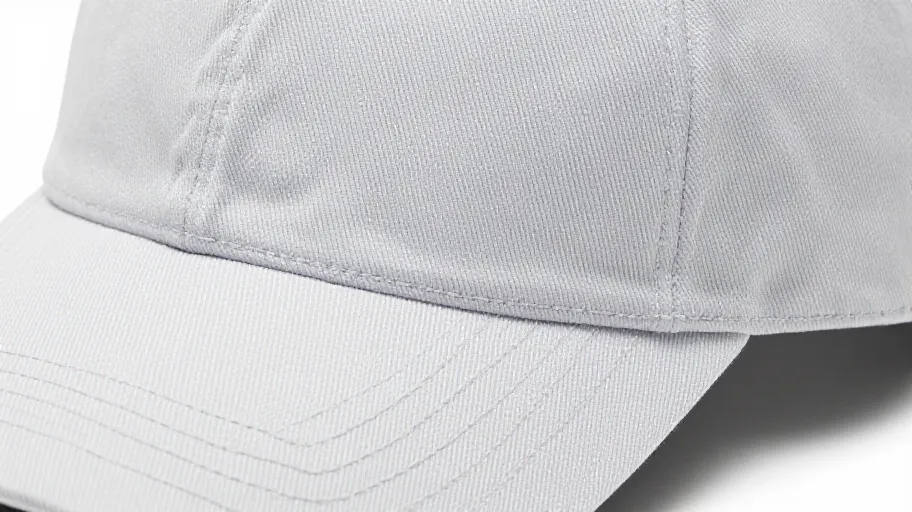
Consumers register subtle cues instantly. Stitch contrast (tonal vs. bold), buckle material (metal vs. plastic), and seam finish (overlock vs. flat-felled) act as silent signals of authenticity. A 2023 McKinsey study found 61% of consumers associate precise, consistent stitching with brand legitimacy—more than embroidered logos. These aren’t cosmetic touches; they’re trust triggers embedded in the product’s DNA. Inconsistent execution here undermines premium positioning faster than any ad campaign can fix.
The upside? Many capable Chinese cap manufacturers now support small-batch customization with turnaround times matching mass OEMs—without sacrificing precision. One LA-based label cut defect rates by 40% and expanded into sunglass cases using the same factory’s hardware sourcing and stitch programming. Their supplier didn’t just make hats—they became an extension of the brand’s quality story. Consistent micro-execution builds supply chain trust, which unlocks scalability. When your 500th unit feels identical to your 5,000th, retailers notice, customers return, and new categories gain instant credibility.
#cap manufacturers china, #cap factory, #hat tech pack