

The cap manufacturing industry has evolved significantly over the years, from traditional methods to modern, technology-driven processes.…
In the United States, the sector is characterized by a blend of established players and innovative startups, each vying for a share of the market. According to industry reports, the US cap manufacturing sector is expected to grow at a steady rate, driven by increasing demand for custom and branded headwear.
Understanding the Cap Manufacturing Industry: A Comprehensive Overview
The Evolution of Cap Factories: From Traditional to Modern Methods
In the early 2000s, cap factories relied heavily on manual labor and basic machinery. Today, the industry has embraced automation and advanced technologies, such as computer-aided design (CAD) and robotic cutting systems. These advancements have not only improved efficiency but also enhanced the quality and consistency of the final product.
Key Players and Market Trends in the US Cap Manufacturing Sector
Key players in the US cap manufacturing sector include both large corporations and smaller, specialized firms. Major trends include a focus on sustainability, customization, and rapid turnaround times. For instance, some factories are now using eco-friendly materials and implementing lean manufacturing practices to reduce waste and improve operational efficiency.
What Makes a Cap Factory Stand Out: Expert Insights and Brand Positioning
Defining Your Brand: Why Clear Positioning is Crucial in the Cap Industry
Clear brand positioning is essential in the cap manufacturing industry. It helps differentiate your products from competitors and resonates with your target audience. For example, New Generation, a leading cap manufacturer, has built its brand around high-quality, custom-made headwear, catering to a diverse range of clients, from small businesses to large corporations.
Case Studies: Successful Cap Factories and Their Unique Selling Propositions
#### Case Study: New Generation's Custom Embroidery Service
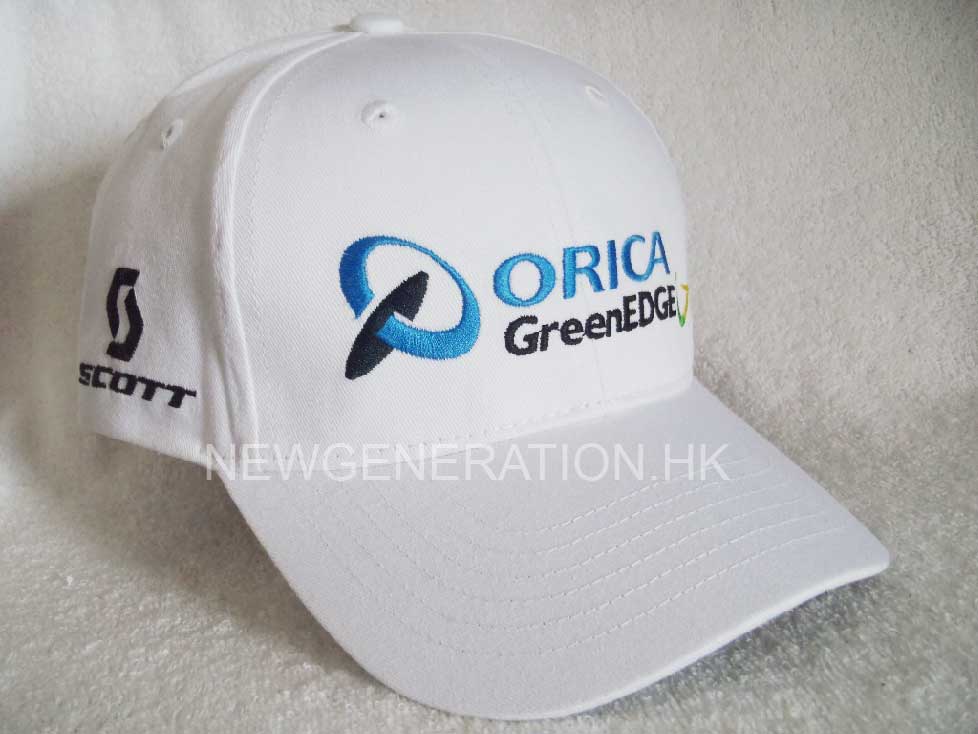
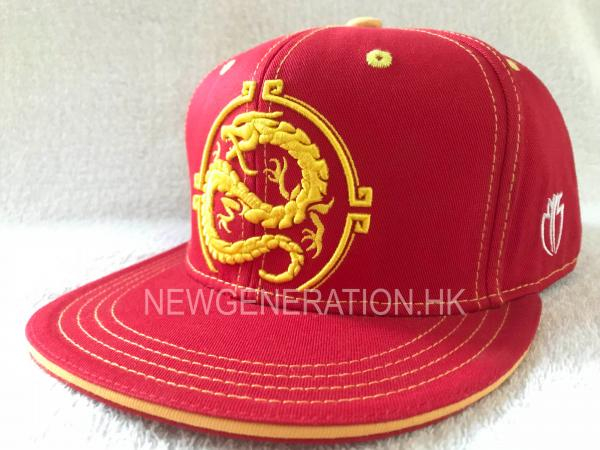
In 2018, New Generation launched a custom embroidery service that allowed clients to personalize their caps with intricate designs and logos. This service quickly gained popularity, especially among fashion brands and corporate clients. By investing in state-of-the-art embroidery machines and skilled artisans, New Generation was able to offer high-quality, detailed embroidery that set them apart from competitors.
#### Case Study: SwiftCap's Rapid Turnaround Time
SwiftCap, a California-based cap factory, made a name for itself by offering one of the fastest turnaround times in the industry. In 2020, they implemented a just-in-time (JIT) manufacturing system, which reduced production time by 30%. This enabled them to meet tight deadlines and attract clients who needed quick delivery, such as event organizers and promotional companies.
Choosing the Right Cap Factory: A Step-by-Step Guide
Evaluating Quality and Standards: What to Look For
When choosing a cap factory, it's crucial to evaluate the quality and standards of their products. Look for factories that adhere to industry standards, such as ISO 9001 for quality management. Additionally, check for certifications related to environmental and social responsibility, such as OEKO-TEX and Fair Trade.
Cost Considerations and Budgeting Tips
Cost is another critical factor to consider. While it's tempting to go with the lowest bidder, it's important to balance cost with quality. Request detailed quotes from multiple factories, including setup fees, per-unit costs, and any additional charges. Be sure to factor in shipping and handling costs, as well as potential delays or quality issues that could affect your budget.
Navigating Common Pitfalls: How to Avoid Costly Mistakes
Common Misconceptions in Cap Manufacturing
One common misconception in cap manufacturing is that all factories can produce high-quality, custom headwear. In reality, the quality and capabilities of factories vary widely. Some may lack the necessary equipment or expertise to handle complex designs or high-volume orders. To avoid this pitfall, conduct thorough research and request samples before committing to a large order.
Expert Advice: Real-World Scenarios and Solutions
#### Scenario: Poor Communication Leads to Misaligned Expectations
In 2019, a client from Texas ordered 5,000 custom caps for a major event. Due to poor communication, the factory misunderstood the design specifications, resulting in a batch of caps that did not meet the client's expectations. This led to a rushed re-order and significant additional costs.
Lesson: Establish clear and consistent communication channels with your cap factory. Use detailed design briefs, mockups, and regular check-ins to ensure that everyone is on the same page. Regular updates and progress reports can help catch and address issues early in the production process.#### Scenario: Overlooking Quality Control
In 2020, a small business owner in New York ordered 1,000 custom caps for a new product launch. The factory, eager to meet the deadline, skipped some quality control checks. As a result, a significant number of caps had stitching defects and misaligned logos. The client had to recall the defective caps, causing a delay in the product launch and damaging their reputation.
Lesson: Never compromise on quality control. Ensure that the factory has a robust quality assurance process in place, and request to see their inspection procedures. If possible, visit the factory or have a third-party inspector verify the quality of the products before shipment.Future Trends in Cap Manufacturing: Staying Ahead of the Curve
Innovative Materials and Technologies Shaping the Industry
The cap manufacturing industry is continuously evolving, with new materials and technologies driving innovation. For example, the use of sustainable fabrics like organic cotton and recycled polyester is becoming more prevalent. Additionally, advancements in 3D printing and smart textiles are opening up new possibilities for customization and functionality.
Sustainability and Ethical Practices: The New Norm
Sustainability and ethical practices are no longer optional; they are becoming the new norm in the cap manufacturing industry. Consumers are increasingly aware of the environmental and social impact of their purchases, and they are willing to pay a premium for products that align with their values. Factories that prioritize sustainability, fair labor practices, and transparency are likely to gain a competitive edge in the market.
By understanding the key aspects of the cap manufacturing industry, avoiding common pitfalls, and staying ahead of future trends, you can make informed decisions and choose the best cap factory for your needs in 2026.