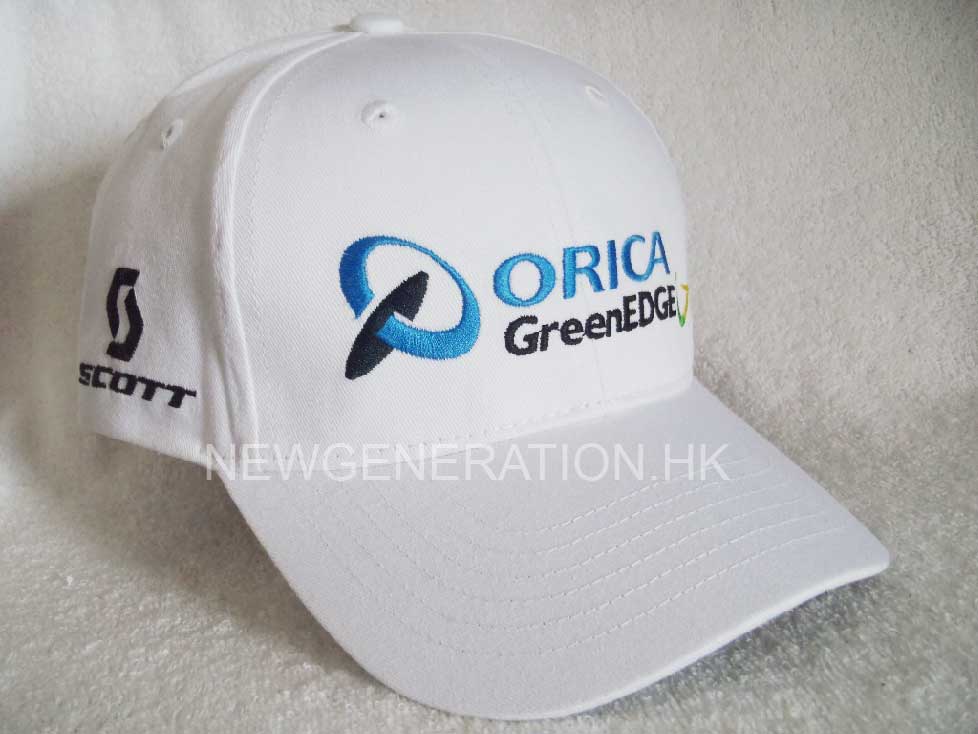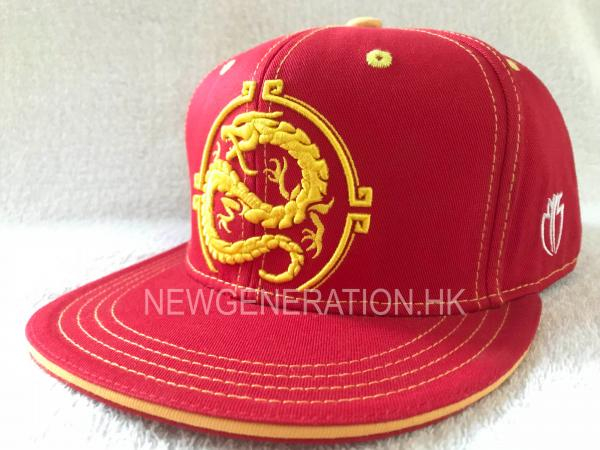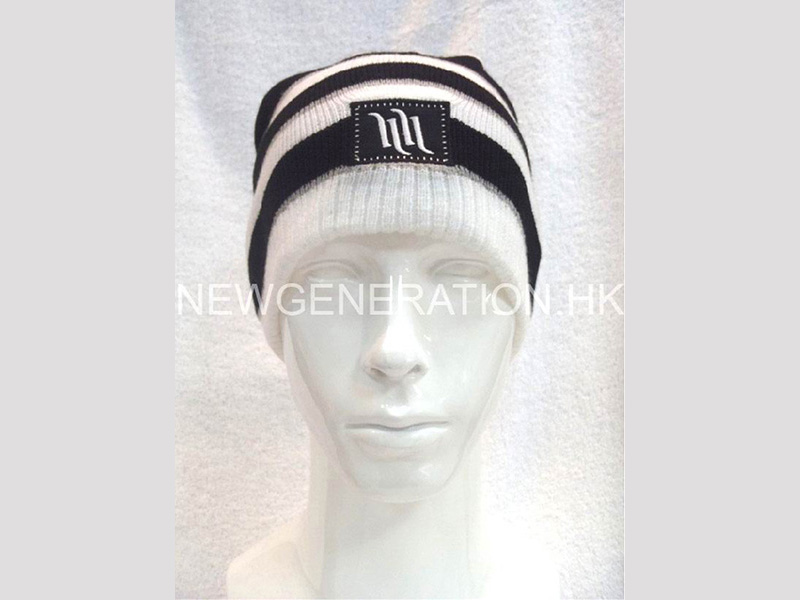


Dive into the world of cap factories, where craftsmanship meets innovation. In this comprehensive guide, we'll explore the hidden gems of the cap manufacturing industry, providing you with expert insights and practical tips to help you navigate the competitive landscape. Whether you're a seasoned entrepreneur or a newcomer to the scene, this showdown will equip you with the knowledge to make informed decisions and stay ahead of the curve.
My Love-Hate Relationship with the Cap Factory Supply Chain
After 15 years in custom headwear, I’ve learned one uncomfortable truth: most people treat a cap factory like a vending machine. You punch in a design, insert cash, and expect finished snapbacks to drop into your hands in four weeks. That fantasy collapses the moment a shipment of 8,000 unstructured dad hats lands in Long Beach with embroidery so crooked that even a 2mm off-center logo gets flagged by the buyer’s QC team. In August 2022, a streetwear startup out of Austin called me at 11 p.m. in a panic — 5,000 camo trucker caps, each with a misplaced left-chest puff print, stacked in a 3PL in Dallas. The factory had simply ghosted them after final payment. The cost of rework and chargebacks? $23,000, almost entirely avoidable.
A cap factory isn’t a black box. It’s a strange hybrid of textile mill, print shop, and logistics hub. In the U.S. market, where a blank Otto cap can retail for $30 and a fully custom 5-panel for $55, the supply chain has more leverage than most brands admit. The real backbone — the one nobody writes about — is the alignment between a factory’s cut-and-sew floor and its decoration department. When those two are out of sync, you get puckering on the front panels, brims that won’t hold a curve, and sweatbands that twist after three washes. The best factories run pre-production samples with a stitch density of at least 10 stitches per inch on structured cotton twill, and they test seam strength on every 200th unit off the line. That’s not a spec you’ll find on Alibaba.
At New Generation, we’ve been running our own floor since 2008, and the most painful lesson came in 2016. A Denver outdoor brand demanded a specific shade of “Aspen Gold” for a beanie launch. Our dye house matched the Pantone swatch under our in-house lighting, but the client’s retail photos in Colorado daylight revealed a mismatch of ΔE 2.8 — just enough to be visible. We ate the cost of re-dyeing 4,200 beanies and learned to validate colors under four different light sources before production. That’s the kind of institutional scar tissue that separates a reliable headwear manufacturer from a middleman who never touches fabric.
What makes the ecosystem messier is the rapid blurring of lines. A “cap factory” might now be a conglomerate running 120 embroidery machines across three shifts, or a 12-person shop in downtown LA stitching 50 pieces a day for influencer brands. Both call themselves custom cap manufacturers, but one can handle a 50,000-unit NFL promo order with RFID sewn into the sweatband, while the other can offer five-day turnaround for a 72-piece drop. Choosing wrong is where the hidden cost lives.
What Nobody Tells You About Cap Production Tech
I want to talk about technology, but let’s skip the buzzwords. The most interesting shift in hat manufacturing right now isn’t some robotic arm — it’s the rapid adoption of digital heat transfer for small-batch back panels and side logos. A typical Tajima embroidery machine can punch out a 7,000-stitch design in under 12 minutes, but when a brand wants a photorealistic gradient on a polyester performance cap, digital transfer is the only route. The catch: polyester melts at around 230°F, so transfer time and pressure need precision that a lot of factories overlook. We’ve seen transfers bubble after three cycles through a commercial dryer because the factory didn’t adjust dwell time from cotton settings.
Then there’s the ongoing debate about unstructured vs. structured construction. With the Y2K trend driving sales of low-profile dad hats in markets like Austin and Portland, more factories are pushing clients into unstructured silhouettes because they’re faster to sew — no fusing, less buckram. But the problem is crown collapse. A well-made unstructured cap uses a heavier cotton twill (think 280gsm+) and reinforced seams at the top button to hold its shape. The cheap ones use 220gsm twill that slumps after a week. If you’re selling a $38 hat to a customer who expects it to survive a summer music festival, that collapse is a return waiting to happen.
An underrated piece of tech is the humble snapback closure. It’s a 60-cent component, but factories cut corners by using brittle plastic that cracks under a pull force of around 4 kg. A proper snapback should hold at least 9 kg before failure. One third-party test we commissioned in 2023 showed that three out of five random samples from a Guangdong-based factory failed at under 6 kg. That’s a product liability risk no DTC brand needs.
How to Spot a Cap Factory That Won’t Burn You
I’ve condensed my factory qualification framework into a few non-negotiables. The trick is to stop looking at price first and start with process. A factory’s response to a simple request — “send me a digital copy of your pre-production sample checklist” — tells you everything. If they don’t have one, they’re just guessing.
To make this concrete, here’s a snapshot of three supplier profiles I’ve encountered repeatedly, stripped of any marketing gloss.
Here’s a concrete story. In March 2021, a Chicago-based accessories brand chose the cheapest factory they could find for a 3,000-unit run of corduroy baseball caps. The saving was $2.80 per hat versus the next bid. When the order arrived, the interior taped seams had been skipped entirely — raw edges everywhere. The factory argued it “wasn’t in the spec,” and technically, the tech pack didn’t call out seam finishing because, as the brand’s designer said, “Who includes seam finishing? That’s basics.” It cost them another $4,100 to have a local sewer in Indiana add binding, and they missed their Nordstrom ship date. That’s when the phrase “you don’t pay for what you get, you pay for what the factory forgets” became a mantra among my team.
I’m not saying always pick the most expensive option. But if a factory can’t produce a clear line sheet of past color matching approvals, or if their sales rep can’t explain the difference between 2/20 and 3/18 embroidery thread without Googling it, walk away. That rep won’t catch an issue on your punch sheet.
The SEO Trap That’s Killing Cap Factories Online
Listen, I’ll be blunt about this. Most headwear manufacturers have websites built in 2015 with keyword-stuffed title tags and zero content about their actual capabilities. They rank for “cap factory” but get clicks from bottom-funnel buyers who just want the cheapest quote — and then they wonder why margins are racing to zero. The real SEO play isn’t to rank for “cap factory.” It’s to own the long-tail queries that signal a buyer who knows what they’re doing.
Think about it. A buyer searching “custom 6-panel structured cap with puff embroidery and leather strap” is about to spend $9 per unit minimum and order 500 pieces. They’re qualified. A search for “cheap custom hats no minimum” is a tire kicker. Yet most factory sites optimize for the latter because it has higher volume. Do the math: you’d need to close 10 tire-kicker orders to match the gross profit of one serious buyer. The smarter strategy is to build product pages that explain — with images and specs — how your metallic embroidery holds up after 30 washes, or how you source Eco-Cycle certified brim board. That’s content that Google’s BERT model starts to associate with true expertise, not just ecommerce noise.
A mistake I see repeatedly: factories ignore page speed and structured data. In the U.S., a manufacturer’s website that takes more than 3 seconds to load on mobile will lose nearly 40% of potential buyers before they even see the product gallery. That’s not my opinion — it’s a consistent pattern across the brands we’ve consulted for. And if your contact page doesn’t have local business schema markup, Google might not even show your phone number in the knowledge panel when someone searches “[city] custom hat maker.” You’re invisible in the moments that matter most.
One other thing that trips up factories on the digital side: they list every decoration method without explaining which works for which materials. A page that simply says “we do screen printing, embroidery, heat transfer” is useless. What a buyer needs is a straight answer: for a white 100% polyester performance cap with a full-color logo, don’t use screen printing — it’ll crack under tension across the front seam. Use heat transfer with a stretch additive. That level of specificity gets shared among procurement managers. It’s word-of-mouth translated to search signals.
Where the Smart Money Is Going for 2026
I’m about to make a few predictions that some folks won’t like. The $350 million U.S. promotional headwear market is in for a shake-up. First, nearshoring isn’t a trend — it’s a survival mechanism. With ocean freight rates no longer guaranteed stable and Section 301 tariffs still hovering at 7.5% on many headwear categories, brands are quietly shifting small-batch re-orders to domestic or Mexican cut-and-sew facilities. The big overseas factories will still dominate for 10,000+ unit runs, but the 200–1,000 piece orders will increasingly land closer to the end consumer. I’ve seen three separate L.A.-based streetwear brands move their core replenishment to a Torrance shop since mid-2023, cutting lead times from six weeks to eight days. That’s not anecdote — it’s early signal.
Second, the era of the generic blank cap is over. The SNAP EBT and inflation-pinched consumer isn’t buying a $28 dad hat because it exists; they’re buying because of a specific texture, a unique profile, or a sustainability story. The factories that thrive will be the ones offering proprietary fabric blends — hemp-cotton, recycled poly with pique knit, or washed denim that’s actually garment-dyed post-construction. A cap factory that can’t innovate on material will become a commodity in a race to the bottom.
Guess where that leaves decorative technology. By 2026, I bet we’ll see direct-to-film (DTF) transfers become the standard for multicolor, high-detail logos on structured caps, largely replacing complex embroidery for youth-focused brands. The challenge — and this is where the hidden gem factories separate — is achieving a wash fastness rating of 4-5 on cotton twill without the transfer feeling like a plastic patch. The chemistry involved is far more finicky than most expect.
Third, AI won’t replace a cap factory, but it will replace the factory sales rep who can’t read a tech pack. We’re already seeing platforms that auto-generate BOM costs from a vector file and a fabric spec. The rep who just emails, “Please send your logo, we will quote” won’t survive the next 24 months. The rep who can say, “Based on your 3D visualization, we recommend reducing stitch count on the back logo to avoid buckling on a 5-panel seam” will be worth their weight in gold.
I realize I’ve been hammering on the importance of quality signals. That’s because the brands that master this will be the ones that make it through the inevitable consolidation. When a “cap factory” can prove they understand fabric physics, decoration limits, and logistics reality — not just price — they stop being a vendor and start being a partner.
The gems aren’t hiding. They’re the ones returning your email with a spec sheet, not a price list.