


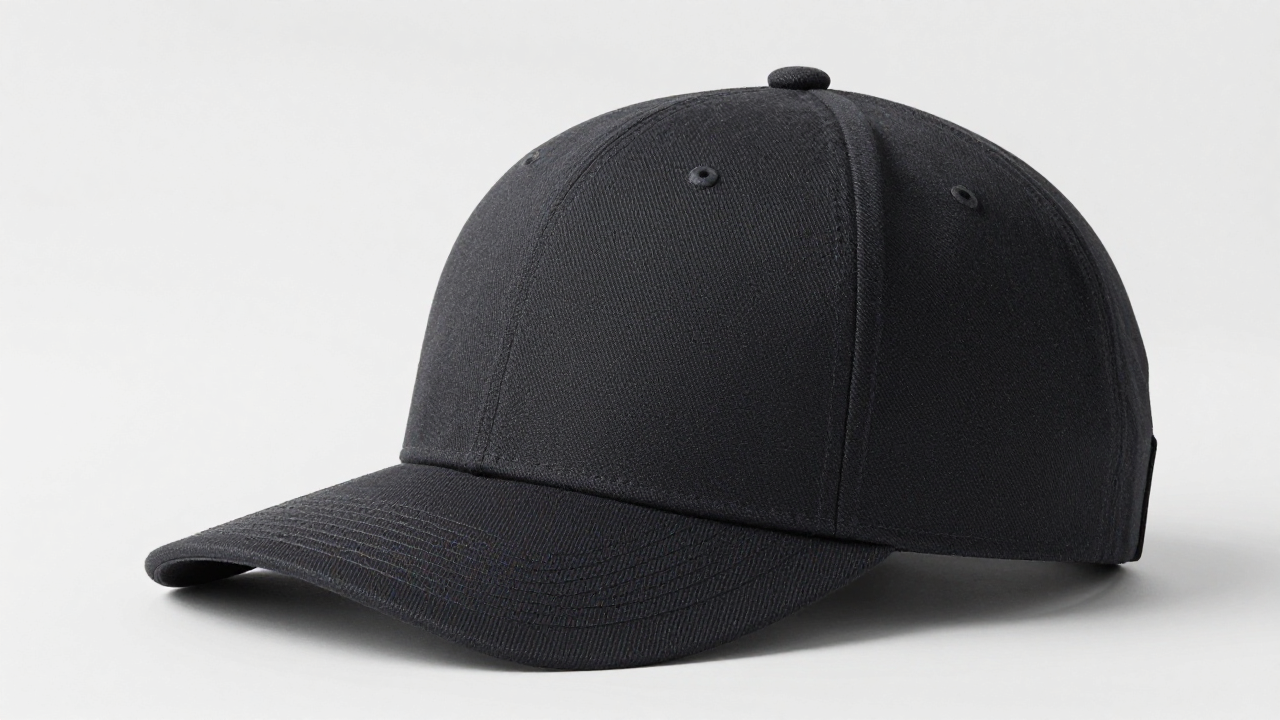
After fifteen years inside a China-based cap factory—New Generation, founded in 2008, now a full cut-and-sew headwear manufacturer—I still see buyers treat sourcing like a price hunt.…
That’s the quickest way to eat $30,000 in returns. In 2026, the cap factory market has split into three lanes: fully vertical cut-and-sew plants, contract decorators, and trading companies pretending to be factories. If you don’t know which one you’re dealing with, every quote below $2.50 FOB is a trap.
Read the Factory Before You Read the Catalog
This is not a factory ranking. It’s the order I run every new supplier through before sample money leaves the bank, plus the red flags I don’t negotiate on.
Cut-and-Sew or Decorator
The single most expensive mistake brands make is calling a decorator a cap factory. A decorator buys blank caps from a wholesaler and runs embroidery or screen printing. A real cap factory cuts fabric, sews the crown, sets the brim, and often handles finishing. The difference shows up in fit, crown collapse, and color consistency.
Domestic decorators in Los Angeles or Atlanta can turn around 72 pieces in 10 days, but they can’t fix a shallow crown or a crooked center seam. Overseas vertical plants need 4–6 weeks, but you control the brim curve and fabric weight. In 2026, many “factories” on sourcing platforms are actually trading companies buying from the same 20 plants. Ask for a live video call from the sewing floor. If the person holding the phone walks past embroidery machines with thread racks labeled by color code, you’re in a real cap factory. If they pan to an office and a sample shelf, walk.
What Actually Happens on the Floor
A standard 6-panel structured cap uses brushed cotton twill around 260 gsm. If a quote comes in at $1.80 landed for a full embroidered 6-panel with a pre-curved visor, the fabric weight has dropped below 200 gsm or the buckram is gone. A proper buckram fused to the crown front keeps shape through 40–50 wears. Without it, the crown collapses after one hot car ride.
We sent a competitor’s $2.10 cap to a third-party lab in Shenzhen in February 2025. The brim board was paperboard, not polyethylene. That brim delaminated after a single machine wash. It saved a Florida client from ordering 5,000 units.
Embroidery stitch count for a 2.5-inch front logo runs 8,000–12,000 stitches. Below 6,000, the logo looks thin and pulled after three washes. We run Barudan and Tajima machines at our plant. Thread tension gets set per fabric lot, not once a month. Any cap factory should be able to give you a stitch density report. If they don’t know what stitch density means, they’re not running the floor.
For unstructured cotton caps, water-based discharge screen printing gives a soft hand but adds $0.20–$0.35 per unit compared to plastisol. Heat transfer on foam trucker caps will crack after 20 washes. If you’re buying trucker caps for a summer drop, don’t let a decorator sell you heat transfer as the premium option.
Before I send sample money to a new cap factory, I run three gates. One: can they show me a cutting table video with dated raw material and a worker cutting panels? Two: is their sample room turnaround under seven days? Three: can they name their buckram weight, brim board material, and seam tape supplier off the top of their head? If any answer is vague, I stop and move to the next supplier.
How 2026’s Top Cap Factories Hold the Line
The top cap factories in 2026 don’t brag about price per unit. They talk about cost per sellable unit after defect returns and chargebacks.
These numbers come from purchase orders and factory audits I’ve reviewed across 2024 and 2025, not from a market report. July 2023, a Denver streetwear label ordered 6,000 black-and-white 6-panels from a plant in Dongguan. The quote was $1.72. The factory used unbranded buckram, skipped seam tape, and didn’t pre-wash the black twill. After one weekend in a Colorado summer, crowns collapsed and black dye bled onto white front panels. The buyer requested a $27,000 refund. The factory said the buyer approved the lower spec. Read the proforma invoice line items. If it doesn’t list buckram type, fabric weight, and lab test method, you didn’t approve anything.
That buyer called us in September 2023. We reworked the line with 8-oz cotton twill and polyethylene brim board. The next 4,000 units ran at a 2.1% defect rate.
Red Flags That Cost You Money
If I see one of these, I don’t negotiate. I walk.
Honestly, this whole thing can still go sideways even with a clean audit. In January 2025, a trucker cap order got held at Long Beach because the factory filed the wrong HTS code—one digit off on 6505.00.15 means a four-day hold and $4,200 in demurrage. The factory was solid. The paperwork wasn’t. You need both.
What Factory Content Tells You Before You Cut a PO
For trendsetter brands, content is how you judge a cap factory before sending a sample request. A factory’s Instagram or TikTok should show raw production, not renders. I look for 15-second clips of the cutting table with stacked panels, thread tension calibration, and QC inspectors using a 10x loupe. Those are hard to fake.
At New Generation, we started posting raw QC clips in April 2024. One video of our embroidery floor hitting 900 stitches per minute got organic reach from streetwear buyers in Atlanta and Los Angeles. Inbound sample requests grew 35% in Q3 2024. The video was shot on an iPhone, and the audio was mostly machine noise. That’s the point. Buyers don’t need another logo reveal. They need to see the brim curve after 48 hours in a hot box.
If you’re marketing hats to end consumers, work with micro-influencers who wear the cap through an actual wash cycle and film it. A 30-second clip of a hat surviving a washing machine does more than a spec sheet. But don’t get distracted—this section is really about reading a factory’s content before you cut a purchase order, not about building your own feed.
Burning Questions From Buyers
How do you choose the right cap factory for your brand?
Match order volume to facility type. If you’re doing 200 pieces for an event, don’t go to a vertical cap factory with a 500-per-color MOQ. Use a US decorator. If you’re scaling to 5,000 units a quarter, a vertical plant is the only way to control crown shape and cost per unit. Ask for the last three POs using the same fabric weight. If a factory can’t show a repeat order from a brand similar to yours, keep looking.
What should a 2026 cap factory quote include?
Fabric weight in gsm, buckram type, brim board material, embroidery stitch count, sweatband type, wash test method (AATCC 61 2A), sample timeline, production lead time, and QC inspection standard. If a quote says only “cotton twill, 6 panel, embroidery,” you’re not ready to cut a PO.
Are Chinese cap factories still competitive with Section 301 tariffs?
Yes, but only if you compare landed cost per sellable unit, not FOB. In early 2026, many woven caps from China still carry Section 301 tariffs unless an exclusion applies. Factor in 25% plus freight and customs brokerage. We’ve still had US brands land caps at $2.40–$3.10 all-in when the factory is vertical and the defect rate stays under 3%. A US contract decorator buying blanks at $3.50 plus decoration often can’t match that for runs over 2,000 units.
What trends are coming for cap factories in 2026 and beyond?
Two things matter: unstructured five-panels and non-PFAS water repellent finishes. Unstructured crowns use less buckram and are cheaper to cut, but they need pre-washed cotton to avoid shrinking after wash. For outdoor brands, C0 DWR on brims adds $0.15–$0.25 per unit but is becoming a retail requirement in California and Washington. Also watch 3D puff embroidery—it’s the biggest source of bad samples right now because stitch density has to drop by 20% to avoid thread breaks.
Sourcing from a cap factory is not about finding the cheapest quote. It’s about finding the one that won’t make you explain to your customers why the crown collapsed in July. That’s the showdown.








