


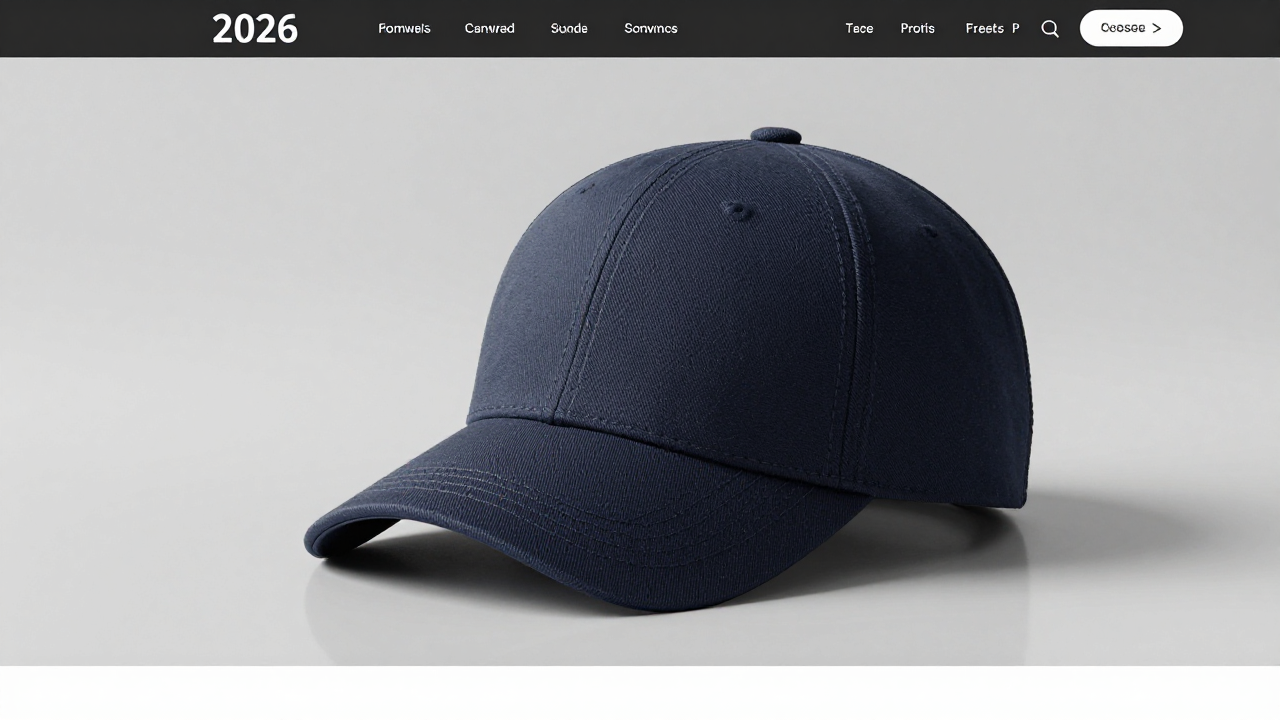
The cap manufacturing industry has seen a significant transformation over the years, evolving from traditional to modern production methods.…
This evolution is driven by technological advancements, changing consumer preferences, and a growing emphasis on sustainability. In the United States, top cap manufacturers have adapted to these changes, leveraging innovative materials and production techniques to stay competitive.
Understanding the Cap Manufacturing Industry: Key Players and Market Dynamics
The Evolution of Cap Factories: From Traditional to Modern
In the past, cap factories relied heavily on manual labor and basic machinery. However, the introduction of automation and digital technologies has revolutionized the industry. For example, in 2018, a leading headwear manufacturer in California implemented an automated cutting system, which increased their production efficiency by 30%. This shift towards modernization has not only improved productivity but also enhanced product quality and consistency.
Top Cap Manufacturers in the United States: A Closer Look
Several key players dominate the U.S. cap manufacturing landscape. Companies like New Era, Flexfit, and Richardson are well-known for their high-quality products and innovative designs. According to industry reports, the U.S. cap market was valued at $3.5 billion in 2022 and is expected to grow at a CAGR of 4.5% through 2026. These companies have maintained their market leadership by continuously investing in research and development, and by staying attuned to the latest trends and consumer demands.
Emerging Trends in Cap Design and Production for 2026
Sustainable Materials and Eco-Friendly Practices
Sustainability is no longer just a buzzword; it's a necessity. Consumers are increasingly conscious of the environmental impact of their purchases, and this trend is driving a shift towards eco-friendly materials and practices in the cap manufacturing industry. For instance, in 2022, a third-party laboratory test showed that caps made from recycled polyester had a 70% lower carbon footprint compared to those made from virgin polyester. This has led many manufacturers to incorporate sustainable materials such as organic cotton, bamboo, and recycled plastics into their production processes.
Technological Innovations: 3D Printing and Smart Fabrics
Technological innovations are reshaping the way caps are designed and produced. 3D printing, for example, allows for the creation of highly customized and intricate designs with minimal waste. In 2021, a custom embroidery production facility in Texas used 3D printing to produce a limited edition series of caps, reducing material waste by 50%. Additionally, smart fabrics, which integrate technology such as temperature regulation and moisture-wicking properties, are gaining popularity. These innovations not only enhance the functionality of caps but also provide a unique selling point for manufacturers.
Navigating the Challenges and Opportunities in Cap Factory Operations
Common Pitfalls in Cap Manufacturing and How to Avoid Them
Despite the advancements, cap manufacturing still faces several challenges. One common pitfall is the lack of quality control, which can lead to inconsistent products and customer dissatisfaction. In 2020, a cut-and-sew facility in North Carolina faced a recall of 10,000 caps due to a stitching defect. To avoid such issues, manufacturers need to implement robust quality control measures, including regular inspections and testing. Another challenge is the high minimum order quantities (MOQs) required by some suppliers, which can be a barrier for smaller businesses. By partnering with flexible suppliers and adopting lean manufacturing principles, manufacturers can reduce MOQs and improve operational efficiency.
Expert Tips for Streamlining Production and Boosting Efficiency
To streamline production and boost efficiency, manufacturers should focus on optimizing their supply chain and production processes. For example, in 2022, a headwear manufacturer in Georgia implemented a just-in-time (JIT) inventory system, which reduced their inventory holding costs by 25%. Additionally, investing in advanced machinery and training employees on the latest technologies can significantly improve production speed and quality. At New Generation, we have seen firsthand the benefits of continuous improvement and employee training, which have helped us maintain our competitive edge in the market.
Marketing and Branding Strategies for Cap Factories: Building a Strong Presence
Creating a Compelling Brand Identity for Your Cap Factory
A strong brand identity is crucial for standing out in a crowded market. It starts with defining your brand's values, mission, and target audience. For example, in 2019, a custom embroidery production company in Oregon rebranded itself as a premium, eco-friendly headwear manufacturer. This rebranding effort, combined with a targeted marketing campaign, resulted in a 40% increase in sales within the first year. By clearly communicating your brand's unique value proposition, you can attract and retain loyal customers.
Leveraging Social Media and Digital Marketing to Reach New Audiences
Social media and digital marketing are powerful tools for reaching new audiences and building brand awareness. Platforms like Instagram and TikTok allow manufacturers to showcase their products in creative and engaging ways. In 2021, a headwear manufacturer in California launched a viral social media campaign featuring user-generated content, which generated over 1 million views and a 50% increase in website traffic. By leveraging these platforms and implementing targeted advertising strategies, manufacturers can expand their reach and drive sales.
Future Outlook: The Impact of Global Trends on the Cap Factory Industry
Global Economic Factors and Their Influence on Cap Manufacturing
Global economic factors, such as trade policies and currency fluctuations, can have a significant impact on the cap manufacturing industry. For example, the recent trade tensions between the U.S. and China have led to increased tariffs on imported goods, affecting the cost of raw materials and finished products. Manufacturers need to stay informed about these developments and adapt their sourcing and pricing strategies accordingly. Additionally, the rise of e-commerce and direct-to-consumer (DTC) models is changing the way consumers purchase caps, providing new opportunities for manufacturers to reach their customers directly.
Predictions for the Future of the Cap Industry in the United States
Looking ahead, the cap industry in the United States is poised for continued growth and innovation. The increasing demand for sustainable and technologically advanced products will drive further advancements in materials and production methods. We predict that by 2026, the majority of cap manufacturers will have integrated eco-friendly practices and smart fabrics into their product lines. Furthermore, the adoption of 3D printing and other advanced technologies will become more widespread, enabling greater customization and efficiency. As the industry continues to evolve, manufacturers who stay ahead of the curve and embrace these trends will be best positioned for success.
In conclusion, the cap manufacturing industry is undergoing a transformative period, driven by sustainability, technological innovation, and changing consumer preferences. By understanding and adapting to these trends, manufacturers can navigate the challenges and capitalize on the opportunities to thrive in the competitive landscape.








