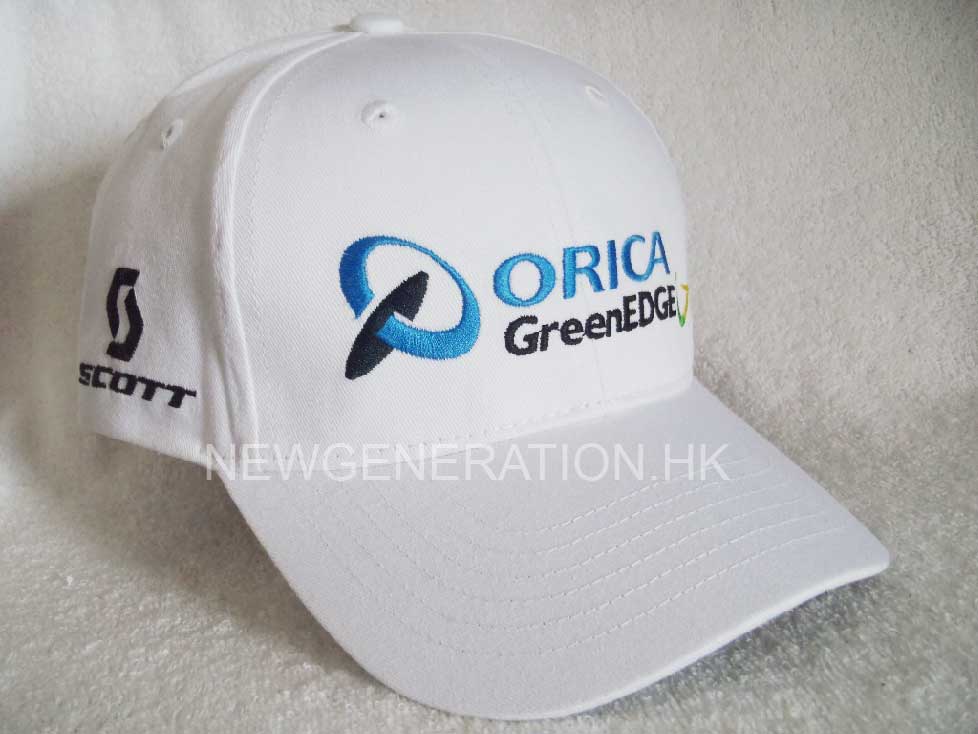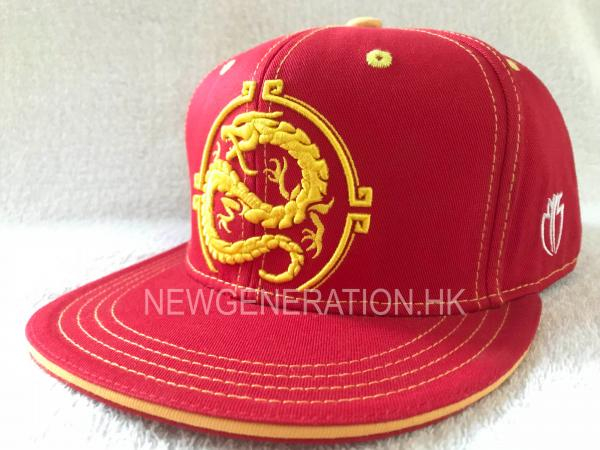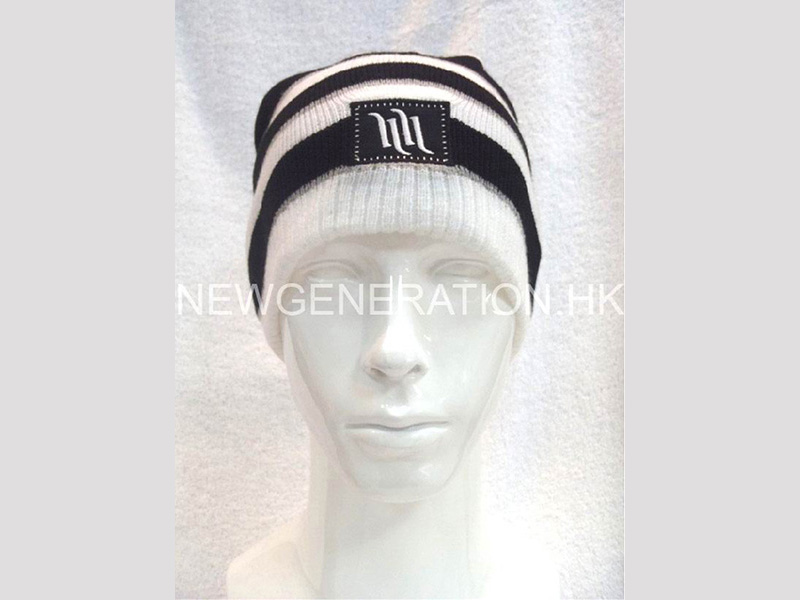


Running a cap factory in 2026 isn’t about who owns the most embroidery machines. It’s about who reads the shifting ground under their feet before the floor collapses. I’ve been inside this industry since 2008, when New Generation started as a 12-person cutting table in a shared workshop. What shocks me isn’t how fast things change — it’s how many shops, big and small, repeat the same $100,000 mistakes every season because they treat trends like a buzzword list instead of a survival manual. The five trends below aren’t theory. They’re splattered across factory floors, customs invoices, and panic text threads from 3 a.m. phone calls I’ve received over the years.
How a California Brand Lost 30,000 Hats and a Summer of Sales
In March 2023, an apparel brand out of San Diego — let’s call them Pacific Standard — placed 30,000 five-panel caps with a low-cost factory overseas. The supplier assured them the water-resistant finish was “standard DWR.” What Pacific Standard didn’t know was that the treatment contained PFAS concentrations well above California’s Prop 65 thresholds, a regulation their compliance team had flagged but never enforced at the cut-and-sew level. When the shipment hit the Port of Long Beach, a random container inspection flagged the caps. Every single unit was quarantined. Pacific Standard’s entire summer drop, built around those hats, evaporated.
The financial wound was just the start. They had to pay for destruction fees, miss their delivery windows to 200 retail doors, and lose shelf space to competitors who could supply CPSC-compliant headwear on time. I watched this unfold from the sidelines because we ended up taking their desperate re-order two weeks later — only 4,000 pieces that we air-freighted, but it couldn’t save their summer.
The lesson isn’t “use eco materials.” It’s this: if your cap factory can’t immediately produce a sworn statement detailing the chemical inputs in every finishing agent, and if you don’t have third-party lab results from the last 12 months showing compliance with California, New York, and EU REACH standards, you are one spot inspection away from bankruptcy. At our own facility, we now keep a living document of restricted substance tests for all 7 stock fabrics and every coating, updated quarterly. Not fun paperwork, but neither is watching 30,000 hats get shredded.
The $40,000 Embroidery Machine That Almost Bankrupted a Texas Factory
February 2022. A factory just outside Fort Worth invested heavily in a bank of six-head automatic embroidery machines, believing automation alone would double throughput. They ran the entire baseball cap line through the new setup without retraining operators, assuming the “smart” tension system would handle varying stitch densities on structured fronts. Within ten days, 800 dozen caps came off the line with puckering so severe around the eyelets the crowns looked twisted. The scrap rate hit 22% on a 50,000-unit PO for a regional convenience store chain. Material waste alone surpassed $40,000, not counting the man-hours spent troubleshooting.
Over-automation without a stage-gate process burns factories every year. I’ve found that embroidery floor leads need a 4-week parallel running window where new machines run alongside the old ones, wearing in the hooping jigs, testing thread breaks per 1,000 stitches under real humidity. At New Generation, we track a metric called “stitch quality deviation” on structured cotton twill caps — typical allowed variance is ±0.2 mm on a 3.5 mm stitch length. Anything wider, and the fabric bunches. That number takes time to stabilize, regardless of what the machine manual promises. If you force the ramp-up, you’re betting with your customers’ trust.
The E-commerce Brand That Left $150,000 on the Table Over Minimums
December 2021 crushed a promising DTC headwear brand out of Denver, Peak & Thread. They ran a brilliant Instagram campaign for custom embroidered beanies, letting customers upload their own trail names and a mountain silhouette. Orders blew past 12,000 units in six days. Their supplier, a large overseas cut-and-sew operation, enforced a 1,200-piece minimum per design SKU, meaning each personalized beanie had to be grouped into batches. The lead time exploded to nine weeks. Customer chargebacks and cancelations wiped out an estimated $150,000 in revenue, and the brand’s holiday email list turned into a complaint hotline.
Peak & Thread eventually found us in January 2022, shell-shocked. We had already moved our embroidery digitizing workflow to handle single-unit custom names on knit beanies — we call it “zero-MOQ personalization” internally, though in reality the minimum is one piece. Our digitizers can process a new text string and map it onto a beanie panel in under 12 minutes, using a macro library that pre-maps the curvature of a 6-gauge knit. The key for any cap factory considering on-demand personalization is to decouple digitizing cost from run length. If your cost per stitch goes up linearly with personalization, the economics break. We invested in semi-automated color sorting and sequence optimization so small-run embroidery doesn’t strangle your floor with constant thread changes. The fix wasn’t a machine — it was workflow architecture.
The Chicago Wholesaler Who Discovered Tariffs Are a Cash Flow Weapon
September 2019. The USTR implemented a 15% tariff on List 4 goods from China, which suddenly caught classic baseball caps made of cotton twill. A wholesaler in Chicago, Midwest Headwear Co., had been importing 100% from a single factory in Qingdao for years. Their landed cost on a basic unstructured cotton cap jumped from $2.80 to $3.22 literally overnight. Because they ran on thin 8% net margins and had no alternative sourcing in place, each container now lost money. I got a call from their owner in early October 2019, not to talk strategy, but to ask if we’d buy 40,000 caps stuck in a warehouse in Joliet at a dollar a piece. I declined. Their cash flow broke by November.
The takeaway here is structure, not sourcing slogans. Any cap factory serving U.S. accounts needs a living tariff-risk matrix that maps product categories (6505.00 for hats) against potential duty changes and origin alternatives. Most ignore the existence of Chapter 98 provisions or the USMCA de minimis shifts for caps with regional knit components. At our shop, we model three supply chain configurations for every major account: one all-China baseline, one split with partial post-embroidery assembly in Mexico or DR-CAFTA zones, and one all-ASEAN backup, even if the per-unit cost of the backup is 12-15% higher. The backup doesn’t have to run active — it just has to be audited, certified, and ready when the next tariff tweet drops.
Why a Colorado Factory’s $200,000 Fluorescent Fabric Bet Failed
August 2024. A mid-sized headwear manufacturer in Boulder, Colorado, placed a massive raw fabric order for neon pink, blaze orange, and electric green polyester twill, convinced the outdoor market would double down on high-vis colors for the 2025 spring run. They stocked nearly $200,000 worth of material. By the time the pre-books came in from retailers in late October, the trend had pivoted hard into muted earth tones and undyed organic cotton. The fabric sat. In March 2025, I heard through a textile rep that they unloaded the neon stock at 30 cents on the dollar to a liquidator.
This pathetic story repeats every eighteen months. The mistake isn’t forecasting — it’s being married to a single market signal. A competent cap factory today uses a fabric hedging strategy: commit no more than 60% of seasonal raw material spend to speculative color buys 90 days before production, maintain a flexible “greige goods” reserve of base materials that can be piece-dyed quickly (our typical turnaround for custom piece-dyed cotton twill caps is 18-22 days), and, crucially, keep weekly tabs on what’s actually reordering at the SKU level from at least three distinct distribution channels. I won’t pretend we haven’t been burned by leftover camouflage fabric ourselves in 2016. Now, we treat any color with a trend lifespan shorter than six months as a risk position, not inventory.
The cap factory that survives 2026 won’t be the one with the newest Instagrammable showroom or the fastest stitching speed. It’ll be the one whose owner knows exactly which of these five disasters they’re closest to — and has already made the small adjustments that cost a fraction of the ambulance bill. If you’re running low on 3 a.m. panic calls, I’d say you’re doing something right. If not, one of these scenarios is probably already loading.