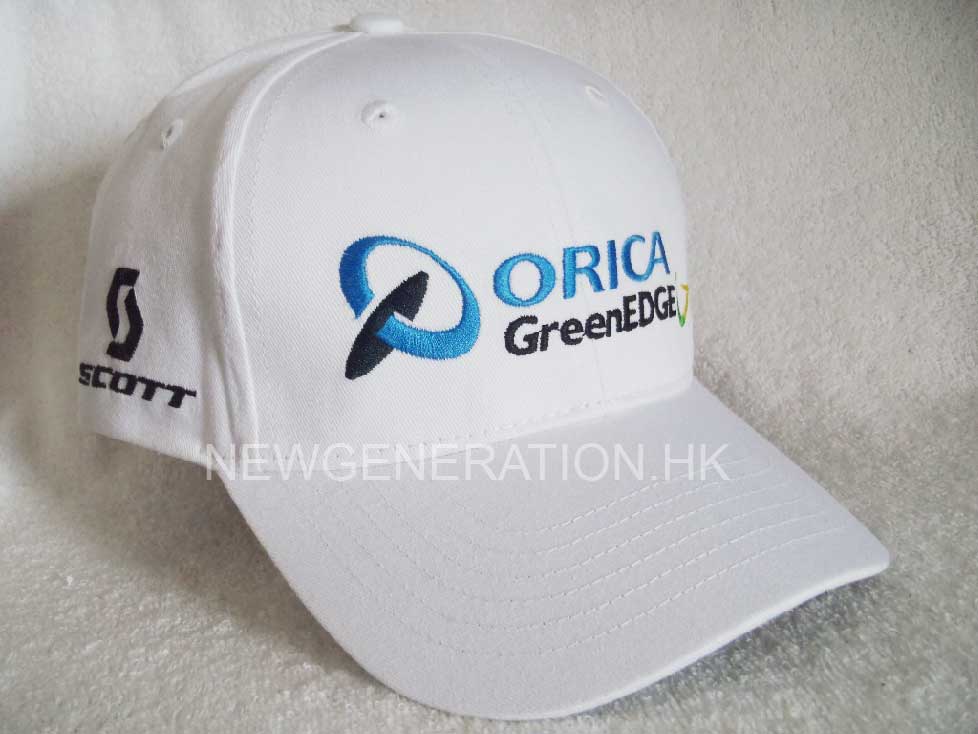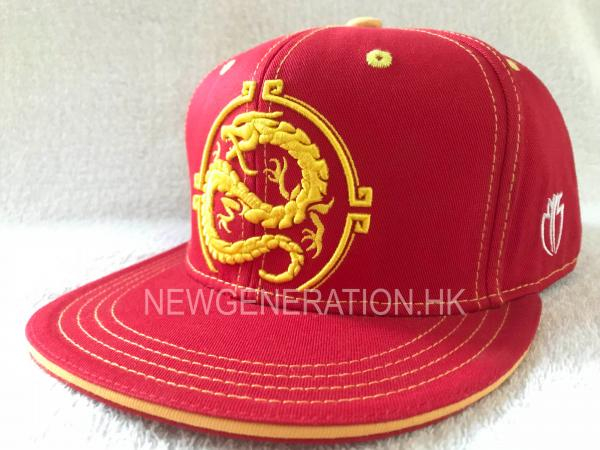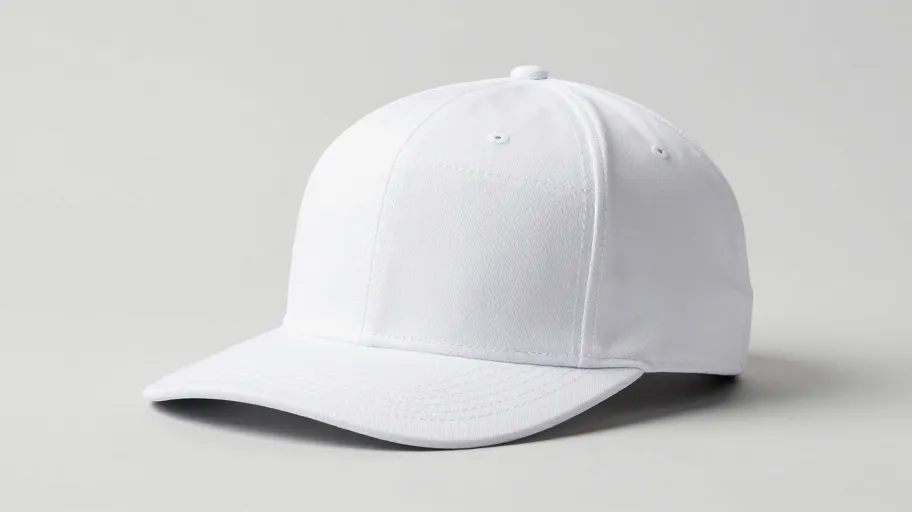
The number of panels in a baseball cap isn’t just about looks—it’s a make-or-break decision for sourcing speed, scalability, and brand trust. 5-panel vs 6-panel shapes your entire supply chain story.
Why panel count is your brand’s first supply chain test
Choosing between 5-panel and 6-panel caps means more than picking a silhouette—it determines which factories can produce your design, how fast you scale, and whether your samples reflect real-world quality. The wrong choice leads to delayed launches, inflated defect rates, or MOQs that blow past demand forecasts.
A 5-panel cap’s minimalist build means faster turnaround and lower minimums because fewer seams simplify cutting and stitching. That’s ideal for DTC brands testing limited drops. We’ve seen streetwear labels cut sample-to-production timelines by nearly 40% using small-batch networks in Vietnam. But this simplicity hides a catch: curved front panels demand precise embroidery tension. Factories without specialized fixtures deliver puckered logos—killing brand credibility before launch.
Meanwhile, 6-panel caps offer better crown shaping and fit consistency across head sizes because the extra seam allows tighter control over geometry. This means fewer returns and stronger retailer confidence—critical for broad distribution. According to the Apparel Insights 2024 Supply Chain Benchmark, 6-panel designs dominate 78% of mainstream retail volume not because they’re trendier, but because their standardized structure supports mass production with tight tolerances.
How factory tiers match panel complexity
Not all cap factory partners handle both styles equally. The gap lies in machinery, training, and process controls tailored to structural demands.
- 5-panel caps require mastery in curved-seam welding and front-panel stabilization—skills common in mid-tier Southeast Asian facilities focused on fashion accessories. These shops thrive on agility, offering MOQs as low as 200 units and fast sampling cycles.
- 6-panel caps demand precision in multi-piece assembly, brim insertion, and post-stitch steaming to lock in dome shape—capabilities found mostly in vertically integrated plants serving major sportswear brands. These Tier-1 suppliers manage complex fabrics, automated embroidery lines, and compliance audits needed for global markets.
Mismatching design and capability costs money. Pushing a 5-panel style through a high-volume 6-panel line often results in inconsistent stitch density. Asking a boutique workshop to build a performance-grade 6-panel trucker hat may expose gaps in durability testing or documentation. Either error delays timelines and erodes trust.
Smart brands map suppliers along technical readiness tiers. Micro-factories test 5-panel concepts via sample free baseball caps. Mid-tier partners scale to 2,500-unit runs. Top-tier OEMs handle 10,000+ MOQs with ISO-certified workflows. This tiered approach de-risks scaling while preserving creative control.
Free samples are risk control tools, not just cost savers
Sample free baseball caps aren’t marketing gimmicks—they’re validation checkpoints that prevent six-figure mistakes. A recent analysis of 120 emerging labels showed those using vetted sample exchanges reduced prototyping costs by 62% on average. More importantly, they avoided costly re-runs post-MOQ, where corrections increase unit costs by up to 35% due to press-down adjustments and secondary QC passes.
These programs let you verify brim curvature, seam alignment, and embroidery accuracy before locking in tooling. One client discovered their logo distorted only at the crown seam during sampling—fixing it early saved $18K in wasted inventory. Another confirmed moisture-wicking fabric held shape after steaming, avoiding a product failure in humid climates.
For decision-makers, this means faster go-to-market with lower financial exposure. For executives, it translates to smarter capital allocation and fewer fire drills. And for engineers, it ensures final production matches spec—not hope.
The future is hybrid, so your sourcing must be flexible
Today’s winning designs blur old categories: 5-panel caps with structured fronts, 6-panel silhouettes in recycled yarns, snapbacks with performance linings. These hybrids demand sourcing strategies built on capability, not legacy relationships.
Brands that win will dynamically align panel choices with evolving manufacturer strengths. They’ll use data-driven assessments—not gut feel—to match design phase with supplier tier. A lifestyle brand might prototype a retro 5-panel with a Vietnamese micro-factory, then shift to Malaysian mid-tier production for launch. A fitness label could validate sweat-resistant 6-panel hats with a Chinese OEM using laser-cut foam brims and real-world wear testing before committing to volume.
In this environment, access to a curated network of baseball cap manufacturer partners becomes a competitive advantage. It’s no longer just logistics—it’s part of your innovation engine. Because the right cap isn’t just the one that looks best. It’s the one you can produce accurately, repeatedly, and exactly when demand hits.
#cap manufacturers china, #headwear manufacturers china, #cap factory