

The P.A.T.C.H. Framework
Use these five levers before you commit to a decoration method. They are designed to be answerable inside a normal sourcing conversation, and to give procurement something they can document.
P — Precision of the Artwork
How small is the smallest legible element? Logos with thin strokes, serifs, 4-point-equivalent text or registered marks usually fail under thread but resolve cleanly in a woven patch or an engraved leather patch.
A — Application on the Cap
Where does the logo sit — front crown, side, back closure, or above the visor? A curved front panel tolerates a different size and method than a flat side panel or a strap. Confirm the seam allowance and panel structure before specifying the method.
T — Tactile Identity
What should the brand feel in the hand? Embroidery is raised and textural; a woven patch is flat, thin and crisp; a leather patch can be debossed, embossed or flat-laid. The tactile choice is a brand decision, not a sourcing one — surface it early.
C — Cost Ceiling Per Unit
Each method carries a different cost geometry: thread count and stitch density for embroidery; patch size and edge finish for woven; hide use, deboss tooling and attachment for leather. Document what your program can absorb before you sample.
H — Hand-off and Approval
How will your stakeholders sign off? Embroidery needs a sew-out approval; woven needs a physical patch sample; leather needs color and deboss depth approval. Pick the method whose approval artifacts your team can actually review in time.
Three Methods — Side by Side
Embroidery
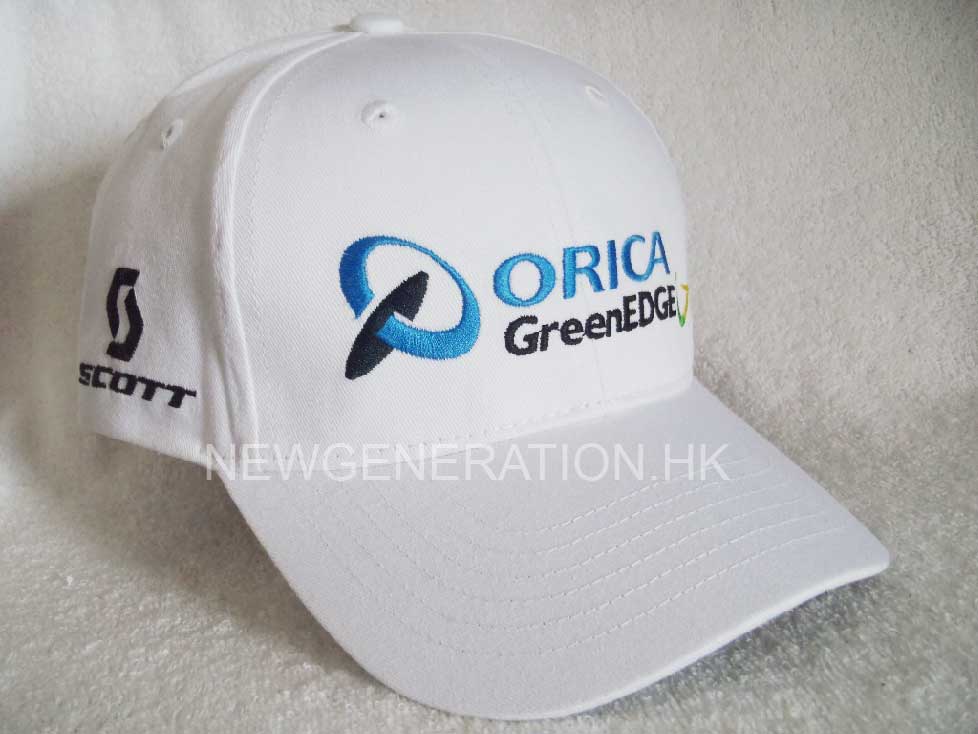
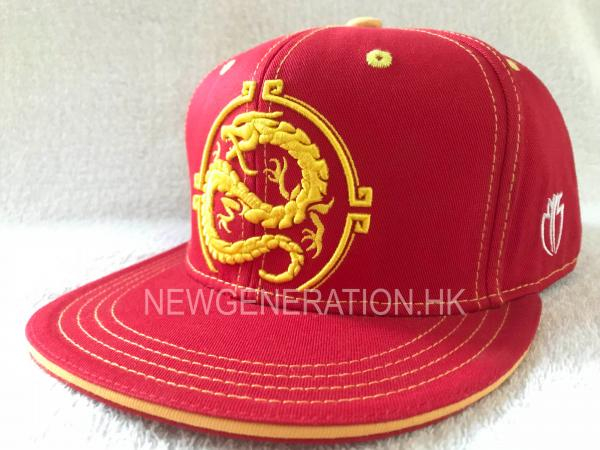
Thread stitched directly into the cap panel. Embroidery is the default for structured caps with bold, brand-forward logos. Its weaknesses are small text (typically anything below a legibility threshold you should confirm with your sewing team), gradients that thread cannot reproduce, and distortion on lightweight or unstructured panels where the fabric puckers under stitch tension. For a custom embroidered caps wholesale run, embroidery is the right starting point when the artwork is geometric, the panel is structured, and the brand wants texture over precision.
Woven Patch
A separate label woven from yarn, then attached to the cap. Because the patch is woven as a single piece, it holds fine lines and small text that embroidery cannot. The patch is thinner and flatter than embroidery, sits neatly on smaller panels and side placements, and the attachment edge can be sewn, heat-sealed or merrowed. The risk to verify is attachment integrity after washing and the visual difference between patch color and cap fabric under daylight.
Leather Patch
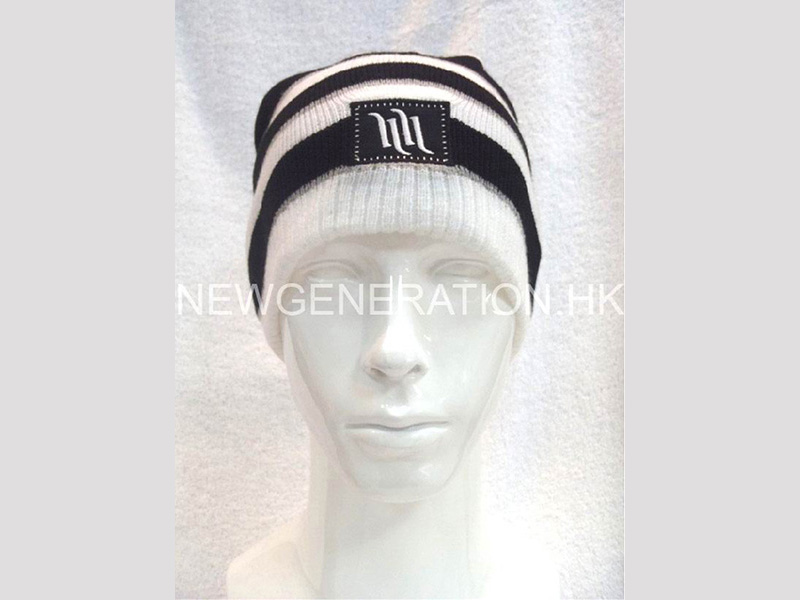
A separate label cut from leather or a leather-grade substrate, then debossed, embossed or printed and attached — usually with a lockstitch, rivet or adhesive bond. Leather patches signal premium, workwear and outdoor positioning. They suit logos with bold silhouettes rather than intricate detail, and they pair naturally with dad caps, snapbacks and five-panel caps where the brand wants a tactile anchor. Confirm hide origin and any compliance claims with your vendor before spec; do not assume a generic "leather" label is acceptable to your compliance team.
Decision Table
| Criterion | Embroidery | Woven patch | Leather patch |
|---|---|---|---|
| Best artwork fit | Bold, mid-detail logos | Fine lines, small text, multi-color | Bold silhouettes, monochrome, premium feel |
| Typical cap placement | Front crown, structured panel | Side, back, small front panel | Front crown, sometimes side |
| Tactile result | Raised, textured | Flat, thin, crisp | Debossed or embossed, firm |
| Durability risk to verify | Thread thinning at high wash cycles | Attachment edge after industrial wash | Bond or stitching integrity, hide cracking |
| Sample to approve before bulk | Physical sew-out on the actual cap | Physical patch sample, attached | Color and deboss depth sample |
| Common approval failure | Small text unreadable in thread | Patch color mismatch with cap fabric | Compliance or hide-origin question |
| Best when… | Brand wants texture and the artwork supports thread | Logo has detail thread cannot reproduce | Positioning is premium, workwear or lifestyle |
Approval Questions to Use Before Sampling
These questions are written so you can hand them to design, procurement and compliance in one document. Use them as a checklist on the first sample round.
- Precision: What is the smallest text or thinnest line in the logo, and is it within the legibility threshold for the chosen method?
- Application: Which cap panel will carry the logo, and is that panel structured, unstructured, curved or flat?
- Tactile identity: Has the brand owner confirmed whether the touch-feel should be raised, flat or debossed?
- Color match: How will color be matched across the decoration, the cap fabric and the sweatband? Has the brand owner signed off on the color reference?
- Attachment: For patches, which attachment method will be used, and how does it behave after the cap's expected washing routine?
- Compliance: For leather, has the hide origin and any associated documentation been requested from the vendor in writing?
- Approval artifacts: Which physical sample (sew-out, patch sample, deboss sample) does the brand need before bulk, and who signs off?
Frequently Asked Questions
Which method lasts longest after industrial or repeated washing?
Durability depends on two things: the decoration itself and the attachment. Embroidery thread can thin at high-density stitch points; woven patches can fail at the attachment edge; leather can crack or delaminate if the bond is wrong. Ask your vendor for documented wash behaviour for the specific method and attachment you plan to use, and confirm it on the actual cap fabric before bulk.
Can the same logo be produced in all three methods?
Often yes, but not always with equal results. A logo designed for thread may look heavy as a debossed leather patch; a logo designed for fine woven detail may lose presence when embroidered. If the same logo must run across multiple cap programs and methods, design a primary version and a method-specific simplified version, and document both in your brand book.
How do I confirm colors will match across methods?
Match each method to a physical color reference — a thread card for embroidery, a yarn card for woven, a hide swatch for leather — and approve a physical sample for each. Do not approve color from a screen alone. Document the approved reference so bulk production has a single source of truth.
What artwork file should I prepare?
Prepare a vector source file with all text outlined, plus a separate file showing the exact size on the cap panel. Include Pantone references, the minimum legible element, and a note on the smallest size at which the logo must stay readable. The richer the spec, the lower the sample risk across all three methods.
Get the Craft Brief
The working document behind this article: the P.A.T.C.H. framework, the decision table, the approval questions and a pre-spec checklist your design, procurement and compliance stakeholders can share. Use it to align internal teams before you sample, and to keep a record of what was approved.
Get the Craft Brief →Pre-spec checklist (no sign-up, low friction): before you request any sample, write down the logo's smallest element, the target cap panel, the expected wash routine, the approved color reference and the named approver. Five lines, one page — and you will catch most sampling mistakes before they cost a production slot.