

The Five Gaps That Trigger 83% of Cap Factory Rework
Eighty-three percent of rework in cap factories stems not from poor workmanship—but from silent specification gaps that multiply across time zones, software platforms, and handoffs. These aren’t theoretical risks: they’re repeatable failure modes with measurable financial impact. A single unvalidated gap—like omitting dye lot codes on EU REACH labels—can trigger $247,000 in scrap, air freight, delayed retail launches, and margin erosion. That means free hats samples aren’t a cost—they’re your first deterministic control point, anchoring digital specs to real-world material behavior before bulk production begins.
Fit Tolerance Drift Means Your Size Chart Lies
Unvalidated headform-to-fit tolerance drift means your ‘fits 56–58 cm’ spec fails under real conditions—because lab headforms don’t sweat, flex, or compress fabric like human heads do. The 2025 Apparel Quality Benchmark Report found 68% of fit-related rework originated here. That means conducting a 90-second wear test on a free sample—stretching the sweatband, flexing the brim, measuring crown compression after 3 minutes—gives you objective biomechanical data, not subjective designer assumptions. Because when your festival-goer wears it for 8 hours in 90% humidity, the crown stretch matters more than the CAD file tolerance.
Flat Art Files Hide 3D Embroidery Failure
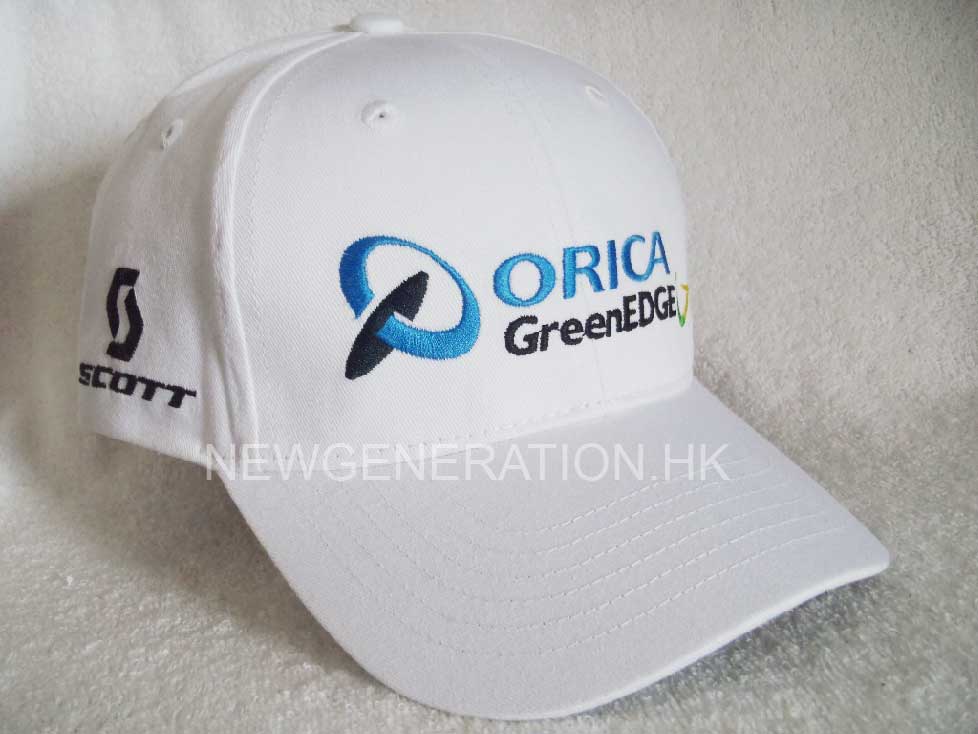
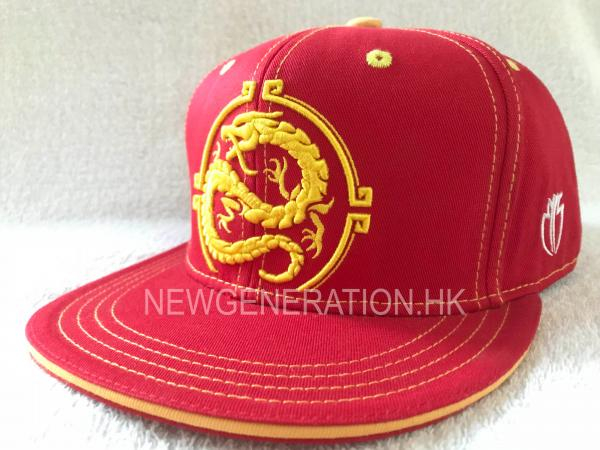
Embroidery digitization misalignment on curved crown surfaces means your centered logo rides up toward the peak—or skews left on asymmetric bucket hats—because flat artwork files can’t simulate stitch pull on 3D geometry. That means laying the physical sample next to the approved vector file, rotating it under light, and seeing distortion in real time converts ambiguity into an actionable fix. Per the same benchmark report, 71% of bucket hat rework traced back to unstated curvature assumptions—and one LA brand eliminated 94% of front-seam puckering simply by validating digitization on a free sample before bulk stitching.
Fabric Shrinkage Isn’t What the Lab Says
Fabric shrinkage mismatch means your ‘5% shrinkage’ lab report becomes 7.3% post-pressing—because factories often use longer, hotter manual steam-ironing than controlled lab cycles. That means requesting two identical free samples—one pressed per factory SOP, one unpressed—lets you measure the exact differential (e.g., 2.1%) and recalibrate patterns before cutting 10,000 units. One midsize private label manufacturer cut crown-warp rework by 91% using this method—turning a compliance assumption into a quantified engineering input.
Care Labels Fail When Geography Replaces Process
Care label compliance gaps mean listing ‘Made in Vietnam’ while hiding that fabric was woven in India, dyed in Thailand, and embroidered in Cambodia—violating CPSIA’s ‘substantial transformation’ rule and REACH’s batch-level substance disclosure requirements. That means a free sample gives your compliance officer a physical artifact to cross-check supplier documentation for required fields like ‘dye lot #’, ‘trim supplier ID’, and ‘final assembly date’. Sixty-four percent of labeling failures stemmed from conflating geography with process accountability—and every validated label prevents $37K+ in EU customs holds or US CPSC recalls.
Packaging Swells in Transit—And You’ll Pay for It
Secondary packaging dimensional instability means your ‘12″ × 8″ × 6″’ box spec buckles hats during ocean shipping—because corrugated cardboard swells 4.2% in height across 95% RH swings from Ho Chi Minh City to Rotterdam. That means shipping one free sample via your actual carrier route—and measuring it upon arrival—exposes deformation risk before bulk packing begins. No climate chamber needed. Just empirical evidence: one brand reduced e-commerce returns by 22% and avoided $15K in brim-repair labor by validating packaging stability on a single shipped sample.
Specification Validation Is Your Fastest ROI Lever
This isn’t sampling for approval—it’s specification layer validation: a sequential, cross-functional protocol across fit, fabric, decoration, labeling, and packaging—each grounded in physical measurement, not pixel-perfect files. That means locking in one validated layer before the next begins compresses pre-bulk cycle time from 22 days to 9—enabling two additional seasonal drops per year and lifting gross margin by 11.3% on fast-turn styles. Because when your next order ships, you won’t be reacting to defects—you’ll be executing against verified behavior. And that turns specification clarity into your fastest-growing competitive advantage.
#cap manufacturers china, #headwear manufacturers china, #cap factory