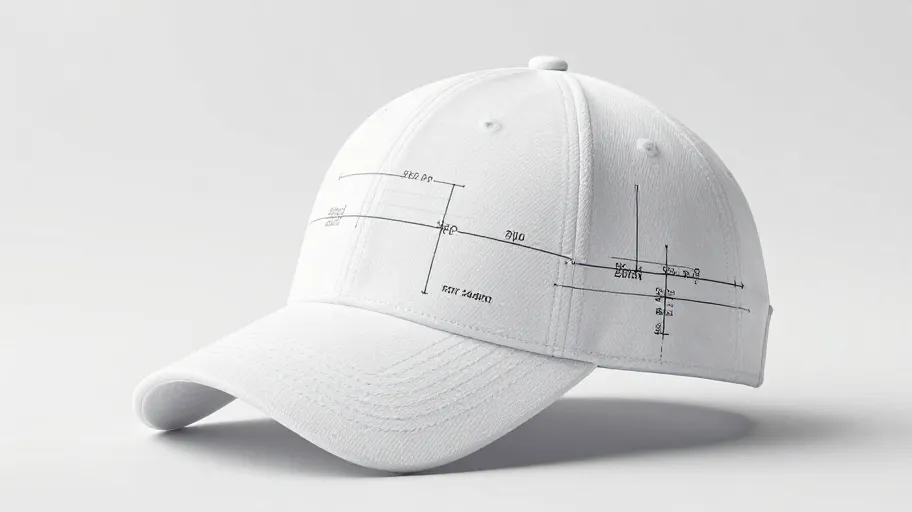
A hat tech pack isn’t just paperwork—it’s the blueprint that keeps your cap factory and design team speaking the same language. Without it, mistakes multiply, costs spike, and launches derail.
- One missing spec can scrap a 50,000-unit batch
- Standardized packs cut rework by up to 70%
- Faster approvals mean getting hats to market in half the time
Why miscommunication hits cap factories where it hurts
When a cap factory in Vietnam approved production of 50,000 snapbacks for a major streetwear label, they moved fast—only to learn the stitching was off by two stitches per inch and the brim curvature didn’t match the prototype. The entire run was scrapped. The loss? Over $420,000 in materials, labor, and delayed shipments. This kind of failure isn’t rare. Poor communication between designers and manufacturers costs the global headwear industry an estimated $180 million annually in rework, delays, and lost trust.
The root issue: unstructured communication. Scattered emails, hand-drawn sketches, and verbal approvals leave too much open to interpretation. A 2024 supply chain benchmark found factories using informal methods face first-run error rates as high as 27%. In contrast, those using structured hat tech packs reduce defects by up to 68%. That precision matters because every millimeter impacts fit, feel, and brand consistency.
Thread count specified as “medium” means nothing on a factory floor. But stating “12 stitches per linear inch, ±1 tolerance” means clear instructions. Embedding Pantone codes with acceptable deviation ranges, defining brim radius in measurable degrees, and locking fabric shrinkage data—all these details prevent guesswork. When specs are exact, a snapback made in Mexico performs identically to one made in Bangladesh. Reproducibility becomes guaranteed, not accidental. Fewer revisions, faster sign-offs, and fewer six-figure write-offs follow.
What makes a tech pack essential for snapback manufacturers
A U.S.-based snapback manufacturer receives a tech pack from a Berlin brand at 9:03 AM. By 10:45 AM, cutting patterns are loaded, embroidery files verified, and the first prototype is underway. No back-and-forth. No clarification requests. That speed comes from having everything needed in one place—a complete hat tech pack.
Without it, small gaps become big problems. Missing shrinkage tolerance throws off panel alignment. Unverified digitization forces rework. But a full tech pack includes non-negotiables: bill shape templates matched to foam stiffness, lab-validated pre-shrink data, machine-ready embroidery files optimized for stitch count, and hardware placement marked to the millimeter. These aren’t suggestions—they’re enforceable specs that align manufacturing precision with brand intent.
This level of detail means bill shape calibration directly affects structural integrity during mass production. That matters because inconsistent curvature leads to customer returns. Verified pre-shrink data means fabric stability is predictable, so panels stay aligned after washing. Machine-ready embroidery files reduce thread breaks and downtime. Together, these elements mean faster setup, fewer errors, and higher yield.
Data backs this up: manufacturers using full tech packs reduce setup time by 40–60%, according to a 2024 efficiency study across 17 contract producers. That translates to two fewer sampling rounds per style and a 28% increase in first-pass production yield. For a mid-sized cap factory running 120 SKUs a year, that’s over $185,000 saved in remake costs and faster time-to-market.
How brands win time with standardized documentation
Speed in fashion isn’t about rushing—it’s about syncing. Brand A uses scattered emails, sketches, and verbal notes. Their first hat launch takes 11 weeks. Brand B uses structured hat tech packs. They ship in 5. That 6-week difference? It’s not magic—it’s method.
A 2024 supply chain study showed 78% of soft-goods delays stem from unclear design intent. Without a single source of truth, factories guess: What stitch density? Which curve? Those assumptions lead to off-target prototypes and costly revisions. One manufacturer saw a 63% drop in sample iterations after switching to unified specs. That reduction means less wasted material, fewer engineering hours, and faster client approvals.
But the real advantage is concurrency. With a validated hat tech pack, teams no longer wait in line. Designers finalize trims while sourcing locks in fabrics. Production lines prep tooling based on digital specs—all happening at once. That parallel workflow cuts bottlenecks because everyone works from the same playbook.
This synchronization doesn’t sacrifice quality for speed. In fact, brands report better batch consistency and stronger compliance with brand standards. Standardized specs act like guardrails—keeping execution tight without slowing innovation. And when every cap factory and snapback manufacturer follows the same template, scaling globally becomes seamless.
The next step isn’t reinventing the process. It’s adopting a unified system so every partner operates from the same set of rules. That’s how you turn time-to-market from a bottleneck into a competitive edge.
#cap manufacturers china, #headwear manufacturers china, #hat tech pack