
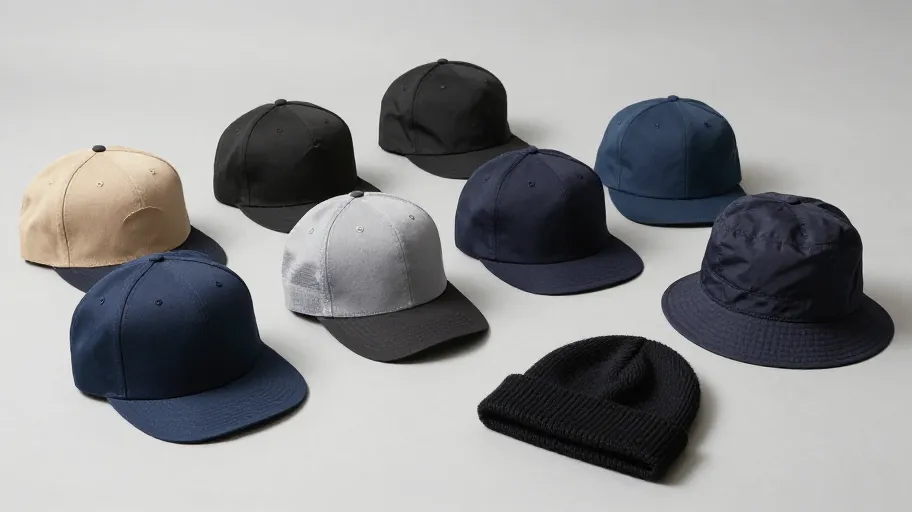
Why cheap quotes lead to expensive mistakes
Low upfront pricing from Chinese cap manufacturers often hides massive downstream costs. A supplier quoting $1.20 per bucket hat might save you $0.30 per unit—but if their defect rate is 10%, you’re actually losing money. For every 5,000 units, that’s 500 defective hats: restocking, reshipping, delayed launches, and angry customers.
This isn’t theoretical. One outdoor apparel startup ordered 10,000 units from a seemingly responsive Alibaba vendor. The bulk shipment arrived with mismatched brim stiffness and inconsistent UPF50+ coating. They had to halt launch, rework 30% of inventory, and eat $18,000 in losses. That ‘savings’ of $3,000 on unit cost turned into a $15,000 net loss.
A verified bucket hat factory charges more—say, $1.60/unit—but delivers under 3% defects. That means fewer than 300 faulty units per 10,000. Their consistency comes from owning the full process: fabric sourcing, molding, stitching, and testing. You pay more per hat, but you ship faster, scale reliably, and protect your brand. The higher unit price means lower risk because predictable quality prevents costly firefighting later.
How free samples reveal the truth
Free hats samples aren’t just a courtesy—they’re a diagnostic tool. But only if they reflect real production conditions. Too many suppliers send hand-sewn prototypes using premium fabrics not used in mass runs. That’s misleading.
The right approach? Demand samples made with the same materials, machines, and workers planned for your order. Labeling with production date, operator ID, and fabric lot number means traceability because you can verify consistency across batches. When a California-based sunwear brand insisted on this level of detail, they caught a supplier using two different cotton canvases—one stiffer, one looser—on sample hats from the same run. That variation would have ruined brim shape at scale.
Testing those samples physically matters. Stretch the seams. Wash one three times. Expose it to direct sunlight for 48 hours. Does the color fade? Does the brim warp? Real QA starts before the first bulk order ships. A factory that supports this kind of scrutiny has confidence in its output because they’ve built systems to maintain control.
Cap factory vs bucket hat factory what’s the difference
Not all headwear factories are equal. A standard cap factory excels at structured baseball caps: flat visors, stiff bills, embroidered logos. They use jigs and molds designed for angular shapes. But bucket hats are circular, soft-brimmed, and rely on even tension all the way around. A true bucket hat factory invests in custom ring molds and specialized sewing fixtures to maintain that symmetry.
This technical distinction means better product performance because consistent brim geometry prevents warping after washing or sun exposure. It also enables proprietary UV-resistant finishes applied during fabrication—not sprayed on afterward like some discount suppliers do. Those spray-on coatings wear off in six washes. Integrated treatments last the life of the hat.
Brands that treat all ‘hat factories’ as interchangeable end up with misshapen brims and fading protection. One wellness brand learned this the hard way when their ‘UPF50+’ hats failed independent lab tests after two weeks of normal use. The factory wasn’t equipped for performance textiles—it was optimized for fashion caps. Matching your product type to a specialist factory means alignment between design intent and manufacturing capability.
What on-site checks actually uncover
You don’t need to fly to China yourself—but someone should. Third-party audits from firms like QIMA or TÜV provide real insight because they inspect working conditions, equipment maintenance, and process controls. A 2025 TradeAudit Group investigation found 39% of B2B-listed ‘factories’ are actually trading companies outsourcing to unregistered workshops. That fragmentation kills quality control.
When you review an audit report, look for evidence of owned infrastructure: cutting tables, industrial sewing lines, dedicated QC stations. A factory with its own floor space and machines has direct oversight because they manage labor, training, and output standards. One brand switched from an unaudited supplier to a Guangdong-based bucket hat factory with BSCI certification. Defects dropped from 11% to 2.4%, and lead time shortened by six weeks.
Material traceability is another red flag. Ask for mill invoices and lab reports for claims like ‘organic cotton’ or ‘recycled polyester.’ A legitimate factory provides them. If they hesitate, they’re likely reselling fabric from unknown sources. Full documentation means transparency because you can verify sustainability claims all the way back to the source.
How smart vetting speeds up your launch
Thorough supplier evaluation doesn’t slow you down—it accelerates your time-to-market. Verified factories reduce lead times by 30–40% because they have stable workforces, in-house material access, and fewer rework cycles. Panjiva’s 2025 logistics data shows audited suppliers average 10–12 week turnaround; unverified ones take 16+ weeks due to delays from defects and communication gaps.
One brand secured retail placement at REI and Backcountry by launching in May instead of July. That two-month jump came from choosing a responsive, compliant bucket hat factory over a cheaper, slower alternative. Missing summer peak season would have cost an estimated $220,000 in lost revenue.
Every dollar spent on proper manufacturer assessment saves about five in downstream corrections. More importantly, it builds agility. Once you trust your supply chain, you can expand SKUs, test new fabrics, and respond to customer feedback fast. Reliable production means business flexibility because you’re not constantly fixing preventable issues.
Next steps to lock in your supplier
You now know the difference between guessing and verifying. The next move is action: request free hats samples under production-equivalent conditions, demand third-party audit reports, and confirm material traceability. Don’t accept vague promises—ask for proof.
If you’re launching a private-label headwear line, skip the trial-and-error phase. Connect with factories that specialize in your product type, provide full documentation, and stand behind their samples. That’s how you hit the market on time, on budget, and on brand.
Ready to see what a real bucket hat factory can do? Start by testing their samples—and their transparency.
#cap manufacturers china, #headwear manufacturers china, #cap factory