

Receiving a "free" offer from a manufacturer often triggers immediate skepticism for experienced buyers. While the product unit may be complimentary, a true evaluation requires you to verify who pays for shipping, whether the sample is a stock reference or a custom prototype, and if the materials match your final production specs. To protect your margin and timeline, you must treat the sample request as a mini-contract rather than a simple gift.
Understanding the Scope of "Free"
When sourcing headwear from Shenzhen or other manufacturing hubs, the term "free hats samples" generally falls into two distinct categories. Understanding the difference is the first step in managing your budget and expectations.
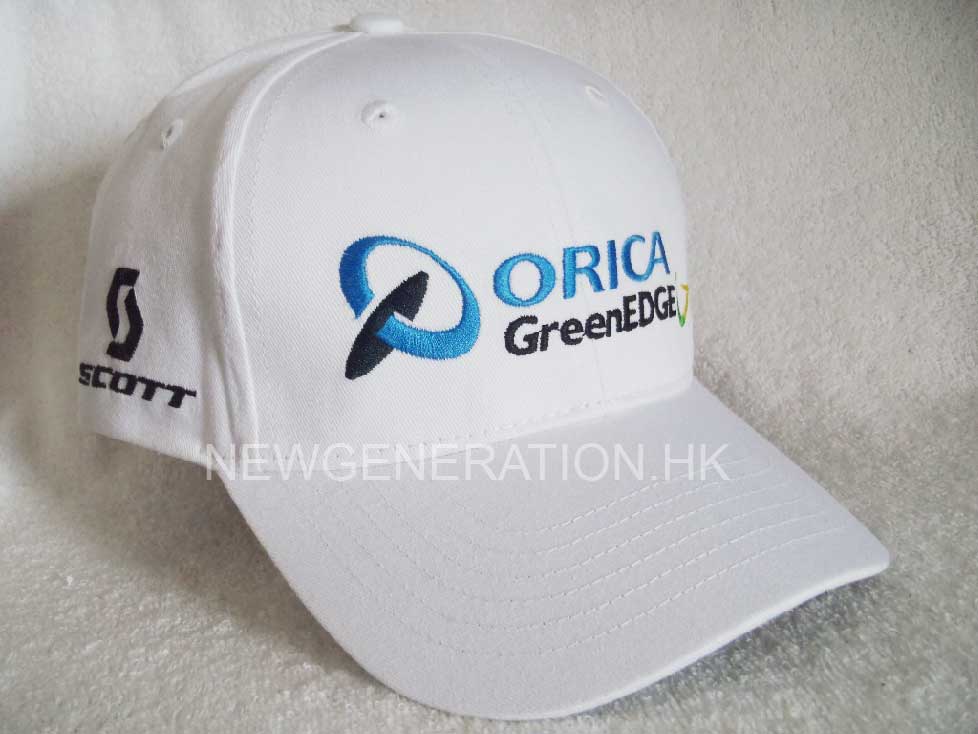
The first category is Stock Sampling. This involves an existing cap from the manufacturer’s current inventory that has already been produced. It is used to verify general quality, stitching, and fabric feel. The second category is Custom Prototyping (or OEM sampling). This involves creating a new mold, dyeing fabric to your specific Pantone color, and setting up embroidery files for your logo.
Often, suppliers offer the first category for free to win your business, but the second category involves costs. Your goal is to confirm which type of "free" is on the table and what conditions apply.
The Sample Verification Matrix
To avoid hidden surprises, use the Sample Verification Matrix. This framework helps you dissect the offer into four quadrants: Product Cost, Tooling/Setup, Logistics, and Intellectual Property (IP).
- Product Cost: Is the cap itself free? If it is a custom design, is the first piece free, or is there a waived fee contingent on a bulk order?
- Tooling/Setup: For embroidery or woven labels, digitization fees are common. You must ask if these are included in the "free" package or billed separately.
- Logistics: "Free sample" usually refers to the product cost ex-works. You are likely responsible for the international courier fee. Confirm if the supplier has a preferred account with DHL, FedEx, or UPS that offers discounted rates.
- IP & Ownership: Clarify if the physical sample becomes your property immediately or if it remains the supplier's asset until an order is placed.
Decision Table: Stock vs. Custom Samples
Use this table to align your sourcing stage with the appropriate sample type and cost expectations.
| Feature | Stock Sample (Reference) | Custom Sample (Prototype) |
|---|---|---|
| Purpose | Verify baseline quality, factory capability, and sizing. | Validate exact design, colors, branding, and construction. |
| Production Time | Usually immediate (off-the-shelf). | Requires production schedule (varies by complexity). |
| Cost | Often free (product only). | May involve material costs and setup fees. |
| Customization | None (factory's standard design/logo). | Full customization (fabric, color, logo, labels). |
| Risk Level | Low (good for vetting the supplier). | Higher (critical for mass production approval). |
5 Critical Questions to Ask Before Ordering
Before providing your shipping details or courier account number, pose these questions to the supplier. Their answers will reveal their transparency and professionalism.
1. Is this a stock sample or a pre-production sample? This is the most important question. If you need a specific shade of navy blue or a specific fabric weight like heavy cotton canvas, a stock polyester sample will not help you. Verify that the sample material matches the intended Bill of Materials (BOM) for your final order.
2. What is the exact shipping term? Do not assume "free" includes delivery to your warehouse. Ask explicitly: "Is this FOB Shenzhen, or do you need my courier account number?" If they offer to pay for shipping, ask if it is via a slower service like China Post or an expedited service like DHL.
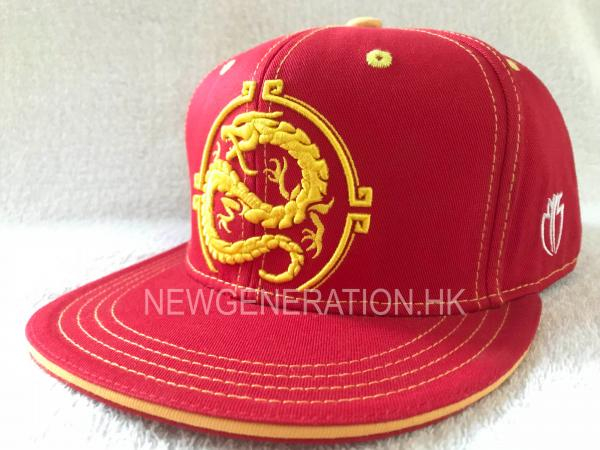
3. Are the branding methods on the sample identical to production? If your final order requires 3D embroidery, but the free sample only offers flat embroidery as a placeholder, the "feel" and dimension of the cap will be different. Ensure the logo technique on the sample is the technique you intend to buy.
4. Can you provide a spec sheet with the sample? A professional supplier should provide a specification sheet detailing the fabric composition, head size measurements, and color codes used in the sample. This document is crucial for your internal quality control (QC) team to compare against the bulk shipment later.
5. How do we handle revisions if the sample isn't right? If the sample arrives and the stitching is loose or the color is off, what is the revision policy? Understanding the cost and timeline for a "second round" of samples is essential for your project planning.
The Sample Approval Checklist
To standardize your evaluation process, use the following checklist when the package arrives. Do not sign off on production until you have checked these points.
- Visual Inspection: Is the color consistent with your provided reference (Pantone/Hex code)?
- Tactile Check: Does the fabric feel stiff or scratchy? (Consider wash testing if possible).
- Construction Quality: Check the inside of the cap for loose threads and ensure the buckram (the fabric inside the front panel) is smooth.
- Branding Alignment: Is the logo centered? Is the text legible?
- Sizing: Does the adjustable strap (if applicable) function smoothly? Does it fit the intended head size range?
- Packaging: Was the sample packed sufficiently to prevent damage during transit? (This indicates how they will handle bulk orders).
[CTA Primary]
Download the Sample Confirmation Checklist Ensure every detail is verified before you commit to mass production. Get our comprehensive, printable checklist for your QC team. [Button: Download the Checklist]
[CTA Secondary] Ready to discuss your custom headwear project? Contact our team to clarify sample terms and specifications. [Link: Contact New Generation]