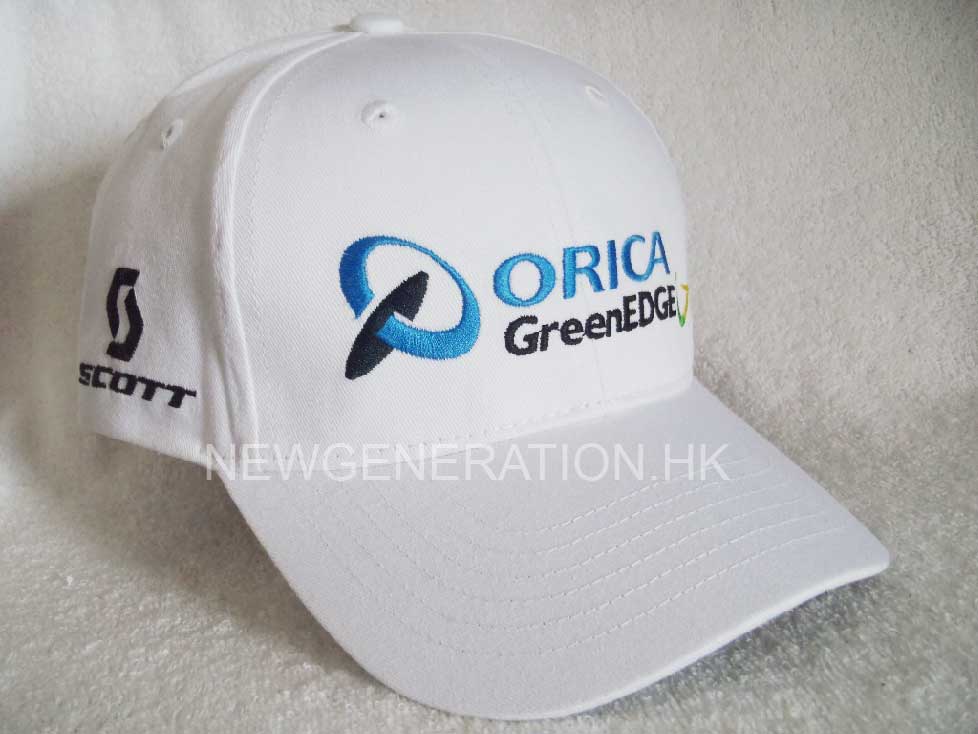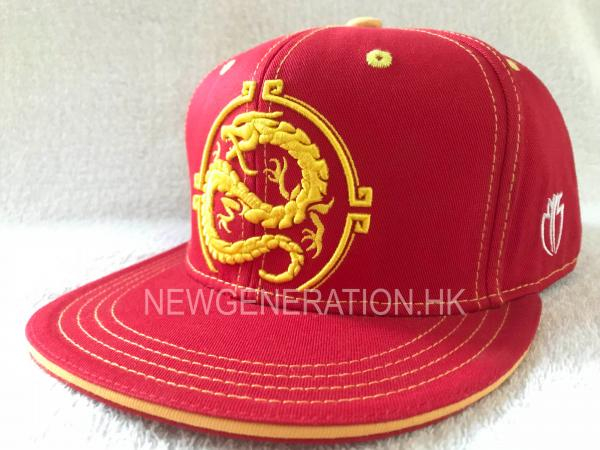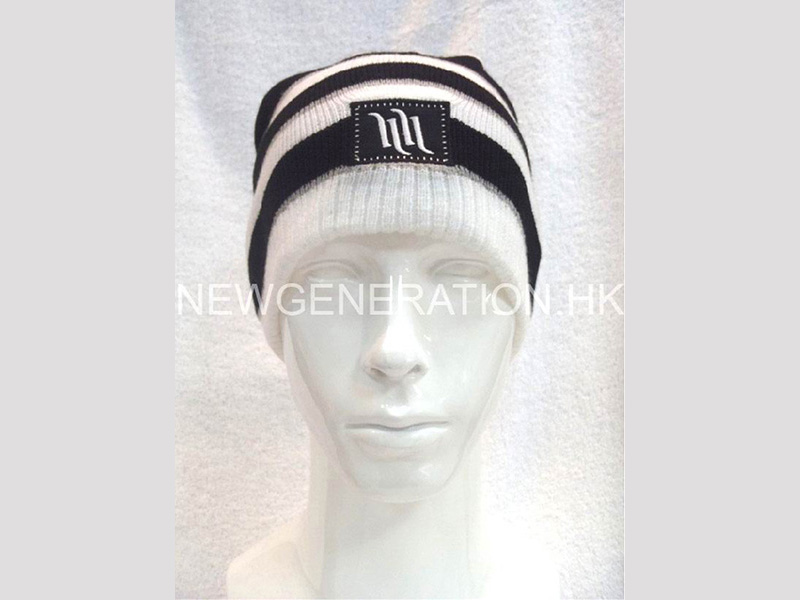

A "free hat sample" typically covers the manufacturing cost of the headwear itself, but the buyer is usually responsible for courier shipping fees. To ensure this free item serves its purpose, you must verify if it is a stock sample or a custom pre-production sample that accurately represents your final bulk order specifications.
The Strategic Value of a Sample in Sourcing
For new brands and price-sensitive importers, the sample phase is the most critical risk mitigation step in the sourcing lifecycle. It is the bridge between a digital concept and a physical product. However, the term "free" in B2B manufacturing can be ambiguous. While it lowers the barrier to entry, it requires a diligent approach to understand what exactly you are receiving. Are you evaluating the factory's general capability, or are you approving a specific custom run for your private label? Understanding this distinction prevents costly mistakes during mass production.
Decoding "Free": The TCO Protocol for Samples
When a supplier offers "free hats samples," they are generally absorbing the labor and material cost for one unit. However, using a Total Cost of Ownership (TCO) lens reveals that there are often other variables at play. To manage your budget effectively, apply this framework to your sample request:
- Product Cost: This is the "free" element. The factory provides the cap without charging you the unit price.
- Logistics Cost: Most manufacturers require a "collect" account, meaning you provide your DHL/FedEx/UPS account number, or you pay a wire transfer for the shipping. This is rarely included.
- Tooling/Mold Costs: If you are requesting a completely new mold or shape, the sample might be free, but the mold creation might be billed separately or amortized over a future order.
- Modification Costs: If you request changes to the sample after it is made (e.g., changing the embroidery size), a second round of sampling may incur charges.
Anatomy of a Sample: What to Inspect
Not all samples are created equal. When ordering, you must be explicit about what you need to verify.
1. The Stock Sample (Counter Sample) This is a hat the factory already has in inventory, perhaps with their own logo or a blank one. It is useful for checking the base quality of the factory—fabric feel, stitching density, and general construction. It is not useful for checking your custom logo placement.
2. The Pre-Production Sample (PPS) This is the "Golden Sample." It is made using your specific materials, artwork, and sizing. This is what you need to approve before the bulk run begins. A "free" offer might apply to a stock sample, but the PPS often involves a negotiation regarding setup costs, though many reputable suppliers waive this for serious B2B buyers.
Decision Matrix: Choosing Your Sample Path
To avoid paying for samples you don't need, use the table below to determine the type of sample required for your current stage of sourcing.
| Your Current Need | Recommended Sample Type | Cost Implication | Risk if Skipped |
|---|---|---|---|
| Vetting a New Supplier | Stock Sample (Blank or Branded) | Often Free (Shipping Collect) | You may discover poor quality only after bulk production starts. |
| Checking Material/Color | Fabric Swatch / Color Card | Often Free | Color mismatch between digital proof and physical dye lot. |
| Validating Custom Design | Pre-Production Sample (PPS) | Possibly Free (Verify policy) | Logo distortion, incorrect sizing, or wrong material usage in bulk. |
| Testing Market Response | Salesman Sample | Shipping Collect | Selling a product that cannot be replicated profitably at scale. |
5 Questions to Ask Before You Order
Before you provide your shipping details, ask these five questions to align expectations and protect your budget.
1. Does the "Free" policy include my custom logo? Many suppliers offer free blank samples but charge for the digitization and setup of embroidery for a single sample. Verify if the sample will be physically decorated with your branding or if you are only approving the base cap.
2. What are the exact shipping terms? Clarify if the supplier requires a courier account number or if they will bill you for the postage. Also, ask if they use a specific freight forwarder that might be slower or more expensive than your preferred carrier.
3. Will this sample be made on the same production line as the bulk order? Sometimes samples are hand-made in a prototype room by master technicians, while bulk orders are mass-produced on assembly lines. To ensure the sample matches the bulk, confirm that the sample process mimics the mass production process as closely as possible.
4. How many rounds of modifications are included? If the first sample isn't perfect, ask if the supplier will cover the cost of the second iteration. This is a crucial negotiation point for price-sensitive buyers.
5. Can I keep the sample for quality comparison upon bulk arrival? Ensure the sample serves as your benchmark. You should retain the approved sample to compare against the bulk shipment upon arrival to ensure consistency.
The Approval Checklist: How to Review Your Sample
Once the package arrives, your review must be systematic. Do not just look at the logo; check the structural integrity.
- Stitching: Check the tension. Are the threads loose? Is the embroidery density high enough to cover the fabric beneath?
- Fabric Hand Feel: Does the fabric feel stiff or rough? A heavy stiffener may be used to make the sample easier to embroider, but the bulk product should be comfortable.
- Sizing: Measure the crown height and brim width. Compare these against the tech pack specifications.
- Color: Compare the physical fabric to your Pantone color references. Lighting in the factory may differ from your office; view the sample under natural light.
Download the Sample Confirmation Checklist
Ensure you don't miss a single detail. Use our comprehensive checklist to document every verification step before you approve mass production.
[Download Checklist]
Conclusion
A free hat sample is a powerful tool for vetting suppliers and fine-tuning your product design, but only if you understand its scope. By clarifying the shipping terms, distinguishing between stock and pre-production samples, and rigorously testing the physical goods, you turn a "free" item into a valuable insurance policy for your investment. Always remember: the sample is the standard. If the sample isn't right, the bulk order won't be either.
Frequently Asked Questions
Are the hat samples really 100% free? In most B2B contexts, "free" refers to the cost of the product and the labor to make it. You, as the buyer, are almost always responsible for the shipping charges (courier fees). Always confirm if there are any "handling" or "administration" fees involved.
How long does it take to receive a custom sample? The production time varies significantly depending on the factory's current schedule and the complexity of your design. Because this is a variable dependent on specific project timelines, you should ask the supplier for a specific "sample lead time" in your initial inquiry.
Can I get a refund for the sample cost if I place a large order? Many suppliers operate on a "sample fee refundable upon bulk order" model. If you were charged a fee for the sample initially, ask if this cost will be deducted from your final invoice or refunded once the mass production order is confirmed.
What if the sample doesn't match my artwork? If the physical sample deviates from the digital proof (e.g., wrong logo color or size), document the differences with photos and measurements immediately. Submit a "discrepancy report" to the supplier and request a revised sample before approving the start of bulk production.
Does the sample include the custom packaging? Usually, free samples do not include custom packaging (polybags, boxes, or hangtags) unless specifically requested. If you need to verify the packaging, ask if a "mock-up" of the packaging can be included with the cap sample.