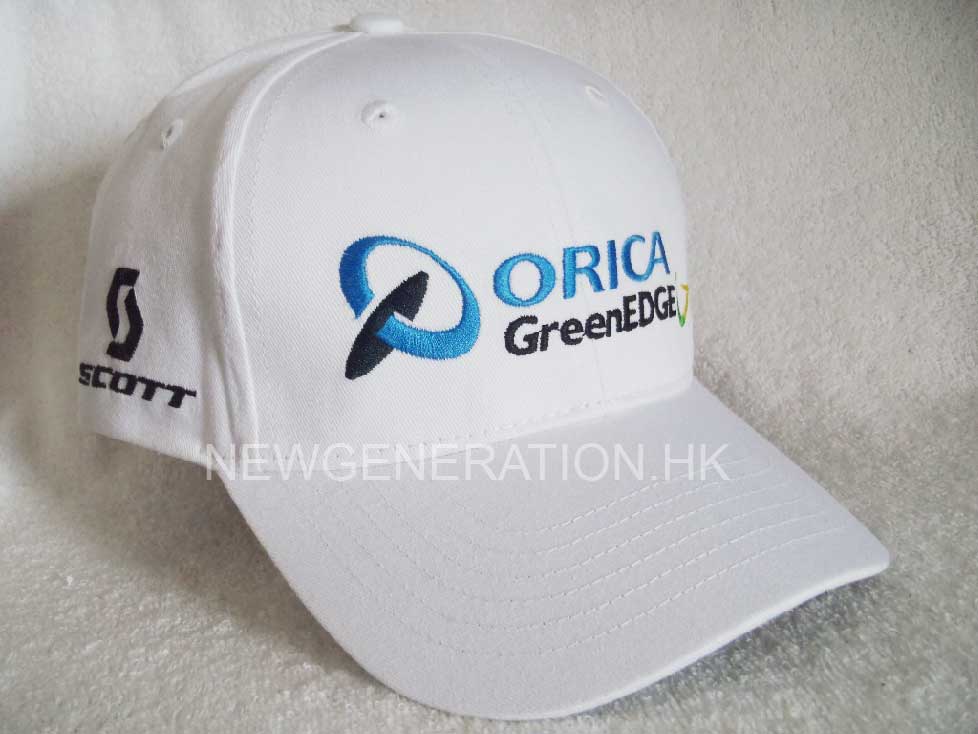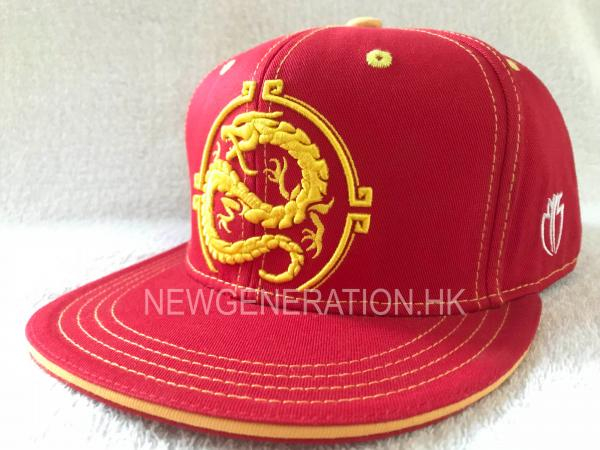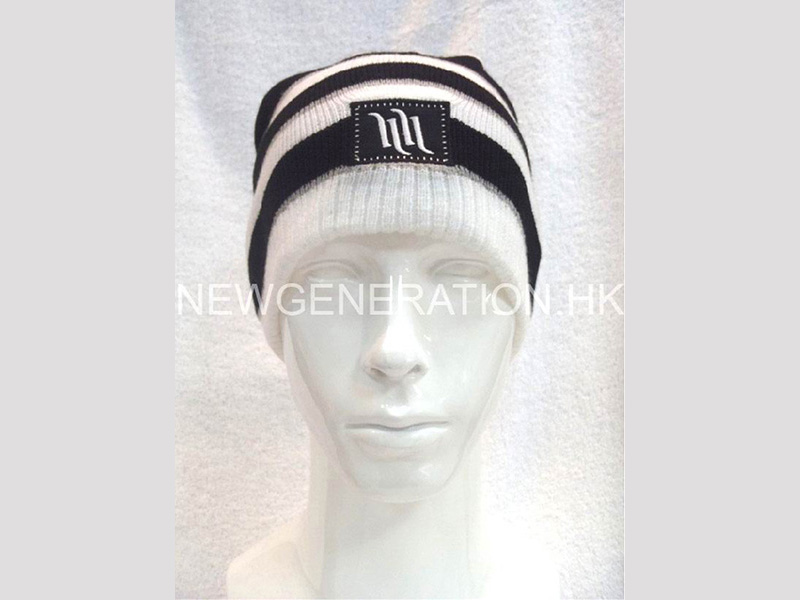


When sourcing custom headwear from China, a "free sample" offer is a standard entry point, but it rarely covers the entire cost of the procurement phase. A free hat sample typically includes the physical headwear base itself—often a standard, uncustomized stock item used to verify material quality and sizing—but it generally excludes the cost of custom logo application, expedited air freight, and any associated import duties. To manage your budget effectively, you must treat the "free" aspect as applying strictly to the product cost, while preparing to invest in logistics and verification.
For new brands and price-sensitive buyers, understanding this distinction is the first step in a smart sourcing strategy. Using the "Scope-of-Inclusion" Audit, you can systematically determine what a supplier is actually offering and where your financial liability begins.
The "Scope-of-Inclusion" Audit
Before placing an order, procurement professionals should audit the sample offer against three categories: Product, Customization, and Logistics. Suppliers may use the term "free" liberally, but the commercial reality often involves trade-offs.
- Product Scope: Is the sample a "stock blank" or a "pre-production sample"?
- Stock Blank: A generic hat pulled from existing inventory. It is free to produce because it already exists. It verifies fabric, weight, and construction but does not show your logo.
- Pre-Production Sample: A newly made hat featuring your specific design, colors, and logo. This is rarely free; it usually involves a setup fee and molds.
- Customization Scope: Does the free price include the decoration?
- Most free offers exclude the physical application of your logo. You may receive a blank hat, while the supplier sends a digital photo of a similar hat with your logo photoshopped onto it.
- If a physical logo sample is included, confirm if the cost of the digitization or setup is waived.
- Logistics Scope: Who pays for the shipping?
- This is the most common point of friction. "Free product" does not mean "free delivery." You, the buyer, are almost universally responsible for the freight charges, courier account numbers, or import VAT.
Decision Matrix: Evaluating Your Sample Options
To clarify the value of the offer, compare the two common types of samples you will encounter during the sourcing process. This comparison helps you align the sample type with your current stage of product development.
| Feature | Free Stock Sample (The "Try-Before-You-Buy") | Custom Pre-Production Sample (The "Golden Sample") |
|---|---|---|
| Cost | Typically free (product cost only). | Usually incurs a sample fee + setup cost. |
| Customization | None. Usually a solid color or standard design. | Full customization (logo, labels, specific materials). |
| Purpose | Verify hand-feel, sizing, and general factory quality. | Verify color accuracy, logo placement, and stitching details. |
| Lead Time | Short (shipped immediately from inventory). | Longer (requires production scheduling). |
| Risk | Low risk; useful for filtering suppliers. | Higher cost; essential for final bulk approval. |
Critical Questions to Ask Before You Order
To avoid miscommunication and unexpected invoices, use the following concrete approval questions when engaging with a manufacturer. Do not assume the "free" policy covers these items.
Regarding Logistics and Responsibility:
- "Does the 'free' sample include the shipping cost, or must I provide a courier account number (e.g., DHL, FedEx, UPS)?"
- "Will the sample be declared at full commercial value for customs, or at a lower value to reduce import duty exposure?"
- "Is the sample shipped via a standard postal service or an express courier? If standard, what is the estimated transit time?"
Regarding Customization and Authenticity:
- "Is this sample a pre-made stock item, or will it be manufactured specifically for my project?"
- "If I request a logo on this sample, is the digitization/setup fee included in the free offer?"
- "Will the sample materials and construction be identical to the final bulk production, or are there differences?"
Regarding Production Scalability:
- "If I approve this sample, can you guarantee the bulk order will match this specific physical reference?"
- "Are there any deviations in the bulk materials compared to this sample that I should be aware of?"
By documenting the answers to these questions, you protect your budget and ensure the sample serves its intended purpose: validating the supplier's ability to meet your specifications.
Navigating the "Price-Sensitive" Buyer's Trap
For buyers prioritizing cost, the allure of free samples can lead to a "scattershot" approach—requesting samples from dozens of factories hoping to find the cheapest option. However, this often results in higher aggregate shipping costs and wasted time.
A more efficient strategy is to shortlist 2-3 potential partners based on their communication and online capabilities first. Request a sample only from those who have already demonstrated a clear understanding of your technical requirements. Remember, a free sample is a tool for verification, not a replacement for due diligence. The value lies not in the free item itself, but in the supplier's transparency regarding what is not included.
FAQ: Free Hats Samples
Does a free sample mean the production will be cheap? Not necessarily. A free sample is a marketing tool. The cost of bulk production depends on material selection, order quantity, and decoration complexity. Always request a detailed quotation for the mass production order separately from the sample arrangement.
Can I get a refund for the sample cost if I place a large order? In many cases, suppliers will deduct the cost of a paid sample from your final invoice if the order meets a certain volume threshold. However, since the sample in this context is free (product-wise), there is usually no cost to deduct. You should verify if the shipping cost you paid can be credited toward the bulk order.
How should I inspect the sample when it arrives? Check the stitching density, the fabric weight (does it feel too light or too heavy?), and the color fastness. Rub the fabric firmly with a white cloth to see if the dye transfers. If it is a custom sample, measure the logo placement to ensure it matches your specifications.
What if the sample arrives damaged? Because the sample product is free, suppliers may be less willing to file a claim for damage. However, the shipping carrier is responsible for the physical condition of the package. If the box is crushed, file a claim with the courier immediately using the tracking number provided by the supplier.
Ready to Verify Your Supplier?
Don't let vague "free" offers compromise your sourcing standards. Ensure you have asked every critical question before committing to a partnership.
[Primary CTA]
[Download the Sample Confirmation Checklist]
A comprehensive list of points to inspect and questions to ask before approving your headwear sample.
[Secondary CTA]
[Download the Sourcing Checklist for New Headwear Brands]
Step-by-step guide to preparing your tech pack and design files before requesting samples.