


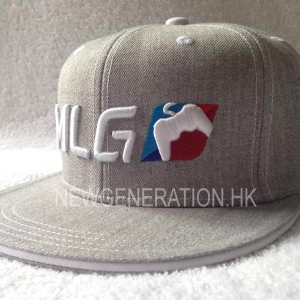
A baseball cap tech pack is the shared record that turns a design idea into a sample brief. It does not need to be complicated, but it should make the non-negotiable details visible: construction, materials, logo artwork, placement, labels, packaging and the way feedback will be approved. The clearer it is, the less a factory has to guess.
For a founder or product manager, a tech pack can feel like a barrier between an idea and a sample. In practice it is the opposite. It lets you ask better questions, compare quotations on the same basis and preserve decisions when the project moves from a sample desk to a production team.
What a good cap tech pack does
Think of the document as an agreement on what is known today, not a claim that every detail is fixed forever. It should help a manufacturer identify what can be sampled, what needs a decision and what needs to be verified.
The best first version answers three practical questions:
- What should the cap look and feel like?
- Which details must be reproduced accurately for the sample to be useful?
- What must be signed off before a bulk order is discussed?
If your team only has a mood board and a logo, start there. Label each page clearly: “reference only,” “must match,” or “open for supplier recommendation.” That small habit prevents a reference image from becoming an accidental specification.
The baseball cap tech pack checklist
Use a separate page or section for each of the following categories.
| Section | Include | Why the manufacturer needs it |
|---|---|---|
| Project overview | Brand, product name, intended user, quantity range, destination market and desired launch window | Establishes commercial context without forcing unconfirmed commitments. |
| Flat sketch / reference images | Front, side, back and inside views where possible; annotate what must match | Shows construction, proportions and visual priorities. |
| Crown and panels | 5-panel or 6-panel layout, structured/unstructured direction, panel seams and eyelet positions | Panel construction changes the making process and visual silhouette. |
| Visor | Curved or flat direction, stitch lines, sandwich trim or contrast details if required | The visor is highly visible and easily misread from a single photo. |
| Fabric and colour | Material name if known, desired hand-feel, colour references, lining or mesh requirements | Lets the supplier flag feasible options and colour-matching questions early. |
| Closure and internal details | Strap type, buckle/fastener, sweatband, inside tape, size label | These details shape wearability, cost assumptions and branding. |
| Logo and decoration | Vector artwork, logo dimensions, placement, thread/patch/print preference if known | A logo file alone is not a decoration specification. |
| Labels and packaging | Woven labels, hangtags, care labels, polybag/carton requirements | Prevents a finished cap being held up by unapproved finishing components. |
| Sample review plan | Who approves, what photos or measurements are required, how comments are recorded | Keeps revisions traceable instead of relying on fragmented chat messages. |
Make logo instructions specific enough to review
Most cap-sample friction comes from branding details that sounded obvious in a meeting but were never measured. Add the logo file in vector format when available, then state:
- exact placement from a stable reference point (for example, centre front or a marked distance from a seam);
- intended width and height, or a permissible range;
- decoration preference and acceptable alternatives;
- thread, patch, print or material references if these are non-negotiable;
- the visual priority: fine detail, texture, durability, soft hand-feel or high contrast.
If you do not know which decoration method suits the artwork, do not pretend you do. Provide the logo and the intended use, then ask the manufacturer to explain the trade-offs. The answer should become part of the sample record.
Turn references into decisions
Reference images are valuable, but they often combine details from several products. A cap in one image may have the right crown height while another has the right closure. Call this out directly.
| Reference component | Decision to document |
|---|---|
| Overall silhouette | What must be retained: low profile, structured shape, relaxed fit or another characteristic? |
| Fabric texture | Is the visual texture essential, or is a similar hand-feel acceptable? |
| Colour | Is the image only a direction, or is there a formal colour standard to match? |
| Logo position | Does it need to match precisely, or can it move to suit construction? |
| Finishing details | Which contrast stitching, labels, trim or hardware are essential to the brand? |
This is a useful moment to involve the people who will later approve the product: brand, product, sourcing and, where relevant, retail or operations. A 20-minute pre-sample review is much cheaper than reconciling contradictory feedback after a cap arrives.
Create a sample approval page before the sample is made
Add an approval page to the tech pack now. When the sample comes back, reviewers should be able to mark each line as approved, revised or pending rather than start the documentation from scratch.
Suggested approval fields:
- sample version and date;
- approved reference artwork;
- construction and measurement observations;
- fabric/colour observations under agreed viewing conditions;
- logo size, position and finish;
- labels, closure and packaging notes;
- photo references for each correction;
- named approver and date.
Avoid using a verbal “yes” as the only approval record. The goal is not bureaucracy; it is a handoff that makes sense to someone who was not in the original conversation.
What not to put in a tech pack as fact
Do not guess at MOQ, unit price, sample cost, compliance status, test requirements or lead time. Those are commercial and technical questions that depend on the actual design, materials, order quantity and target market. Record them as questions for the supplier, then attach the written answer to the project file when it is confirmed.
Likewise, if you need a particular test, certification or material declaration, name the requirement and ask whether it is available for the proposed product. A generic statement such as “compliant” cannot substitute for project-specific documentation.
Where New Generation can fit
New Generation publicly describes custom headwear development from design information through sample and production. A clear tech pack, a reference image or even a marked-up logo file can give a first conversation enough structure to identify the next questions.
Get the Baseball Cap Tech Pack Checklist before requesting a sample. Use it to organise your files, then ask the supplier to confirm each manufacturing and commercial assumption for the specific project.
Frequently asked questions
Do I need a professional designer to make a cap tech pack?
No. A designer can improve precision, but a founder or buyer can create a usable first brief with annotated images, artwork and a structured checklist. The key is to distinguish confirmed requirements from open questions.
What file format should logo artwork use?
Vector artwork is generally easiest to scale and review. If you only have a raster image, send the highest-quality source you have and ask whether a production-ready version is needed before decoration is finalised.
How detailed should measurements be for a first sample?
Include the measurements that affect fit, profile and visual proportion. If you do not have a reference cap to measure, ask the supplier which base measurements they propose and record the agreed version before sampling.
Can a tech pack be updated after the first sample?
Yes—and it should be. Treat each revision as a new version. Record what changed, why it changed and which sample or photo proves the updated decision.
Internal-link plan before publication
- Link to the relevant New Generation design / tech-pack page after URL confirmation.
- Link to a relevant baseball-cap category page.
- Link to
How to Choose a Baseball Cap Manufacturer in China: A Buyer Scorecardand the sample-approval article.
Editorial evidence note
No fixed quantity, price, sample policy, material certification, testing outcome or production timing is asserted in this draft. Add real project evidence only after business approval.
#cap manufacturers china, #headwear manufacturers china, #hat tech pack








