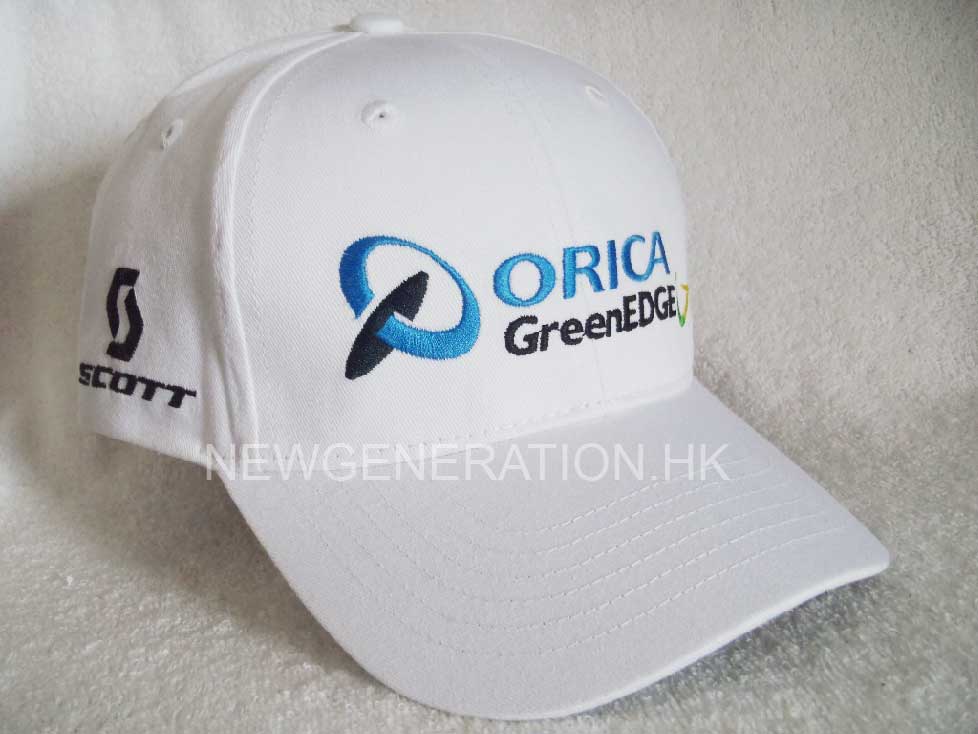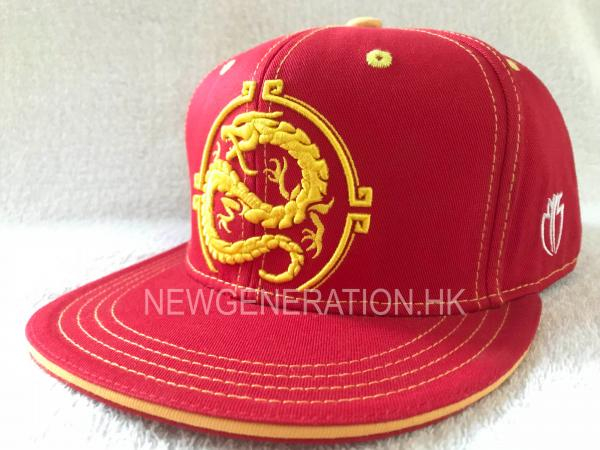



A baseball cap tech pack does not need to begin as a perfect technical drawing. Its real job is to turn your design intent into a set of decisions that a supplier, designer, and approver can see, question, and review on a sample. If a cap brief consists only of a photo, a logo file, and "make it like this," every person may fill the gaps differently.
Use the See–Specify–Sign-off loop to keep those gaps visible. First show the reference. Then specify which details are fixed, which are open, and which the sample must resolve. Finally, sign off against marked evidence rather than memory.
See: collect the reference without hiding uncertainty
Start with the clearest material you have. This can include a front-and-back reference image, a rough sketch, existing cap photos, artwork, colour direction, and notes from the brand team. Do not pretend every file is final. Label each item: approved reference, inspiration only, open question, or to be confirmed.
That small act removes a common source of rework. A supplier can see which visual decisions it should follow and which decisions it should ask about. The same approach helps an internal designer understand where it can propose an option and where it must preserve a brand requirement.
Specify: make the cap decisions inspectable
A useful tech pack does not try to sound technical for its own sake. It records the decisions that would otherwise be interpreted differently. For a baseball cap, group them by product area.
| Product area | Put in the brief | Approval question |
|---|---|---|
| Cap reference | Front, side, back, and interior images or sketches; note the desired silhouette. | Which visual features are fixed, and which are still exploratory? |
| Crown and panels | Intended panel layout, structure direction, seam-sensitive areas, and overall shape notes. | What should the physical sample prove about the crown shape? |
| Brim | Reference for curve, proportion, surface direction, and relation to the crown. | Which visible brim characteristics must be reviewed rather than assumed? |
| Material direction | Known material description, texture, colour direction, or a list of alternatives to discuss. | What needs written confirmation before material is treated as approved? |
| Logo and decoration | Artwork version, placement views, desired hierarchy, and treatment questions. | Does the mark remain appropriate at the intended scale and location? |
| Labels and packaging | Label artwork, intended location, interior notes, and presentation direction if relevant. | Which details are part of this sample and which are deferred? |
| Review route | Sample objective, approver, date, and change-record method. | What must be approved before a bulk handoff is even considered? |
The table is deliberately written as questions. It does not assume that an item is available or that a supplier has agreed to a particular process. It gives the buyer a way to ask for the information needed to make that decision.
Sign-off: use the sample as evidence
The third part of the loop is where a tech pack becomes operational. When a sample arrives, do not compare it with a vague memory of the mood board. Open the current tech pack, place the sample and marked photos beside it, and review one field at a time.
For each field, record one of three statuses:
- Approved as shown: the requirement and the evidence match clearly enough for the project stage.
- Revision required: identify the reference, the observed difference, and the exact question for the next sample or confirmation.
- Pending confirmation: do not force a decision if artwork, material direction, branding, or commercial terms are still unresolved.
This is especially useful for logo placement. "Move it slightly" is hard to trace. "Compare the logo against the marked front view and confirm its relationship to the centre seam" gives the next reviewer a real test.
A cap tech pack is also a version-control tool
Many first projects do not fail because the team lacks ideas. They fail because a logo was updated in one email, a new reference was shared in a chat, and a sample comment was never copied into the master brief. Treat the tech pack as the shared source of truth.
Use a simple version line on each review:
| Field | Example record |
|---|---|
| Project | Brand / cap concept / internal project name |
| Brief version | Date and version label |
| Artwork | File name and revision date |
| Open questions | Items that need supplier, designer, or business confirmation |
| Sample decision | Approved, revision required, or pending confirmation |
| Approver | Name or role responsible for the next decision |
The brief can be short. What matters is that everyone is looking at the same version when they discuss the sample.
What not to put in an unverified brief
Avoid turning an assumption into a requirement. Do not state a supplier's MOQ, delivery time, certificate, test result, sustainability claim, pricing, or sample policy as a fact unless your business has current written evidence. If a point matters, write it as a verification request: "Please confirm whether this requirement can be supported for this project."
This protects the credibility of the article and makes the buyer's request more useful. A supplier can respond to a question. It cannot responsibly confirm an invented specification.
The minimum sample-ready checklist
Before you send a baseball-cap tech pack, check that it contains:
- a named cap reference with clear views;
- current artwork and a note explaining what is final;
- intended logo placement and the questions the logo sample must answer;
- known material and colour direction, plus unresolved decisions;
- label, interior, or packaging direction if those are in scope;
- the intended wearer and use context;
- a sample objective rather than a general request to "make one";
- a named approver and a place to record feedback;
- an explicit note that commercial, production, and compliance details require business confirmation.
Primary CTA: Download the Baseball Cap Tech Pack Checklist
Use the checklist to bring reference images, artwork, construction questions, and approval notes into one reviewable brief. It gives the project team a clearer starting point before it requests a sample or compares supplier responses.
FAQ
Do I need CAD files for a baseball cap tech pack?
Not always. Clear images, annotated views, artwork, and decision notes can form a useful first brief. The key is to label what is final, what is inspiration, and what needs confirmation.
What should be approved on a cap sample?
Review the cap reference, silhouette, visible construction, logo treatment and placement, labels or packaging in scope, and any open questions named in the brief. Record the decision with the supporting evidence.
Can a tech pack include unknown details?
Yes. Unknown details should be marked as questions or options rather than written as fixed specifications. This lets the project move forward without hiding uncertainty.
How does a tech pack help compare suppliers?
Give each supplier the same brief. You can then compare how clearly each response addresses the same product, sample, artwork, and documentation questions.