


Why a Thin Baseball Cap Tech Pack Costs You Sampling Rounds
A baseball cap tech pack is the single document that translates a brand idea into something a sewing line can build. The most common cause of re-sampling — and the cost and lead time it adds — is not price, fabric, or factory capability. It is ambiguity. When a field is missing, the factory fills it with their default, and the factory's default is rarely your brand default. Two or three rounds of that, and your launch calendar slips.
The fix is not to write more pages. It is to make every field unambiguous enough that two people reading it on different continents build the same cap. The 5-Layer Cap Spec Framework below is the structure New Generation uses internally to talk buyers through that translation.
The 5-Layer Cap Spec Framework
Use these five layers as the spine of your baseball cap tech pack. Each layer answers a question the factory will otherwise have to ask by email.
Construction
Color
Artwork
Labels
Approval
Layer 1 — Silhouette & Construction
- Profile: 5-panel, 6-panel, or 7-panel
- Crown height and shape: low / mid / high profile; structured or unstructured; buckram weight on the front panel
- Visor: pre-curved or flat; number of top-stitch rows (commonly 4, 6, or 8); top button color
- Back: mesh color or solid, with a closure spec
Layer 2 — Materials & Color
- Shell fabric: e.g. brushed cotton twill, washed cotton, polyester — with a target weight in GSM
- Sweatband: matched or contrast; terry, woven, or simulated leather
- Color callouts: Pantone TPG or TCX for every panel and the under-visor; note whether lab dips are required before bulk cutting
- Eyelets: sewn-through or metal; matching or contrast
Layer 3 — Embellishment & Artwork
- Position: measured from the crown seam and the front-center seam, never just "centered"
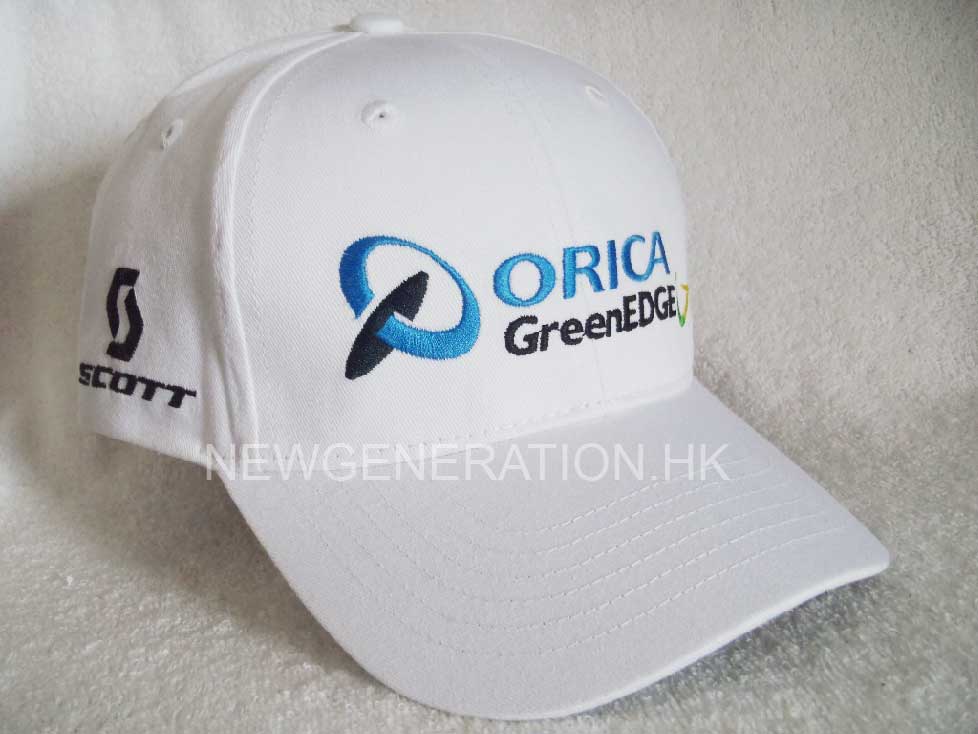
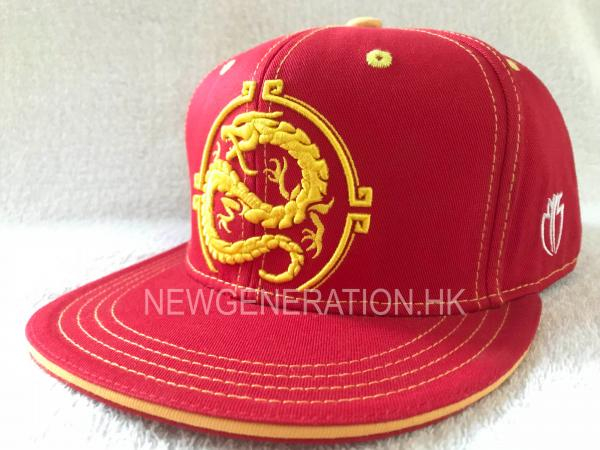
- Method: flat embroidery, 3D puff, appliqué, woven patch, leather patch, screen print, or sublimation
- Stitch count and thread colors with Pantone references
- Artwork files: vector source in .ai or .eps, plus a stitched-out PNG reference for scale
- Repeat the same depth for back, side, and sweatband if those positions are decorated
Layer 4 — Trims, Closures & Labels
- Closure type: plastic snap, metal snap, hook-and-loop, slider, or fitted sizing range
- Woven main label position and exact copy
- Care-label content: fiber content, country of origin, care symbols
- Hangtag, barcoding, and stickers if your retail customer requires them
Layer 5 — Tolerances & Approval Sequence
- Measurement points: crown height, visor length, visor width, opening circumference
- Acceptable tolerance per point in centimeters
- Approval gates: pre-production sample, top-of-production sample, and what each gate must match
- Color approval: lab-dip sign-off before bulk cutting
Decision Table: Choose Your Spec Posture
| Use case | Closure default | Crown posture | Embellishment focus | Tolerance posture |
|---|---|---|---|---|
| Premium corporate / uniform | Fitted or metal slider | Structured, mid-to-high profile | Flat or 3D puff embroidery, woven label | Tight — every measurement documented |
| Streetwear / lifestyle | Plastic snap (snapback) or strapback | Structured high or unstructured low | Large front embroidery, side and back hits | Standard — measurement points defined |
| Promotional / event | Hook-and-loop | Unstructured, low profile | Single-position flat embroidery or print | Standard — keep artwork simple to protect lead time |
| Outdoor / performance | Plastic snap or fitted | Structured, mid profile | Woven or sublimated patch; UV-stable thread | Tight — specify fabric performance attributes |
This table is a starting posture, not a verdict. Your brand's design language should override any default — but if you start from a row, your factory knows what you mean from the first read.
Approval Questions to Ask Before the Sample Is Cut
Before you request a sample, paste these into your RFQ. The answers are the difference between one sample round and three.
- Which Pantone system (TPG or TCX) should I use for color callouts, and do you need a lab dip before bulk cutting?
- What is your default buckram weight if I leave the front panel unstructured?
- For 3D puff embroidery, what stitch height and foam thickness do you build to by default?
- What tolerance band do you work to on crown height and opening circumference?
- What file format and minimum artwork size do you need for embroidery digitizing?
- Will the pre-production sample include the actual woven label and care label, or surrogates?
- What must the top-of-production sample match before you start bulk?
- How do you document color match between the pre-production sample and bulk fabric?
If your factory cannot answer six through eight clearly, that itself is information about how the relationship will run.
Common Tech-Pack Mistakes That Re-Trigger Sampling
- Writing "centered" instead of giving measurements from a seam
- Specifying a Pantone without stating TPG or TCX
- Sending a low-resolution PNG for embroidery digitizing
- Forgetting the under-visor color
- Leaving closure color to the factory default
- Omitting care-label content and country-of-origin copy
- Not stating which sample gates you require
Each item is small. Together they are why "two-week sampling" quietly becomes "six-week sampling."
Frequently Asked Questions
How detailed does a baseball cap tech pack need to be for a quote?
Detailed enough that the factory does not have to assume. At minimum: silhouette, fabric and weight, all color callouts with Pantone references, embellishment method with stitch count, closure type, and any labeling or packaging requirements. A quote built on assumptions is a quote that will move.
Should I include packaging in the tech pack?
Yes, even if packaging feels like a later decision. Polybag spec, insertion style (folded, flat, with or without a card insert), carton count, and barcoding all affect the quote and lead time, and they are easier to lock now than to retrofit after the first sample.
What file format should embroidery artwork be in?
A vector source file (.ai or .eps) plus a high-resolution stitched-out reference image for scale. A flat PNG is enough for a first look but not for digitizing — digitizing from a low-resolution file is one of the most common causes of a disappointing first sample.
Do I need to specify every thread color?
For brand-critical decoration, yes — give thread colors as Pantone references and let the factory match from their thread library. For utility stitching (seams, top-stitching), a matched-or-contrast note is enough, but state which.
What tolerance is normal for cap sizing?
There is no universal number — tolerances depend on fabric, construction, and use case, which is why you should agree them per measurement point with your factory rather than inheriting a default. The point of stating a tolerance is not the exact figure; it is that both sides signed the same figure before bulk.
Next Step
Before you send your next brief to a factory, run it through the 5-Layer Cap Spec Framework and the approval questions above. If any layer is empty, that is the round of sampling you are about to lose.
Download the Tech Pack Checklist
A one-page version of the 5-Layer Cap Spec Framework you can paste into your RFQ.
Download the Tech Pack Checklist →Grab the quick checklist — a lighter version if you have five minutes before sending the brief.