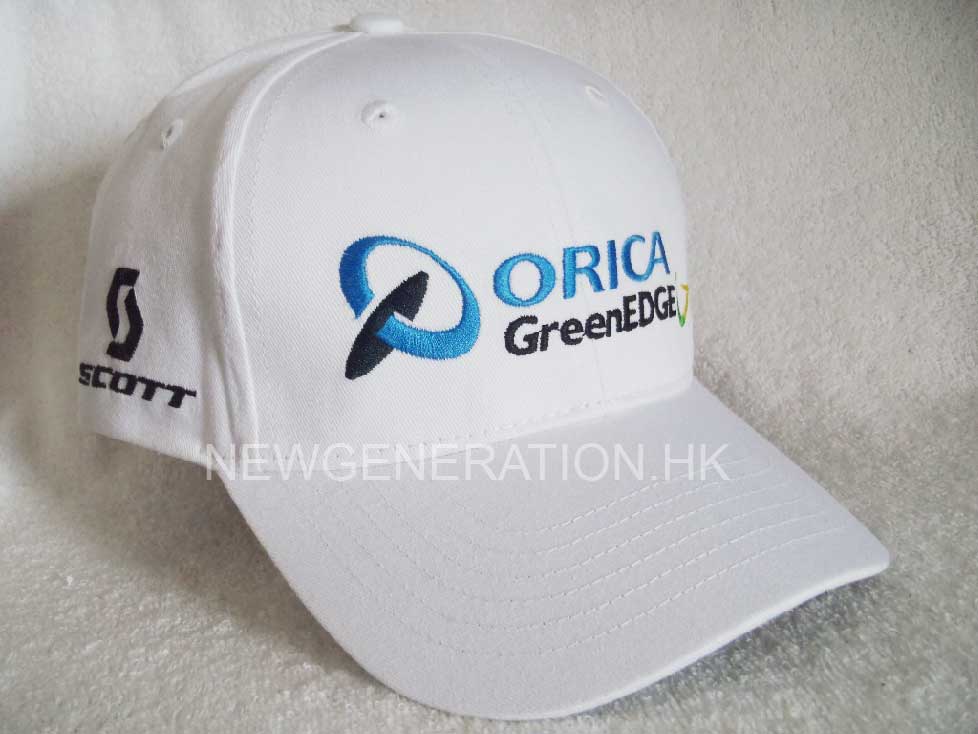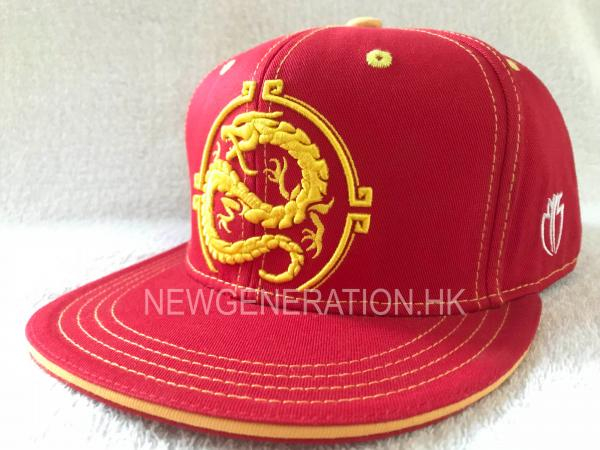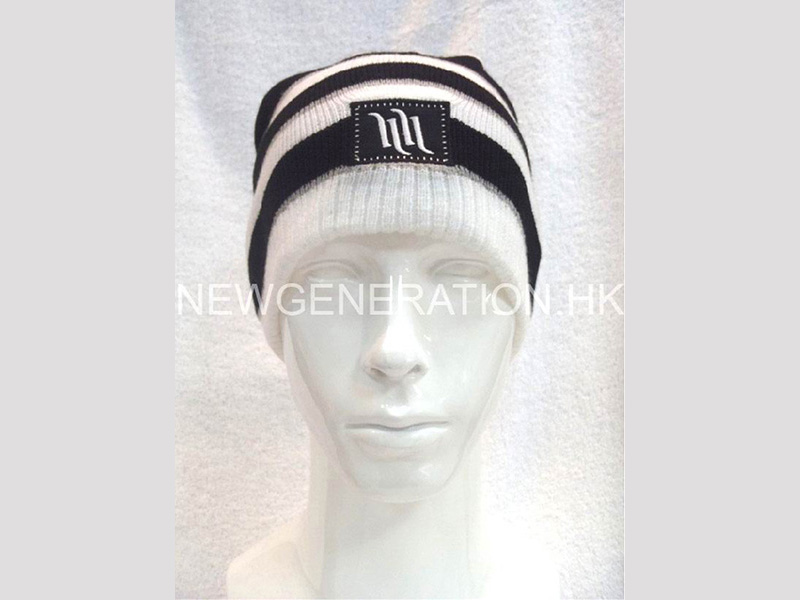


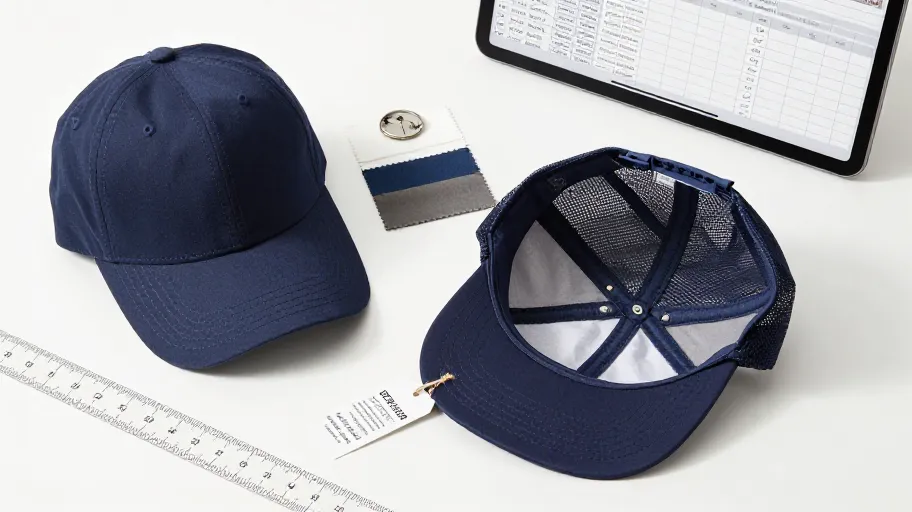
A quotable hat tech pack brief should define the hat silhouette and size range, crown and brim construction, materials and colours, embellishment method with placement measurements, closures and trims, target quantity ranges, packaging expectations, and every open question you want the supplier to answer. Use a structured framework like SPEC-BACK so factories can quote accurately and comparably.
Why the brief determines the quality of the quote
When you ask a custom headwear manufacturer for a quotation, the number you receive reflects the information you provided — not the information you meant to provide. Two factories quoting the same sketch can produce wildly different prices because each made different assumptions about panel count, embroidery density, closure type, or packaging. A complete tech pack brief removes those assumptions and lets you compare quotations on like-for-like terms.
This is preparation work, not negotiation work. The goal is not to lock the lowest figure; it is to make every quotation transparent enough that you can verify what drives cost and delivery, document what was agreed, and approve each stage with confidence.
The SPEC-BACK framework
S — Specifications. State the hat type (six-panel cap, five-panel, bucket, dad cap, beanie, visor), the size or size range, and target fit. Include a reference image or drawing even if rough — labelled beats beautiful.
P — Panel and construction detail. Identify crown panel count, brim type (structured or unstructured; pre-curved or flat), eyelets, seam style, and sweatband construction. These choices affect tooling, sewing time and material yield, so state them rather than leaving them to interpretation.
E — Embellishment method. Specify embroidery (with stitch density and thread colour references), woven or printed labels, patches (material and attachment method), screen print, heat transfer, or a combination. Give placement measurements and artwork in vector format where possible.
C — Compliance and material constraints. List fabric composition (for example cotton twill, brushed cotton, recycled polyester — subject to confirmation of current availability), colour references (Pantone or a physical swatch), and any market-specific regulatory requirements you need the supplier to confirm they can meet. Do not assume certification status; ask the supplier to document it.
A — Attachments and trims. Closure type (snapback, strapback, fitted, elastic), button, buckram stiffness, interior labels, hangtags, and any customer-supplied components.
C — Count and commercial terms. State your target quantity ranges (multiple tiers help factories quote accurately), destination market, packaging method, and labelling requirements. For MOQ, pricing, sampling terms, production scheduling and shipping arrangements, write them as questions in the brief rather than assumptions. Confirm the current policy directly.
K — Known unknowns. Dedicate a final section listing every open question: material alternatives, embellishment feasibility, colour-matching limits, packaging options, and anything else the supplier should address in their quotation. This signals you expect answers, not guesses.
Decision table: what to state vs. what to ask
| Item | Your decision to state | Question to ask the supplier |
|---|---|---|
| Hat type and size range | Specify exactly | Which comparable constructions can they recommend and why? |
| Material and colour | State target fabric and colour reference | What alternatives match your target hand-feel and budget? |
| Embellishment | Method, size, placement, artwork format | Is the artwork feasible at that size and placement? What are the limits? |
| Closure and trims | Choose type | Which options do they stock vs. source? |
| Quantity tiers | Give realistic ranges | What quantity breaks apply to your design? |
| Sampling and approval stages | Define your approval gates | What is their current sampling process and policy? Confirm the current policy directly. |
| Production and delivery | State your target windows as goals | What is their current capacity and scheduling? Confirm the current policy directly. |
| Compliance needs | List your market requirements | Can they document conformance for your market? |
Approval questions to document in writing
Before you sign off on any stage, get written answers to these:
- Does the quotation cover exactly the specification as written, or which items are estimates?
- Which embellishment details are the supplier confident to execute, and which carry risk of revision?
- What happens to the approved sample if you request a change after approval — does it require re-quotation?
- Who owns the artwork, moulds or tooling if the project does not proceed?
- Which stage approvals (material, pre-production sample, bulk) does the supplier require, and in what form?
These questions are project-specific. Answers depend on the supplier's current terms and your design complexity. Confirm the current policy directly for each one.
Self-audit checklist before you send the brief
Use this quick pass before requesting a quotation:
- Hat type, size range and fit target stated
- Crown panel count and brim construction specified
- Fabric composition and colour references included
- Embellishment method, placement measurements and artwork files listed
- Closure, button, labels and trims identified
- Quantity tiers and destination market stated
- Packaging and labelling requirements defined
- Open questions section written
- Version number and date on the document
- Approval gates and response format requested in writing
FAQs
Can I request a quote with just a photo of a hat I like? You can, but the quotation will be built on the factory's assumptions. Even a short brief covering construction, embellishment and quantity ranges will make the response more comparable and reduce revision rounds.
How detailed does artwork need to be? Vector files with placement measurements are the safest starting point. If you only have raster images, flag that in the brief and ask the supplier to assess feasibility rather than quote as if the artwork were final.
Should I include quantity if I'm not sure yet? Yes — as tiers. For example, ask for quotations at two or three realistic volume scenarios. Tiered requests help factories give meaningful ranges without committing you to a single figure.
What's the biggest cause of quote mismatch across factories? Ambiguity in embellishment method, material grade and construction details. Two quotations that look different may describe different products. A structured brief makes those differences visible so you can verify them line by line.
Do I need a full tech pack or a brief to start? Start with a brief using the SPEC-BACK structure; expand it into a full tech pack once a factory is shortlisted and sampling terms are agreed. Confirm the current policy directly on sampling terms before committing.
Get the full working document before you brief your next supplier: 下载 Tech Pack Checklist (download the Tech Pack Checklist) and turn your concept into a quotation-ready brief.
Short on time? Start with the ten-point self-audit checklist above — it takes minutes and catches the gaps factories quote around.
#cap manufacturers china, #headwear manufacturers china, #cap factory