

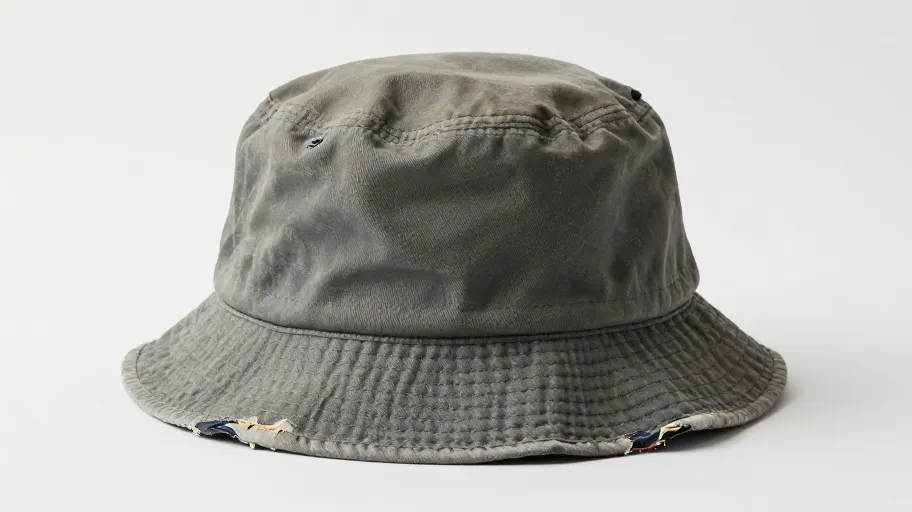
You ordered 500 custom bucket hats. They looked great in the sample photo. Then customers started washing them—and everything went wrong. This checklist reveals what your custom cap manufacturer isn’t telling you about real-world durability.
How one brand lost 22% of customers in 3 weeks
A fast-growing outdoor apparel brand launched their debut bucket hat line expecting praise. Instead, social media exploded with complaints: hats shrank after one wash, seams split on hikes, and logos peeled like old paint. Returns hit 22%, trust vanished, and a second collection was scrapped. The problem wasn’t design—it was production. Their factory passed on price and speed but failed on fabric integrity, stitch precision, and branding durability. The fix? A repeatable Bucket Hat Factory Checklist: Fabric, Construction and Branding Details. Brands using this don’t just avoid disasters—they build loyalty, consistency, and better margins.
Fabric weight isn’t just feel—it’s function
Fabric weight, measured in grams per square meter (GSM), directly impacts how long your hat holds its shape and protects from sun. 220 GSM cotton might feel light and breathable, but it sags in humidity and offers weak UV resistance. At 320 GSM, you get structure and durability—but heavier shipping costs and less breathability. The sweet spot for most climates? 260–290 GSM. That range means all-day comfort without sacrificing form. Higher GSM alone doesn’t guarantee quality—tightness of weave and pre-treatment matter just as much. Untreated low-GSM cotton can shrink up to 8% after laundering, making one-size-fits-most hats unwearable. Pre-shrunk, mercerized cotton at optimal GSM means under 3% shrinkage, better color retention, and a premium look that customers notice. Brands specifying GSM tolerance (+/- 5%) and pre-treatment in contracts saw post-delivery fit issues drop by 67%. That’s not luck—that’s control built into the supply chain.
Stitch density predicts how long your hat lasts
Most budget factories use 8–10 stitches per inch (SPI) on side seams and crown joins. That’s enough to hold fabric together briefly—but not under real use. ASTM testing shows that increasing SPI to 12–14 improves seam strength by up to 40%. That means fewer splits when the hat stretches over the head or gets tossed in a backpack. It also means cleaner curves around the brim and smoother sweatband attachment—no puckering, no loose threads. One European streetwear label raised their minimum SPI from 10 to 13 across all seams and saw returns for ‘poor finish’ drop by 34%. Independent wear tests confirmed those hats lasted nearly twice as long. 12+ SPI means longer product life because tighter stitching resists micro-movement fatigue from daily wear. That kind of durability doesn’t just reduce waste—it makes customers keep your brand in rotation, not in the donation bin.
Two hats, same label, totally different materials
Not all ‘cotton twill’ is created equal. Two hats can list identical fiber content but perform completely differently. Ring-spun cotton with a 3/1 twill weave and enzyme wash drapes better, resists pilling, and maintains shape far longer than open-end spun alternatives—even at the same GSM. Factories skipping these details cut corners invisibly, selling mid-tier fabric as premium. Only a structured audit catches this. Lab-tested GSM verification, SPI measurement, and wash-cycle validation before bulk production mean you’re not gambling on quality. One mid-sized lifestyle brand added ASTM D5034 (tensile strength) and ISO 9001 principles to their small-batch audits. Defect rates dropped from 18% to under 4% in two cycles. That shift saved rework costs, avoided emergency air shipments, and restored customer confidence. It also enabled 30% faster time-to-market—because fewer delays meant more predictable launches.
Branding that survives the first wash
Peeling embroidery isn’t a customer care issue—it’s a manufacturing failure. How well a logo stays put depends on thread quality, stitch count per square inch, and backing material. Low-grade stabilizer backing dissolves in water, causing stitched logos to lift after one wash. High-density embroidery with tear-resistant backing means crisp branding that lasts. We’ve seen brands switch from basic polyester backing to fusible knit stabilizer and eliminate peeling complaints entirely. That change meant customers kept sharing unboxing videos instead of return receipts. Consistent branding execution means your mark stays visible through seasons of use—not just on day one. It builds recognition, reinforces value, and turns accessories into ambassadors for your brand.
From vendor to partner: building quality into every hat
Consistent execution at the factory level doesn’t just prevent failures—it fuels growth. When every hat meets the same standard for fabric, stitching, and branding, customers stop doubting quality and start recommending your brand. A U.S. heritage outfitter adopted the full checklist and saw repeat purchase rates for accessories climb 21% year-over-year. That loyalty didn’t stay isolated—it spilled over into core apparel sales. The real ROI of a technical audit? Turning suppliers from transactional vendors into strategic partners. In an age where reputation lives in unboxing videos and review threads, working with a custom cap manufacturer who welcomes scrutiny isn’t optional. It’s the foundation of a brand people trust—and wear—for years.
#cap manufacturers china, #headwear manufacturers china, #cap factory