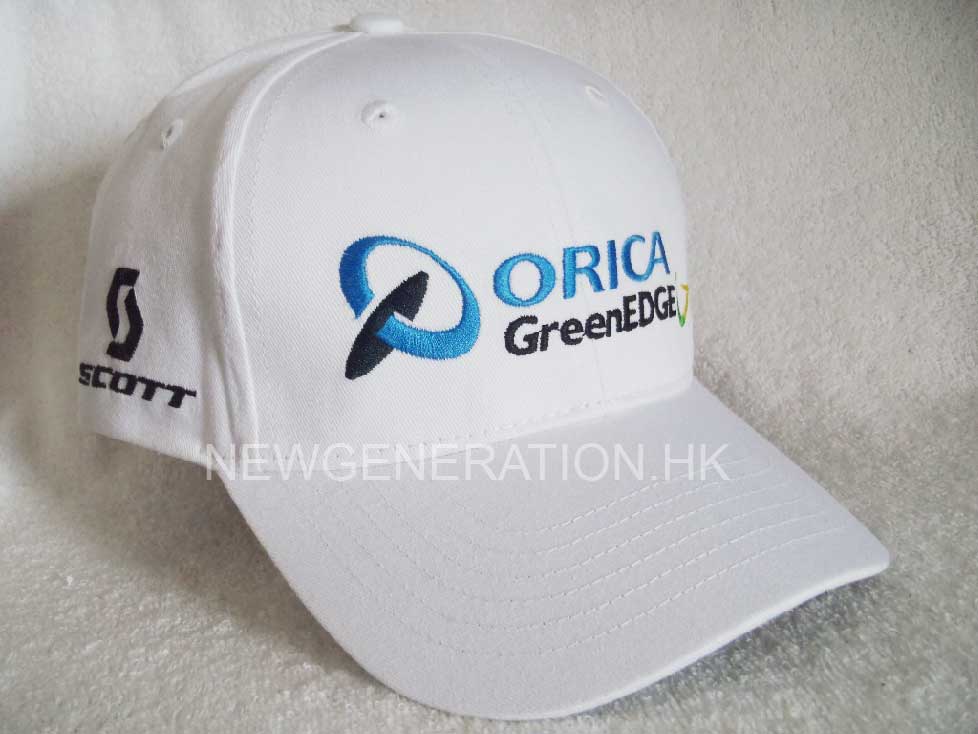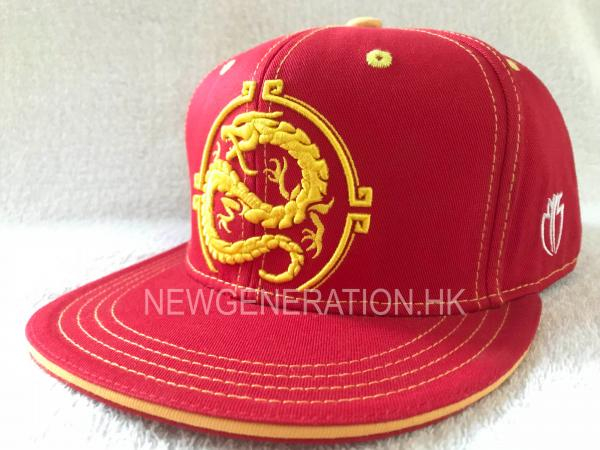


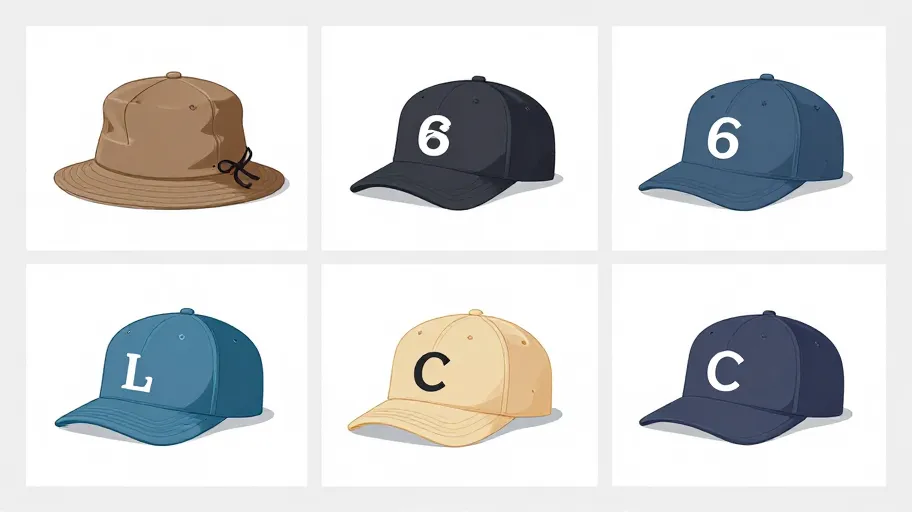
The choice between a 5-panel and a 6-panel cap fundamentally alters your product’s branding potential and fit profile. A 5-panel cap offers a seamless front canvas ideal for large, uninterrupted prints, favoring a modern, streetwear aesthetic. Conversely, a 6-panel cap utilizes a center seam that provides a classic, structured fit suitable for embroidery, making it the standard for team sports and corporate headwear. Selecting the correct construction ensures your decoration method remains durable and your brand identity is accurately represented.
Understanding the Anatomy: The S3 Framework
To move beyond visual preference and make a sourcing decision based on technical feasibility, we apply the "Surface-Structure-Substrate" (S3) Framework. This helps buyers evaluate the cap not just as a garment, but as a branding platform.
1. Surface: The Decoration Zone
The most critical distinction for brand buyers is the front panel surface area.
- 5-Panel: Constructed typically with four side panels and one wider front panel. The key feature is the absence of a center seam on the front. This creates a continuous, uninterrupted surface. For buyers prioritizing large-format logos, all-over prints, or intricate linear designs that span the width of the cap, the 5-panel is superior. It eliminates the risk of the "valley" effect created by seams, ensuring a flat surface for screen printing or heat transfer.
- 6-Panel: Composed of five side triangles and one front triangle, joined by a center seam running down the middle of the forehead. This seam acts as a natural physical barrier for certain decoration types. While embroidery is the standard application here, the needle must pierce through the seam, which can cause minor design distortion or require higher digitizing quality to ensure the pattern aligns perfectly on both sides of the seam.
2. Structure: The Profile and Fit
The number of panels dictates the crown’s geometry and how the cap sits on the head.
- 5-Panel: Often associated with a "low-profile" or "slouch" fit, though high-profile versions exist. The wider front panel naturally drapes closer to the forehead, creating a relaxed, casual silhouette. This makes the 5-panel the preferred choice for lifestyle brands, fashion retailers, and promotional items aiming for a "trendy" rather than "uniform" look.
- 6-Panel: The center seam allows the cap to maintain a higher, more structured crown, especially when supported by a buckram lining. This construction holds its shape better over time and provides a consistent, uniform fit. For team sports, security uniforms, or heavy-duty workwear, the 6-panel offers a standardized, professional appearance that retains its structure through repeated wear.
3. Substrate: Material Compatibility
The interaction between fabric weight and panel construction affects the final drape and durability.
- 5-Panel: Because the front panel is a single piece of fabric, lighter-weight materials (like polyester-mesh blends for truckers or light cotton twill) are prone to sagging without heavy interfacing. Buyers sourcing lightweight performance fabrics must verify if the manufacturer reinforces the front panel to prevent drooping.
- 6-Panel: The seamed construction provides inherent structural stability. Heavy fabrics, such as wool blends or heavy canvas, work exceptionally well here as the seams distribute the tension. When sourcing 6-panel caps, buyers should ask about the rigidity of the buckram (the stiffening fabric inside the crown) to ensure it matches their desired "firmness."
The Decoration Decision Matrix
One of the most common sourcing errors is selecting a cap structure that conflicts with the intended logo. Use the table below to cross-reference your decoration method with the appropriate panel construction.
| Feature | 5-Panel Cap | 6-Panel Cap |
|---|---|---|
| Primary Decoration Method | Screen Print, Sublimation, Heat Transfer, Patches. | Embroidery, Woven Labels. |
| Center Seam | None (Seamless front). | Present (Center front seam). |
| Print Fidelity | Excellent for full-width, edge-to-edge designs. | Poor for designs crossing the seam; risk of ink "gaps" or distortion. |
| Embroidery Feasibility | Good for small logos placed higher on the crown. | Excellent; the seam provides natural tension for the fabric hoop. |
| Design Risk | Risk of the front panel "curling" if heavy decor is applied to light fabric. | Risk of design misalignment if the embroidery is not centered over the seam precisely. |
| Ideal Brand Vibe | Streetwear, Skate, Lifestyle, Modern Retail. | Classic, Corporate, Team Sports, Utility. |
Aesthetic & Market Positioning
When presenting options to stakeholders or aligning with a seasonal collection, consider the market signals sent by each construction.
The 5-Panel: Modern and Minimal The 5-panel cap is currently dominant in the streetwear and boutique markets. Its lineage traces back to cycling caps and trucker hats, but it has been adopted by high-end fashion labels for its clean lines. If your brand narrative involves minimalism, vintage revival, or youth culture, the 5-panel is the safer aesthetic bet. It pairs naturally with flat visors and snapback closures, though leather straps are becoming increasingly popular for a premium feel.
The 6-Panel: Established and Reliable The 6-panel cap is the global standard for headwear. It is ubiquitous in the MLB, NBA, and corporate promotional sectors. It signals tradition and reliability. If your sourcing goal is to outfit a sales force, a sports team, or to create merchandise that feels "official," the 6-panel is the industry default. It accommodates both structured (pro-style) and unstructured (dad hat) profiles, offering greater versatility in terms of how it fits, even if the look is more conventional.
Structural Components: Beyond the Panels
A savvy buyer knows that the panel count is just one variable. To refine your sourcing specification, you must communicate your requirements for the brim and closure.
The Brim (Visor)
- Flat Brim: Often associated with 5-panel snapbacks. Provides a large surface area for secondary logo placement. Requires specific packaging considerations to avoid bending during transit.
- Curved Brim: Standard for most 6-panel caps. The curve can be pre-curved by the manufacturer or left flat for the wearer to break in. When sourcing, ask for the "bend radius" if a specific curve is critical to your brand guide.
The Closure
- Snapback: Plastic adjustable straps. Durable and one-size-fits-most. Common on 5-panels.
- Buckle/Strap: Metal or brass clasps on fabric straps. Adds a premium touch, often seen on 5-panel streetwear caps.
- Fit Strap (Velcro/Duct Tape): Common on 6-panel performance caps. Adjustable but less premium aesthetically.
- Fitted: Elastic or stretch bands (no adjustment). Requires precise sizing data (S/M/L/XL) from the buyer.
Buyer’s Approval Checklist
Before initiating a bulk order or signing off on a pre-production sample, use this checklist to verify technical details with your manufacturer. Do not assume standard specifications align with your needs.
- Confirm Front Panel Reinforcement: If choosing a 5-panel light-material cap, is the front panel fused or backed to prevent sagging?
- Verify Seam Alignment: For 6-panel embroidery, request a digitized sample to ensure the logo design bridges the center seam without distortion.
- Check Buckram Durability: For structured 6-panel caps, ask what grade of buckram is used. Will it soften or warp after washing?
- Color Fastness Testing: Have specific fabric swatches been tested for color fastness, particularly for 5-panel caps destined for all-over sublimation printing?
- Visor Construction: Is the visim material (paper, plastic, or sand) appropriate for the desired stiffness? Does it match the cap body fabric?
Frequently Asked Questions (FAQ)
Can I embroider a large logo on a 5-panel cap? Yes, but with limitations. Because the 5-panel lacks a center seam, the fabric is looser. Large, dense embroidery designs can cause the fabric to pucker or "gather" around the stitching. For large logos on 5-panels, consider a woven patch or a heavy-density screen print instead of direct embroidery.
Which cap style is more cost-effective to manufacture? Generally, the 6-panel cap is the industry standard and often benefits from higher economies of scale. However, 5-panel caps can be equally cost-effective if using standard fabrics. The price driver is usually not the panel count itself, but the fabric complexity, decoration method, and brand of the closure (plastic vs. metal). Always request a quote based on the entire Bill of Materials (BOM).
Do 5-panel caps fit differently than 6-panels? Fit is determined by the crown height and the opening circumference, not strictly the panel count. However, 5-panels tend to sit lower on the forehead due to the single front panel, while 6-panels can be constructed to sit higher (more volume on top of the head). Always request a "fit sample" to test the sizing on actual wearers.
Is the "trucker hat" a 5-panel or 6-panel? The classic trucker hat is a 5-panel cap (mesh back with foam front). The seamless front was originally designed to act as a billboard for print advertising in the agricultural sector. While 6-panel truckers exist, the 5-panel is the archetype for this style.
How do I handle sizing for international markets? Sizing standards vary. It is crucial to confirm if the manufacturer uses US, UK, or Asian sizing standards for their "One Size Fits Most" (OSFM) measurements. Provide your supplier with a specific head circumference range (e.g., 57cm–61cm) to ensure the closure system can accommodate your target market.
Ready to finalize your headwear specification?
Don't leave your sourcing decision to guesswork. Organize your requirements and compare decoration constraints effectively.
[CTA: Download the Headwear Style Selection Table]
Ensure your next order meets your quality standards.
[Secondary CTA: Get the Pre-Production Sample Checklist]