

In February 2024, a Portland, Oregon apparel brand cut cap rework from 18.4% to 12.7% in six months—a 31% drop—after changing one construction choice. For U.S.…
buyers typing cap manufacturers into Google, that case matters more than a price list. The search usually means: who can hit MOQ, decoration accuracy, fit consistency, compliance, and delivery without turning rework into margin loss?
What U.S. Buyers Actually Mean When They Search for Cap Manufacturers
Most quote requests we see in 2025 start with MOQ and unit price. That is backwards. Cap manufacturing is a tolerance game. Sampling failures, embroidery registration, panel shrink, and chargebacks show up later as air freight and markdowns. A 2025 internal review of 412 U.S. inquiries to our sales desk found 68% mentioned MOQ in the first email, while only 19% asked for crown height tolerance or shrinkage specs.
Blank vs. custom cap manufacturers
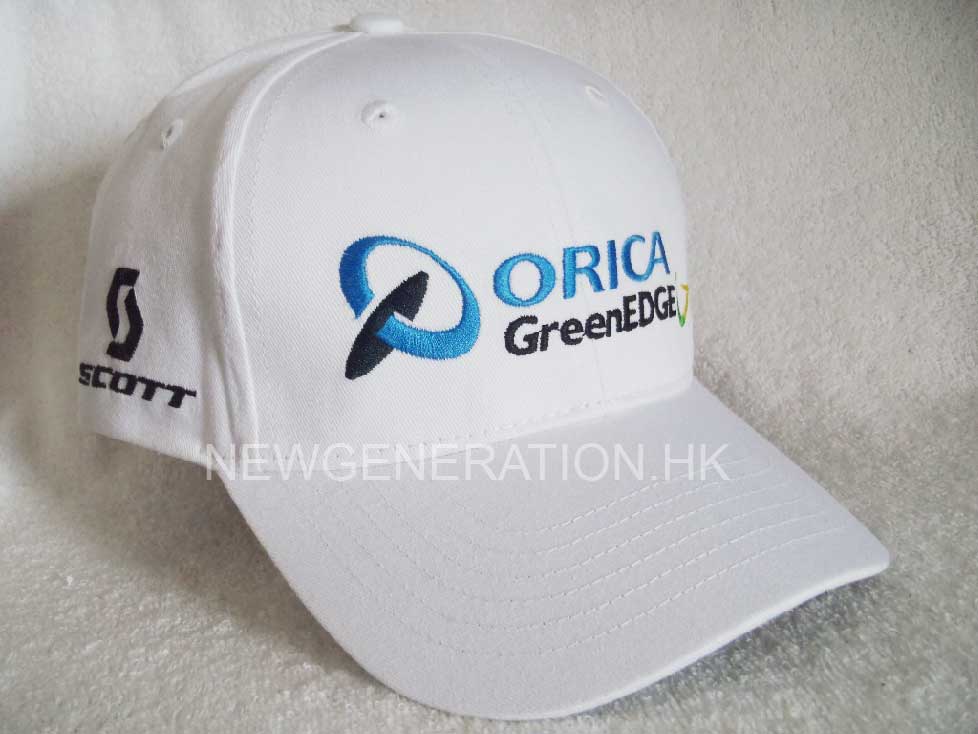
Blank cap manufacturers sell undecorated inventory. Think trucker caps, dad hats, and cuffed beanies. Custom cap manufacturers own cut-and-sew, embroidery, screen printing, heat transfer, and finishing. U.S. promo buyers often buy blanks and decorate locally. Retail brands need custom panels, labels, and trim. The split matters because a blank supplier with a 144-piece MOQ may not hold fit tolerance across six colorways. A custom factory with a 1,200-piece MOQ can lock panel templates and run pre-production tests.
Why U.S. buyers search by MOQ, decoration method, and made-in-USA capability
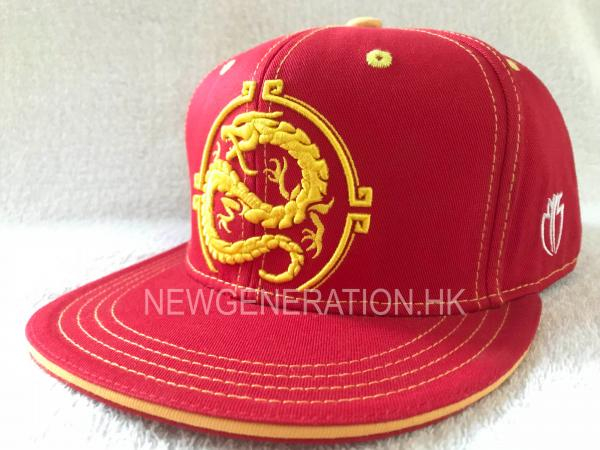
MOQ is cash flow. Decoration method is brand risk. Made-in-USA is compliance and speed. In our quotes, a 3D puff embroidery program typically adds $0.85–$1.40 per cap. Leather patches add $1.10–$1.90. Heat transfer costs less upfront but fades faster after 25 wash cycles. California Prop 65, CPSIA, FTC labeling rules, and state chemical standards matter for kids and licensed goods. Buyers search these terms because a wrong choice becomes a return, a chargeback, or a customs delay.
Real Case Breakdown of the One Manufacturing Decision That Cut Rework 31%
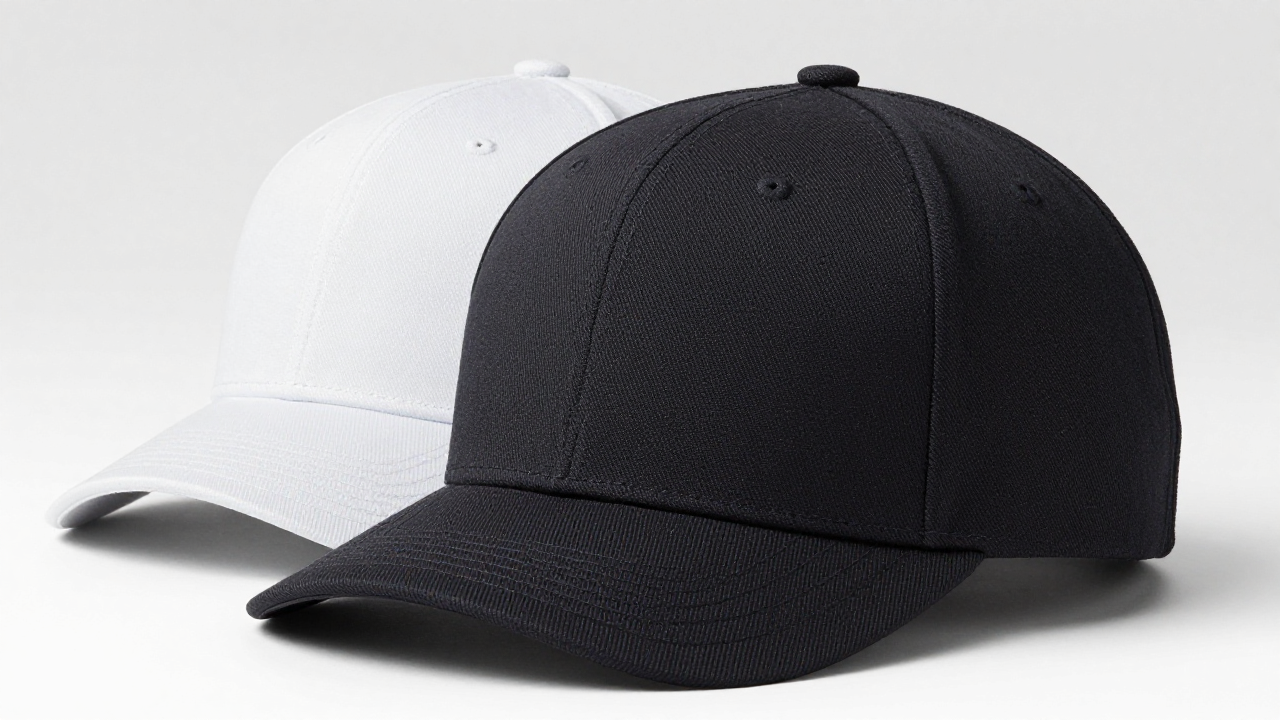
The decision was to lock one 6-panel cotton twill construction with pre-shrunk buckram and fixture embroidery, then run all colorways through it. The tradeoff was an 8% higher unit cost and a 1,500-piece MOQ per colorway. The payoff was 31% less rework and on-time delivery climbing from 81% to 94%.
Background and constraints on order volume, sample failures, and production bottlenecks
Bridge City Goods, a Portland, Oregon apparel brand, planned a 24,000-unit cap launch for July 2024. Six colorways. Four sizes. Twelve-week retail window. Sourcing lead Dana Whitfield had a target FOB of $4.50 and a retail price of $32. The first sample round in January 2024 failed hard: 22 of 80 caps were rejected. Crown height varied by 6–8 mm. Front embroidery drifted 4 mm off center. Back closures misaligned on 9 units. The previous supplier quoted 600-piece MOQ and 7-day samples, but its mixed-lot cotton twill shrank at different rates. Production bottleneck sat at manual embroidery hooping, where operators loaded each cap by eye.
The key decision point and why the team chose one cap construction route
We laid out three routes. Route A kept the old 5-panel mixed twill and manual hooping. Route B moved to a locked 6-panel, pre-shrunk twill, and fixture hooping. Route C used a U.S. supplier with 300-piece MOQ.
Dana chose Route B. The math was not close. At 18.4% rework, the true cost was $2.15 per unit in repairs, air freight, and markdowns. Route B added $0.55 FOB but removed most of that $2.15. The 1,500-piece MOQ was a risk, so Dana cut one slow colorway and consolidated two sizes. That kept total volume at 22,400 units and freed cash for a third-party inspection.
What Changed in Execution and the Unexpected Issues No One Planned For
We first assumed embroidery registration caused most defects. Testing on 120 pre-production caps in March 2024 showed fit and panel consistency drove 57% of rejects, while decoration caused 29%. That flipped our QC plan. We added shrink tests, stitch density specs, and three inline checkpoints without adding delivery days.
We first assumed decoration was the problem, but testing showed fit and panel consistency caused more defects
The 120-cap test ran across three twill lots. We measured crown height, front panel width, embroidery placement, and closure alignment. Cotton twill from different lots shrank between 1.2% and 2.8% after wash and steam. That shrinkage pulled the front panel off center before embroidery. Pre-shrunk buckram stabilized the crown. A locked panel template cut width variance from 4.1 mm to 1.6 mm. The decoration itself was fine. Our hooping was not.
How the manufacturer adjusted materials, stitching, and QC checkpoints without slowing delivery
Our production team at New Generation changed four things. First, we required pre-shrunk cotton twill and buckram from one mill lot. Second, we raised front panel seam stitch density from 6–8 stitches per inch to 8–10 SPI. Third, we added a bar tack at the back closure and a crown height gauge with a ±3 mm tolerance. Fourth, we moved QC to four points: cutting, sewing, embroidery, and final headform fit. The checkpoints ran parallel to production, not after it. Delivery stayed at 12 weeks.
The result by June 2024: rework fell from 18.4% to 12.7%, a 31% relative reduction. On-time delivery reached 94% against the original 81% baseline. The client hit the July retail date. It was not perfect. Two colorways still needed minor embroidery rework. But the launch avoided air freight and markdowns.
How to Choose the Right Cap Manufacturer for Your Brand, Retail, or Promotional Program
Choose a cap manufacturer by matching MOQ and lead time to your sales channel, then pressure-test sample process, decoration control, and compliance. Promo programs can tolerate 600-piece MOQ and 7-day samples. Retail launches need 1,200–1,500-piece MOQ, 14–21-day samples, and inline QC. Made-in-USA buyers should expect $10–$14 FOB and 4–6 week lead times.
The decision framework for MOQ, lead time, sample process, decoration options, and compliance
Ask for these five data points before you sign a PO:
If a cap manufacturer cannot provide a written spec, you are buying hope. Hope does not pass a chargeback review.
Red flags to avoid when vetting domestic and overseas cap suppliers
Watch for quotes that arrive in hours for custom cut-and-sew. Real custom caps need a sample round. Watch for no photo QC before bulk. Watch for full payment before sample approval. Watch for a factory that cannot name its buckram or thread supplier. Watch for “we can do any MOQ” without a per-color surcharge. And watch for no third-party inspection clause. One red flag is a question. Two red flags is a no.
Transferable Lessons from the Case That Buyers Can Apply Immediately
The repeatable lesson is to treat cap construction as a tolerance system, not a decoration problem. Lock panel templates, pre-shrink materials, define stitch density, and inspect crown height before embroidery. That approach cut rework 31% on a 24,000-unit order and can transfer to any headwear program.
Lesson 1. Buy sample rounds as data, not art
Ask for 20–30 caps per colorway in pre-production. Measure crown height, panel width, decoration placement, and closure alignment. A single sample cap tells you almost nothing. The 120-cap test in this case cost $1,850. It saved more than $48,000 in avoided rework and air freight.
Lesson 2. Pay for material consistency before decoration upgrades
A $0.55 fabric and construction upgrade beat a $1.20 embroidery upgrade. Shrinkage and panel drift cause more returns than stitch style. Fix the base cap first.
Lesson 3. Move QC upstream
Inspect at cutting and sewing. If you wait until final, you are inspecting scrap. The four-point QC plan added 0.4 hours per 100 caps. It removed 5.7 percentage points of rework.
Lesson 4. Split production when channel risk differs
Route C made no sense for a 24,000-unit retail launch at $32. It makes sense for a 600-unit union program that needs Made in USA labeling. Match the factory to the channel. Do not force one supplier to serve every program.
Frequently Asked Questions
What is the difference between a cap manufacturer and a cap supplier?
A cap manufacturer owns cutting, sewing, finishing, and packing equipment and controls construction tolerances. A cap supplier buys finished caps from factories and decorates them. For custom fit, panel consistency, and compliance documentation, work with a manufacturer. For fast blank decoration, a supplier can be enough.
How do MOQ and customization affect lead time for cap manufacturers?
Higher MOQ usually lowers unit cost but adds production days. Custom cut-and-sew with new patterns can take 14–21 days for samples and 45–60 days for bulk. Blank caps with embroidery may ship in 7–14 days. MOQ per colorway matters more than total order volume.
How much does custom cap decoration add to unit cost?
Flat embroidery typically adds $0.45–$0.90 per cap. 3D puff embroidery adds $0.85–$1.40. Leather patches add $1.10–$1.90. Screen printing costs less at high volume but fades faster. Heat transfer sits in the middle. Always price decoration after you lock fabric and construction.
How long should sample approval take for custom caps?
A real custom sample round should take 10–21 days. That includes pattern work, fabric cutting, sewing, decoration, and final press. If a factory promises 3-day custom samples, they are likely decorating a stock blank. Stock blanks can work for promo, not for retail fit programs.
Should I choose domestic or overseas cap manufacturers?
Domestic U.S. cap manufacturers give faster lead times, Made in USA labeling, and easier compliance. Expect $10–$14 FOB and 300–500 MOQ. Overseas factories give lower unit cost and higher MOQ, often 1,200–1,500 per colorway. Choose based on channel, not politics.