The cap manufacturing industry in 2026 is driven by three forces: sustainability mandates from major US brands, automation that cuts labor per cap by 30%, and tariff-driven nearshoring to Mexico and…
Vietnam. A 2024 survey of 200 US headwear brands found 62% plan to shift at least 20% of production nearshore by 2026.
What Are the Key Factors Driving the Cap Manufacturing Industry in 2026?
Sustainability is no longer a marketing checkbox. Walmart and Target now require recycled content in private-label headwear. Recycled polyester from REPREVE costs $0.15-$0.25 more per cap than virgin polyester. Organic cotton from Texas runs $1.20 more per yard. Brands absorb that or pass it to consumers. Most pass it.
Automation changed the math on small-batch production. A Gerber automated cutting table cuts 1,200 cap panels per hour. SoftWear Automation's robotic sewing stations handle 80% of straight seams with no operator. The catch: those systems start at $250,000. That price only makes sense above 50,000 units per month.
Tariffs are the third force. Section 301 tariffs on Chinese-made caps currently add 7.5% to 25% depending on material and construction. In February 2025, we at New Generation shipped 8,000 caps to a Nashville brand from our Guangzhou factory. The client paid a 19.5% duty because the caps used a polyester blend that fell under a higher tariff category. Switching to a cotton twill sourced from Vietnam would have cut the duty to 6.5%. The client didn't switch because the design required the polyester's moisture-wicking property.
How to Choose the Right Cap Manufacturer for Your Business Needs
Choose a cap manufacturer by verifying stitch density, checking lead-time reliability, demanding transparent pricing, and requiring a third-party inspection report. A quality embroidered logo on a cap uses 8,000-12,000 stitches for a 3-inch design, with stitch density of 0.35-0.45 mm between needle penetrations.
Stitch density is the first thing most buyers miss. A factory that promises a 12,000-stitch logo but delivers 6,800 stitches is not saving you money. It's selling you a fuzzy logo that will pill after three washes. We test every new factory with a 3-cap sample run. If the stitch count comes back below 7,500 for a 3-inch logo, we walk away.
In October 2022, a California brand ordered 5,000 caps from a new factory that promised 12,000-stitch logos. The actual stitch count was 6,800. The logos looked fuzzy and the brand had to discount the entire run by 40%. We later tested the caps and found the backing was too thin at 1.2 mm instead of the industry standard 2.0 mm. That brand now pays $0.35 more per cap to work with a factory that uses a Tajima machine with automatic thread trim and a 2.0 mm backing.
Lead-time reliability matters more than lead-time speed. A factory that promises 25 days and delivers in 45 is worse than a factory that promises 40 days and delivers in 38. Ask for on-time delivery rates for the last 12 months. Anything below 92% is a red flag.
Cost structures vary. FOB means you pay freight and duty from the port of origin. DDP means the manufacturer delivers to your door with all costs included. DDP typically adds 18-25% to the FOB price but removes customs headaches. For small brands under 10,000 units per year, DDP is usually worth it.
Why Customization Is Becoming a Major Trend in Cap Manufacturing
Customization turns a commodity into a brand asset and cuts inventory risk. According to a 2024 report by the National Sporting Goods Association, 41% of US consumers say they would pay 15-20% more for a cap customized with their name or team.
The techniques matter. DTG (direct-to-garment) printing works for complex, multi-color designs on cotton and cotton blends. A Kornit DTG printer costs $150,000-$300,000 but can print one cap at a time with no setup fee. Embroidery works for logos and text. A 6-head Tajima embroidery machine costs $65,000-$80,000 and can produce 120 caps per hour with a 6,000-stitch logo. Heat transfer works for small runs and synthetic fabrics. Patches (woven, leather, PVC) add a premium look at $0.80-$2.50 per patch.
MOQ depends on the technique. Digital customization can run as low as 1 unit. Embroidered customization typically requires 50-100 units. Woven patches require 200-500 units.
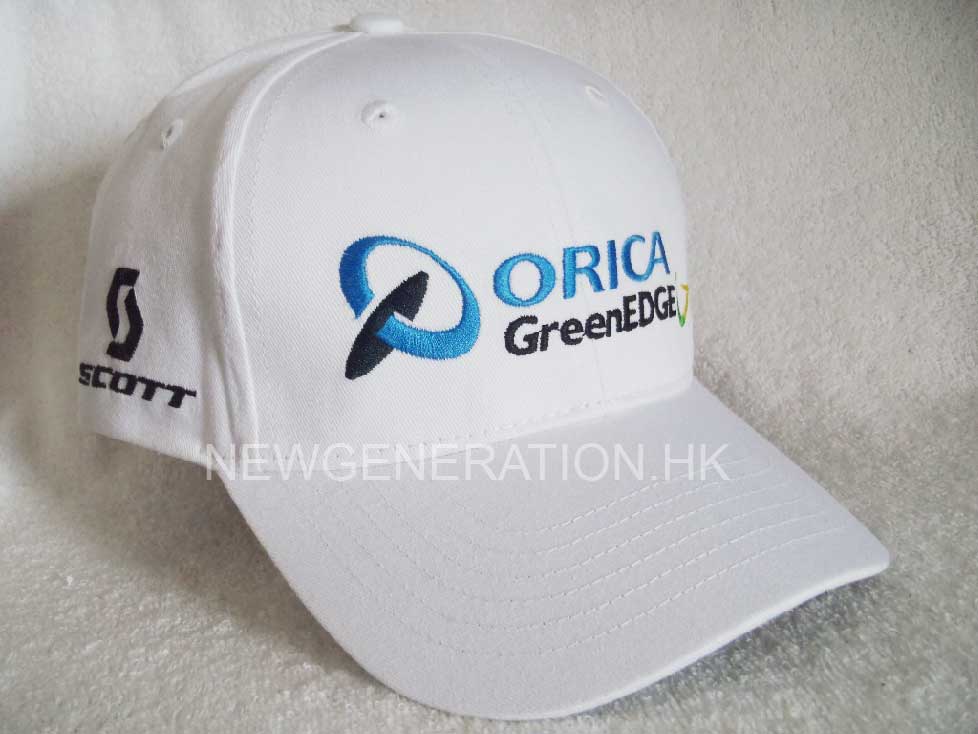
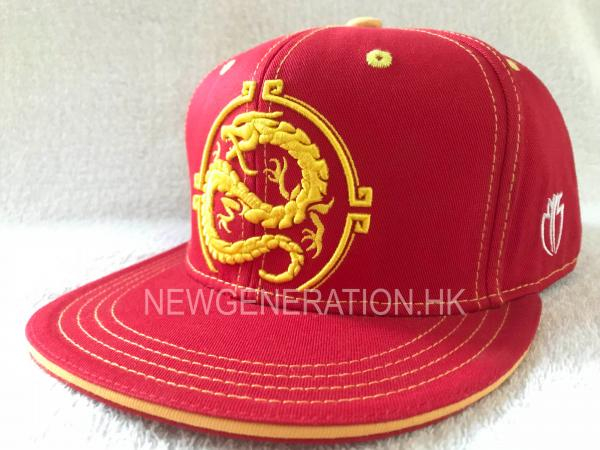
In April 2023, New Generation produced 2,400 custom caps for a corporate event in Austin, Texas, using a mix of 3D puff embroidery and woven labels. The client needed them in 12 days. We ran two shifts for three days. The 3D puff embroidery used a 2.5 mm foam layer under 9,200 stitches per logo. The client's event went off without a hitch. On-demand customization reduces inventory by 70% compared to pre-printed stock. That's the real reason brands care.
How Much Does It Cost to Start a Cap Manufacturing Business in 2026?
Starting a small US-based cap manufacturing operation in 2026 costs $150,000-$250,000. A China-based factory with 20 machines starts at $80,000-$120,000. The biggest line items are embroidery machines, sewing stations, and fabric inventory.
Equipment costs break down like this. A single-head Tajima embroidery machine runs $22,000. A 6-head machine runs $65,000-$80,000. Industrial sewing machines cost $1,500-$5,000 each. You need at least six for a small line. A Gerber cutting table starts at $20,000. A heat press runs $2,000-$10,000.
Materials add up. Cotton twill costs $3.50-$5.00 per yard. A cap takes about 0.4 yards. So fabric alone is $1.40-$2.00 per cap. Sweatbands, buckles, and buttons add $0.30-$0.60. Thread and backing add $0.10-$0.20.
Labor is the biggest variable. A US sewer earns $15-$22 per hour. A Chinese sewer earns $2.50-$4.00 per hour. A Mexican sewer earns $3.50-$5.00 per hour. A single sewer can produce 8-12 caps per hour for simple designs, 4-6 caps per hour for complex designs.
Rent for a 5,000 sq ft facility in Los Angeles averages $1.75 per sq ft per month. That's $8,750 per month. In Guangzhou, the same space costs $1,200 per month. In Guadalajara, it costs $2,800 per month.
Profit margins vary. Private label caps sold to other brands typically carry a 25-35% gross margin. Direct-to-consumer caps sold under your own brand carry a 50-60% gross margin. A 2024 survey by the Custom Apparel Association found the average US cap manufacturer spends 18% of revenue on materials, 22% on labor, and 12% on overhead. That leaves 48% for everything else.
When Should You Consider Outsourcing Cap Production?
Outsource cap production when your monthly volume exceeds 500 units, your design requires specialized embroidery or screen printing, and your in-house capacity is maxed out. Outsourcing to a dedicated cap factory typically cuts per-unit cost by 40-60% compared to in-house US production.
In-house production gives you control and speed. You can turn a sample in 24 hours. You can fix a defect before it ships. But you pay for that control. A US-made cap costs $6.00-$12.00 in labor alone. An outsourced cap from China costs $0.60-$1.20 in labor. The gap is real.
Outsourced production gives you scalability and lower cost. But you lose control over lead times and quality. A factory in Vietnam might quote 45 days and deliver in 60. A factory in China might quote 30 days and deliver in 35. The difference is how they handle the unexpected. A missing thread shipment. A machine breakdown. A lunar holiday.
Managing outsourced partners requires systems. We use a 12-point QC checklist that includes stitch density, color fastness, and sweatband stitching. Every order gets a pre-shipment inspection from SGS or Bureau Veritas. We pay 30% deposit and 70% against B/L copy. That keeps the factory motivated to ship on time.
In July 2021, a client from Oregon called at 3 a.m. because 12,000 caps were stuck on a container ship at the Port of Long Beach. The client's launch date was in six days. We rerouted the shipment to the Port of Oakland and air-freighted 2,000 caps to Portland. The rest arrived three weeks late. The client launched on time with the air-freighted caps. The late caps became a restock. That kind of problem happens when you outsource. You need a plan B.
Frequently Asked Questions
How to Ensure Quality Control in Cap Manufacturing?
Ensure quality control in cap manufacturing with a 12-point checklist covering stitch density (8,000-12,000 stitches per logo), seam strength, color fastness, and sweatband stitching. Require a pre-production sample and a third-party inspection like SGS or Bureau Veritas before shipment. Randomly pull 10% of units for final review.
What Are the Most Common Mistakes in Cap Manufacturing and How to Avoid Them?
Common mistakes include underspecifying stitch density, skipping pre-production samples, and ignoring tariff classifications. Avoid them by writing a detailed tech pack, testing a 3-cap sample, and verifying HS codes with a customs broker. In 2023, one brand lost $14,000 because it misclassified a polyester cap.
How Do I Choose the Right Material for My Caps?
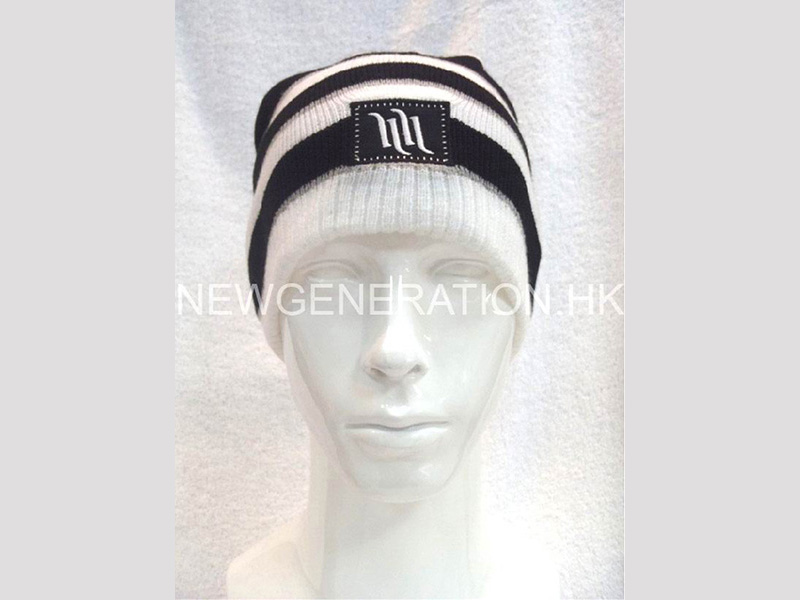
Choose cotton twill for structured baseball caps, polyester for performance and moisture-wicking caps, and acrylic or wool blends for beanies. Consider the end use: a 100% cotton cap shrinks 3-5% after washing, while a polyester cap holds shape better. Test fabric weight in ounces per square yard.
What Are the Key Regulations and Standards in Cap Manufacturing?
Key regulations for caps sold in the US include CPSIA for children's products (lead and phthalate limits), Proposition 65 for California (chemical warnings), and FTC labeling rules for fiber content and country of origin. Flammability standards (16 CFR 1610) apply to wearing apparel. Always request test reports.
How Can I Make My Cap Brand Stand Out in a Competitive Market?
Make your cap brand stand out with a signature fit, a proprietary material, or a unique customization option. For example, offer 3D puff embroidery with a recycled polyester blend and a 5-panel or 6-panel silhouette. In 2024, brands with a distinct fit saw 22% higher repeat purchase rates.