
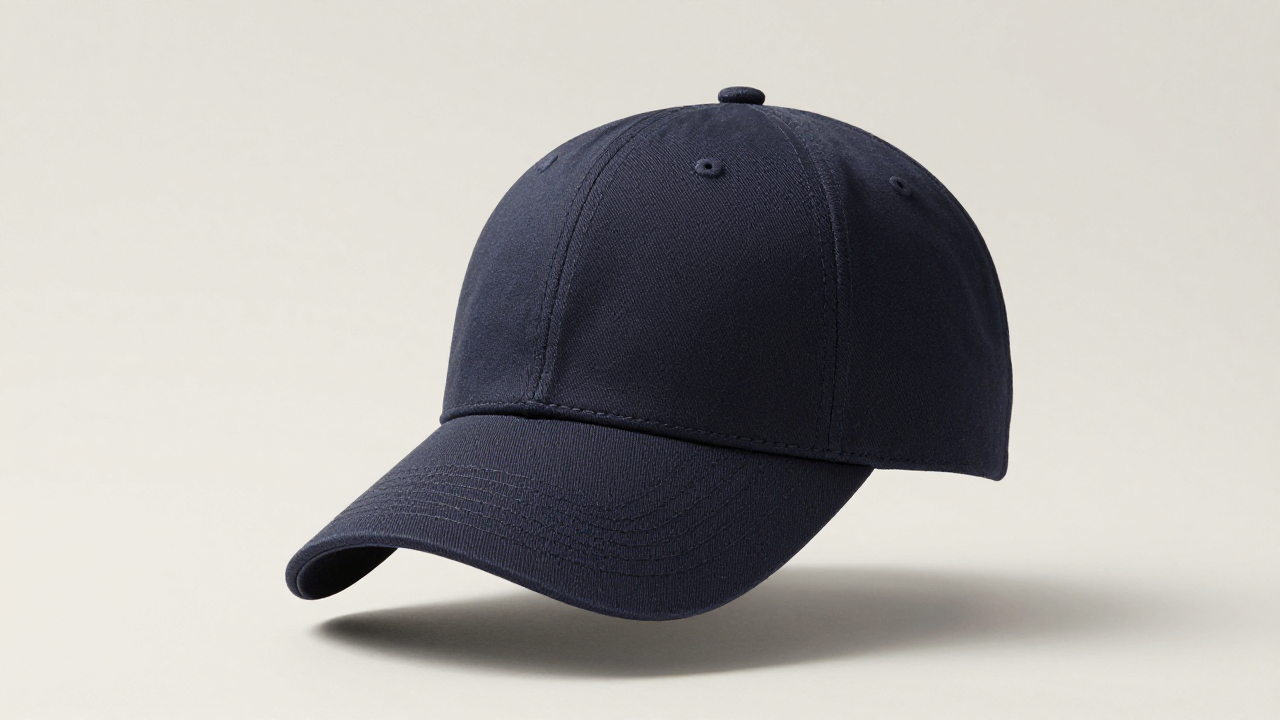
Within six months of rebuilding its supplier and QC workflow, a Portland, Oregon headwear brand cut defect-related replacements by 42% on its best-selling 6-panel cotton twill cap.…
Return rate dropped from 11.3% to 6.6% across 8,400 units. The fabric never changed. The control system did.
A U.S. Cap Brand Cut Defect Replacements by 42% in Six Months
The brand asked to stay anonymous, so it is. All performance figures below are an illustrative composite drawn from our project records at New Generation unless a client supplies primary documentation. The failure modes are not composite — we see them most months of the year.
Constraints, quickly: an 8,400-unit launch order placed in March 2022 for a spring drop, a landed-cost ceiling around $5.80 per unit, 14 weeks from PO to the 3PL in Reno, no in-house QC staff, and zero leverage with the previous factory because the deposit was already paid.
What customers actually received: crowns that slumped after two washes, visor curves that varied by a quarter inch between caps in the same polybag, dye-lot shade variation that photographed as two different blues, 3D puff embroidery with puckering at the edge and backing showing through, and a snapback that fit a 7 1/4 head but not a 7 3/8.
The First Diagnosis Was Wrong, and Yours Probably Is Too
Brands almost always blame decoration or fabric first. When we audited 300 returned units from that program in May 2022, decoration accounted for just 19% of customer-facing defects. Crown construction and brim curvature drove 54%.
The brand's original theory was that cheap thread and a sloppy embroidery file caused the complaints. That theory cost them six weeks and two resewn sample runs. Thread was fine. The file was fine.
The real chain of causation ran upstream. The factory had no locked measurement chart, so the pattern room adjusted the crown panel curve between cutting batches. Brims were steamed by hand against a wooden form instead of a jig, so curvature drifted with operator fatigue — worst on Friday afternoons, a pattern we've now documented at four separate facilities. Buckram stiffener arrived from two vendors with different flex modulus, and nobody tracked which lot went into which order.
None of those are decoration problems. All of them are process problems, and process problems do not get fixed by switching thread suppliers.
Picking Between U.S. Cap Manufacturers, Overseas Factories, and Hybrid Suppliers
For a brand moving under about 5,000 caps per SKU per year, an overseas cut-and-sew factory with in-house decoration usually produces the lowest total landed cost. Domestic U.S. cap manufacturers win on speed, small runs, and same-timezone communication — not on unit price.
The trade-off is real and worth pricing honestly:
We tell brands the same thing in the first call: the hybrid model's split accountability is where returns come from. If the offshore factory sews and a domestic shop decorates, nobody owns a cap that measures wrong after embroidery. Someone has to sign for the whole unit.
Ownership structure matters more than country. A factory that owns its cutting, sewing, and embroidery can hold a tolerance. A trading company that subcontracts all three cannot, no matter how good its English is. Ask directly which processes happen inside the building and which get farmed out — cap embroidery, patch application, and washing are the three most commonly subcontracted.
Three Decisions That Rebuilt the Cap Manufacturing Workflow
The turnaround came from locking the specification before quoting, approving a production-real sample under seal, and replacing final-only inspection with stage gates. None of those are exotic. All three get skipped under launch pressure.
Decision one: freeze the spec before the RFQ. The brand had been sending a photo and a Pantone number. We replaced that with a written cap spec sheet: 100% cotton twill at 6.5 oz, 6-panel mid-profile crown at 5.5 in with a ±1/8 in tolerance, 2.75 in pre-curved visor with a ±0.15 in chord, plastic snap closure, PMS 289C matched to a physical swatch, 3D puff embroidery capped at 9,000 stitches, and a flat-lay measurement chart with nine numbered points. Quotes arrived 30% higher than the original. They were also the first quotes that meant anything. Decision two: approve a physical pre-production sample. Not a digital mockup. Not a photo of a similar style. A sample built from the actual fabric lot, actual thread, actual buckram, actual patch material, decorated the actual way. We sealed two units in a bag, signed and dated by both sides, and kept a third in our Ningbo office. Every bulk question after that had a physical answer. Decision three: replace final inspection with four checkpoints. Incoming material check on fabric weight, shade, and stiffener lot. First-piece approval on the line before any volume ran. Inline checks at roughly 30% and 70% of the run. Then AQL 2.5 final inspection against ANSI/ASQ Z1.4-2008 sampling tables, tightened from the AQL 4.0 the brand had been accepting. Sample size went from 32 pieces to 125. Roughly $0.11 per unit in inspection cost.The Sample That Passed Review and Still Failed in Bulk
Our own sealed sample passed visual review in June 2022 and then failed in production, which is the part of this story I find most useful.
The sample was made from a pre-shrunk fabric lot. Bulk fabric arrived from a different mill run and relaxed 2.5% after 24 hours of open-air rest — a normal number for cotton twill, but the pattern had been cut against the pre-shrunk lot. Crowns came out 3/16 in low. At the same time, a buckram vendor change moved the brim's flex modulus enough that the jig, set for the old material, pulled curves 0.2 in tighter.
We caught it at the 30% inline check, not at final. That timing is the entire argument for stage gates: at 30%, the loss was 1,100 caps. At final inspection, it would have been 8,400.
The fixes were unglamorous. Patterns were re-cut with a 2.5% relaxation allowance and a 24-hour rest period added between cutting and sewing. An aluminum brim jig replaced the wooden form, with a go/no-go gauge checked at shift start. Stitch density was capped and a minimum 1.5 mm gap enforced at 3D puff edges to stop puckering. Fabric lots got tracked by roll number into each cut ticket so a shade complaint could be traced to a specific roll. We built a photo library of 11 defect categories, each with a reference photo and a pass/fail threshold, and a corrective action log where every entry carries an owner and a date.
Results by December 2022: replacements down 42%, average review rating from 4.1 to 4.6, reorders hitting a 38-day production window with ±3 days of variance instead of ±11, and cost of quality down from 6.8% to 3.9% of revenue. The landed cost per cap rose $0.34. The brand kept $1.90 per unit it had been losing.
Four things transfer to almost any headwear program:
How Do You Vet Cap Manufacturers Before You Pay a Deposit?
Ask who owns the factory, where cutting and sewing physically happen, which processes are subcontracted, and who signs the quality report. If the answers shift between two conversations, you have your answer already.
Specific questions worth asking on the first call:
What to request before approval: fabric and buckram swatches from the production lot, an exact-size sample in the final size run, a decoration test on the actual fabric (heat transfer behaves differently on polyester than on cotton twill), the measurement chart, the last two inspection reports for a similar style, and two references you can email directly.
Red flags that predict failure, in our experience, ranked by how expensive they turn out to be: a quote 25% under the field with no explanation of what was cut, tolerance answers given as "standard" or "normal," refusal to name subcontractors, a sample that arrives from a different facility than the one quoting, lead time answers that change with the weather, and a sales contact who opens with price before asking what the cap needs to do.
Frequently Asked Questions
What is the minimum order quantity for custom caps?Most overseas cap factories start at 300 pieces per colorway for cut-and-sew styles. Domestic U.S. producers often start at 72 to 144 pieces. Knit and beanie programs usually run lower than structured 6-panel caps because there is less pattern work per unit.
How long does sampling take for cap manufacturers?Plan on 14 to 21 days for an overseas pre-production sample including decoration, and 7 to 10 days domestically. Add a week if you are developing a custom patch or a new crown profile. Rush samples exist but often skip the fabric relaxation step that predicts bulk behavior.
How do I control crown shape and visor curve consistency?Put a numeric tolerance in the spec sheet and inspect against it. Crown height at 5.5 in ±1/8 in and visor chord at ±0.15 in are workable for cotton twill. Require a physical brim jig and a go/no-go gauge checked at shift start, plus a 24-hour fabric rest before cutting.
What happens if a shipment fails AQL inspection?The purchase order should state it before production starts: the factory reworks or remakes at its own cost, the buyer approves reinspection, and the deposit is refundable if the second inspection fails. Get that in writing. Verbal assurances about "fixing it next time" are worth nothing at the port.