
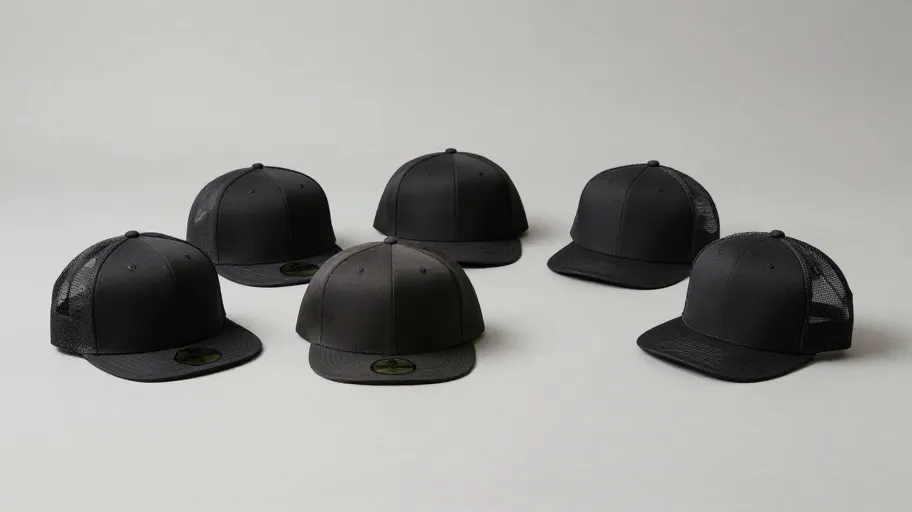
Most free hats samples from Chinese cap manufacturers aren’t really free. They often exclude shipping, branding, and hardware—leading to surprise fees and delayed launches. Here’s how to spot the gaps before you commit.
What Does a Free Cap Sample Include Questions to Ask Before You Order
When a U.S. apparel startup accepted a "free hat sample" offer from a Chinese baseball cap manufacturer, they expected their custom design. What arrived was a generic stock cap—no embroidery, no snap closure, and a $120 DHL bill. This isn’t rare: most free samples include only off-the-shelf models without customization. The lack of your logo, specific fabric, or correct hardware means the sample can't validate real production quality. That mismatch delays decisions, inflates costs, and damages trust before bulk orders begin.
The word "free" here signals access—not value. According to 2024 trade data from the International Apparel Federation, 68% of first-time buyers face unexpected sampling charges averaging $94–$175 per shipment. Why? Buyers want final-product validation; factories deliver catalog previews. A stock sample requires no digitization, material sourcing, or labor setup—so it doesn’t disrupt factory workflow. But for you, that means no real insight into fit, finish, or brand alignment.
- Is the sample made from the same materials as the bulk order? A 320GSM cotton twill feels stiffer and lasts longer than 280GSM. If the factory won’t send swatches or lab dips, assume they’re cutting corners.
- Does it include my custom embroidery, patch, or label? Digitization typically costs $25–$75. If included, confirm thread count and stitch density—low-density logos peel faster.
- What about hardware? Metal snaps cost more than plastic but improve perceived quality. Free samples rarely include upgrades.
- Who pays for shipping? Air freight from Shenzhen to L.A. runs $8–$12/kg. Even at 150g, packaging pushes the cost higher. Always clarify DDP (Delivered Duty Paid) vs. DDU terms.
- Can I modify the sample? Some factories allow one revision at no extra cost if you place an order. Others charge per change—killing agility.
These questions expose more than pricing—they reveal how transparent and flexible a cap factory really is. Vague answers signal a volume-driven supplier. Clear tiered options—like $0 for stock, $45 for branded, $120 for full prototypes—show operational discipline. One DTC brand reduced sampling time by 40% just by switching to a factory with upfront clarity.
The Real ROI of Sample Clarity
Slow sampling kills margins. Every rejected cap, reshipment, or email loop adds days—or weeks—to your timeline. In seasonal fashion, missing Q4 by two weeks can wipe out holiday revenue. A 2025 McKinsey study found brands using structured sampling protocols launched 30% faster than peers relying on informal deals. That speed comes from precision: clear agreements on inclusions, revisions, and shipping terms.
Consider the math: a $120 surprise fee across three designers creates internal distrust. A $150 fully spec’d prototype that prevents a $18,000 lost-sales delay delivers 100x ROI. Forward-thinking brands now treat sampling as R&D, not overhead. They negotiate bundled credits, require digital twins, and use initial payments as MOQ deposits—turning cost into equity.
A truly valuable sample isn’t free—it’s informative. It confirms aesthetics, construction, and wearability so stakeholders approve with confidence. More importantly, it reveals whether the factory sees you as a partner or just another order. When you reframe "free" as "preliminary," you gain leverage. You stop guessing and start negotiating.
The fastest path to bulk production isn’t the cheapest sample—it’s the clearest one. Know what you’re getting, demand proof, and insist on transparency. That’s how you compress time-to-market and scale reliably.
#cap manufacturers china, #headwear manufacturers china, #cap factory