
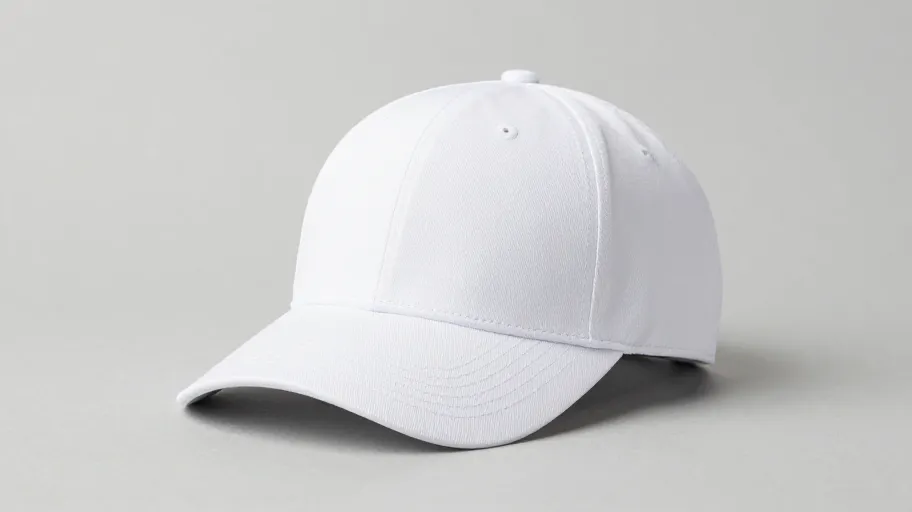
Launching a private-label hat brand doesn’t mean going offshore. With the right cap manufacturers near California, you can cut lead times, reduce risk, and test designs with free hats samples. Here’s how to build smarter from day one.
Why Location Changes Everything
Being close to a cap factory isn’t just about driving distance—it means real-time collaboration. When your designer spots a stitching flaw, you can be on-site in under two hours, not waiting 14 days for a revised sample from overseas. That immediacy means faster iterations because decisions happen face-to-face, not over delayed emails. For startups racing to launch before a trend fades, this speed translates into capturing early sales and avoiding costly markdowns. A Ventura-based DTC brand targeting beachgoers found that producing locally allowed them to ship their bucket hat line two weeks ahead of Memorial Day buzz—giving them first-mover advantage on Instagram. Proximity also reduces hidden costs: no air freight emergencies, no customs delays, and no 30% overproduction buffers just to hedge against miscommunication. In short, local manufacturing turns time into leverage.
Free Hat Samples Are Your Secret Weapon
Free hats samples aren’t a gimmick—they’re a risk-reversal strategy for new brands. Offshore suppliers often charge $75–$150 per prototype, making it expensive to test multiple fabrics or fits. But several California-adjacent factories offer complimentary first samples if you meet minimum order quantities. That means you can validate construction quality, fabric drape, and logo placement without spending a dime upfront. One Los Angeles startup tested three different weaves for their bucket hat line using free samples, discovering that a lighter cotton-linen blend performed better under UV exposure than their original choice. Because they didn’t pay for those prototypes, they avoided locking into a flawed design. This kind of validation means confidence at scale, because you’re not betting thousands on unproven specs. It also signals a manufacturer’s willingness to invest in your success—not just process an order.
Transparency Beats Price Every Time
Don’t just ask how many machines a cap factory has—ask how much visibility you’ll get into production. The best partners provide digital dashboards showing cut dates, stitch progress, quality checks, and shipping milestones. One Oxnard facility reduced rework by 40% after integrating a shared mobile app that let designers flag issues in real time. That level of access means fewer surprises and faster corrections, because problems are caught during sewing, not after delivery. Compare that to offshore vendors who treat production as a black box until shipment—where a single defect can mean scrapping hundreds of units. Transparent workflows also support agile restocking: when a color variant sells out online, you can reorder 200–500 units and have them ready in 10 days. That responsiveness builds customer trust and protects margins by eliminating the need for deep discounts on slow movers.
The Real Cost of Going Overseas
Yes, unit prices at overseas cap manufacturers may be 15–25% lower—but that number ignores the full cost of ownership. Add in import duties (averaging 12.8% on cotton headwear), ocean freight surcharges, potential customs delays, and the working capital tied up in large MOQs, and the savings shrink fast. A 2023 Nearshore Fashion Collective analysis found that for orders under 5,000 units, domestic production delivered a net 9% cost advantage when waste, obsolescence, and cash flow efficiency were factored in. One brand avoided $18,000 in deadstock by producing in 800-unit batches locally and replenishing based on actual demand. That flexibility also supports sustainable claims—shorter supply chains mean lower emissions and stronger storytelling for eco-conscious buyers. So while the per-unit sticker price may be higher, the total business impact is often better.
Building a Supply Chain That Scales With You
The strongest partnerships don’t just fulfill orders—they evolve with your brand. Look for cap factory partners who treat your project as a collaboration, not a transaction. That means welcoming fit checks, sharing production data, and offering technical input on materials or construction. One San Diego startup worked with a local factory to refine the sweatband lining on their bucket hats after early wear tests showed discomfort during extended sun exposure. Engineers adjusted the fabric blend and stitching method within 48 hours—a turnaround impossible with offshore vendors. This kind of co-development builds what investors now call a 'demand-responsive moat': the ability to react to feedback, trends, and sales data faster than competitors. And that agility becomes your most defensible advantage in a crowded market.
Next Steps Without the Guesswork
You don’t need to choose between quality and speed—or assume local means unaffordable. Start by requesting free hats samples from three California-adjacent cap manufacturers and compare not just the final product, but the responsiveness of the team. Can they explain their QC process? Do they offer real-time order tracking? Are they open to small batch runs? Use those answers to filter for true partners, not just suppliers. Then run a pilot order of 300–500 units to test turnaround, communication, and consistency. If it works, you’ve built a foundation for seasonal drops, limited editions, and rapid response to viral moments—all without leaving the West Coast.
#cap manufacturers china, #headwear manufacturers china, #cap factory