

More brands are turning to GRS-certified cap makers not just for greener products, but for smarter operations. Here’s how verified recycling builds trust, cuts risk, and delivers real ROI.
Why Most Eco Caps Aren’t as Green as They Claim
Most sustainable baseball cap manufacturers still rely on unverified recycled materials—leaving brands exposed to backlash and regulatory risk. Without third-party tracking, it’s easy for recycled content to get diluted or swapped during production, a practice known as content laundering. That means a cap advertised as 100% recycled might contain far less, turning eco-marketing into a liability.
The problem isn’t intent—it’s traceability. The Ellen MacArthur Foundation reports that while the fashion industry produces 92 million tons of textile waste yearly, less than 1% of apparel uses truly audited recycled fabric. When a sportswear brand launched a 'green' cap line only to have its claims debunked, it lost credibility fast. Verified sustainability starts with proof, not promises.
GRS certification changes this by requiring chain-of-custody audits at every stage—from plastic flake to finished product. This means every shipment is documented and validated. So when a manufacturer says their fabric is 100% GRS-certified, you’re not taking their word for it. You’ve got audit trails to back it up. That level of transparency doesn’t just reduce greenwashing risk—it builds infrastructure for long-term compliance and consumer trust.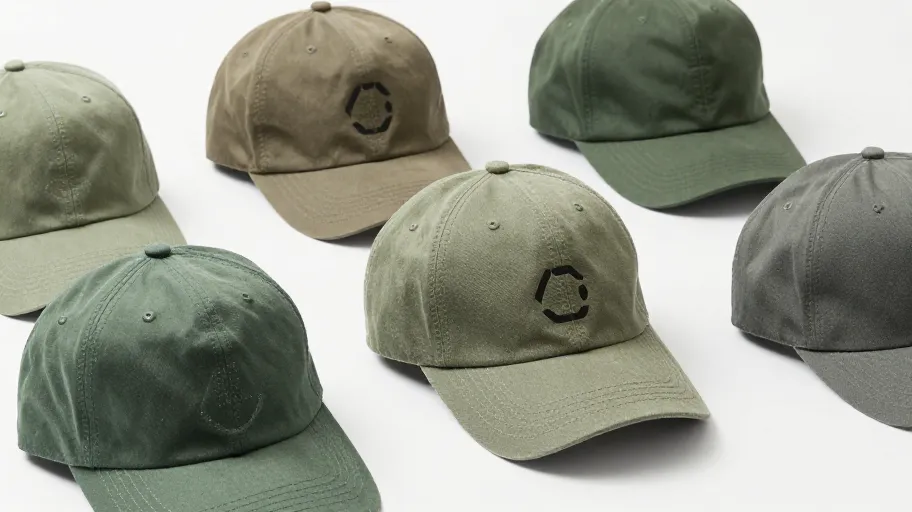
What GRS Certification Actually Delivers
GRS isn’t just another label. It’s a full verification system built on four pillars: minimum 50% recycled content, chain-of-custody audits, strict chemical restrictions, and social responsibility requirements. For decision-makers, this means reduced due diligence effort and stronger ESG reporting. For consumers, it means a product they can actually trust.
Take chain-of-custody audits—they ensure material integrity from fiber spinner to final stitch. No gaps. No substitutions. This level of oversight means brands can confidently claim recycled content without fear of dilution. And because GRS requires annual third-party audits, the system resists fraud better than self-reported claims or internal checks.
It also enables clear communication. Brands can use standardized GRS label levels to show whether a product is fully certified or meets lower thresholds under the Recycled Claim Standard. This clarity protects marketing teams from overclaiming while letting them tell honest stories about progress. One outdoor brand saw a 40% faster ESG audit cycle simply because their suppliers already had GRS documentation in place. That’s efficiency built into the supply chain.
The Real Business Value of Choosing GRS-Certified Partners
Partnering with sustainable baseball cap manufacturers with GRS certificate isn’t a cost—it’s a strategic advantage. A DTC activewear brand that highlighted GRS certification in packaging and digital campaigns saw customer retention jump by 30% in one year. Why? Because Gen Z and millennial shoppers reward transparency with loyalty.
Beyond loyalty, there’s regulatory protection. As the EU’s Strategy for Sustainable Textiles and California’s SB 244 tighten rules on green claims, brands face growing legal exposure. GRS certification reduces that risk by delivering third-party verified data on material origin, chemical use, and labor practices—exactly the kind of evidence regulators demand.
Operationally, it streamlines vendor management. A 2024 benchmark study found that pre-certified suppliers experience 40% less audit fatigue because their documentation works across multiple buyers. One apparel director cut supplier qualification time by six weeks just by prioritizing GRS-certified partners. That speed-to-market edge adds up—especially for brands scaling sustainably.
Selecting a GRS-certified manufacturer means building smarter from the start. You get verifiable sustainability, faster compliance, and stronger brand equity—all from a single standard.
Next Steps for Brands Ready to Build Better Caps
If you’re evaluating cap manufacturers, GRS status should be non-negotiable. It’s no longer enough to ask if materials are recycled—you need proof. Start by requesting full audit documentation, not just a logo on a website. Look for partners who’ve maintained certification across multiple cycles, not just one-time compliance.
Then integrate that verification into your story. Use GRS labels on packaging and digital touchpoints to signal credibility. Consumers don’t just want sustainable products—they want ones they can trust. And regulators increasingly demand the same.
The next era of headwear isn’t about bold logos or trendy colors. It’s about bold claims backed by data. With GRS-certified partners, you’re not just making caps—you’re building resilience, speed, and long-term trust. Ready to source with confidence? Start by asking for the audit trail.
#cap manufacturers china, #headwear manufacturers china, #hat tech pack