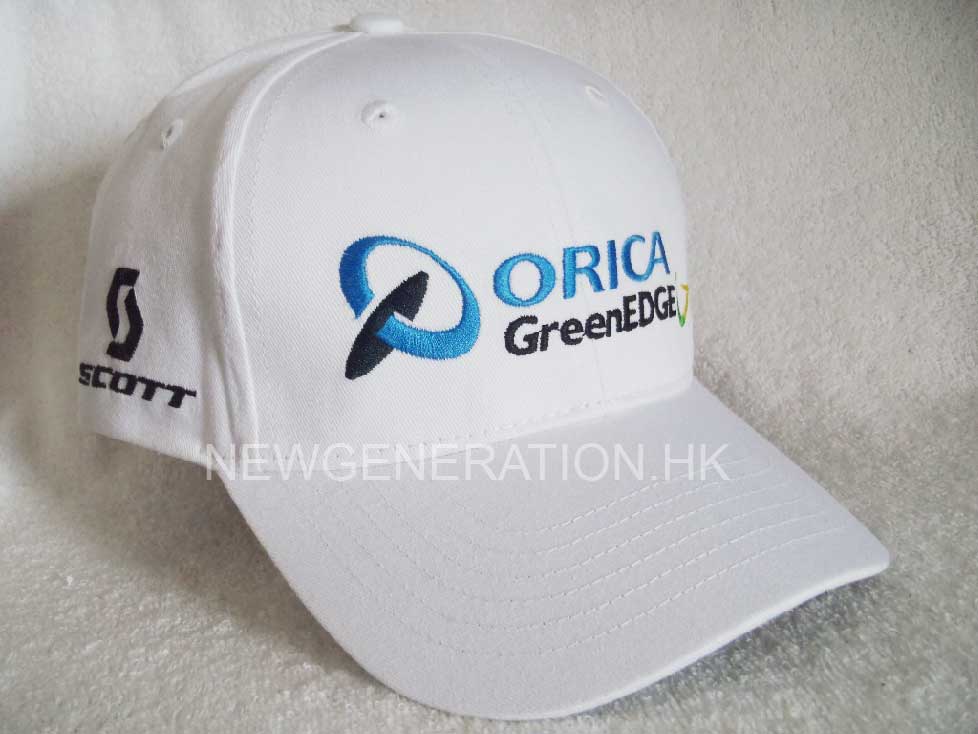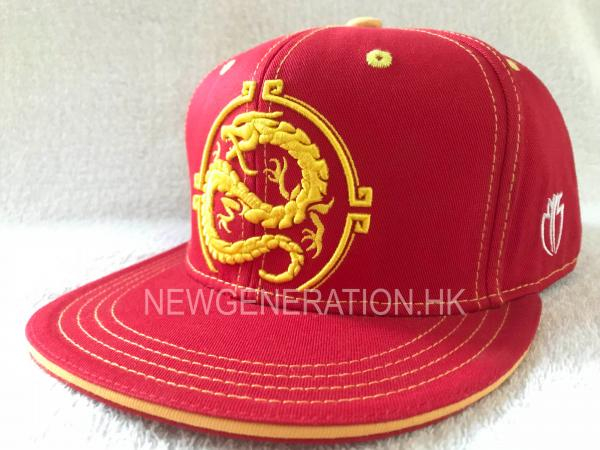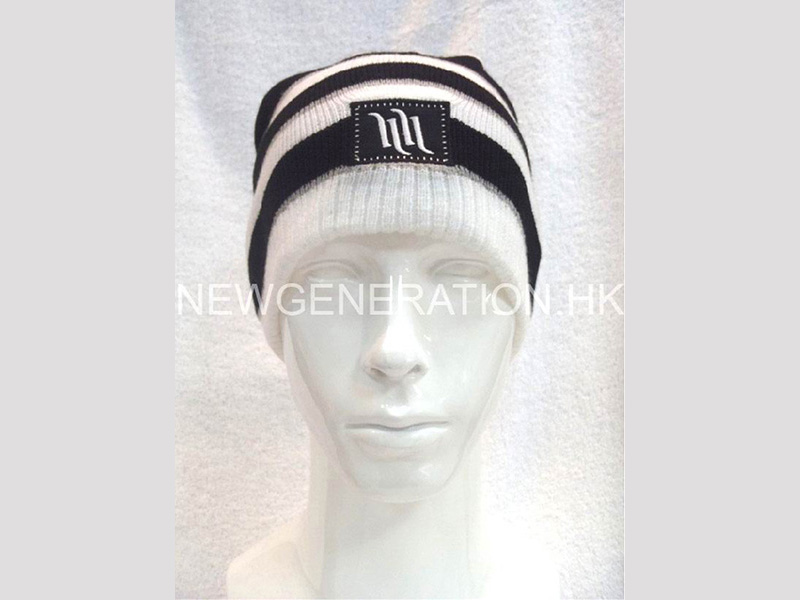



Top cap manufacturers don’t just make hats—they streamline the entire path from sketch to shelf. We break down how leading brands cut development time by up to 40% using specialized factories with built-in spec control and sample validation.
Why Specialized Cap Factories Move Faster Than General Apparel Makers
General garment suppliers treat caps as afterthoughts. That means flat-pattern thinking applied to a 3D product requiring structural support, curved visors, and ergonomic fit. A dedicated cap factory uses CAD-driven pattern libraries and digital grading calibrated to ISO 8559-1 head circumference standards—so when you request a size adjustment, it’s processed in hours, not days. This technical capability means faster revisions because the system adjusts all panels automatically, avoiding manual recalculations that delay timelines. For global buyers under seasonal pressure, this precision translates into real-world speed: one U.S. outdoor brand slashed its sampling cycle from 32 to 19 days simply by switching to a headwear-specialized OEM in Vietnam.
These factories also run concurrent engineering workflows. While one team builds your physical prototype, another tests stress points on mechanical headforms, feeding durability data back before you even review the first sample. The result? Fewer surprise failures later. One Bangladesh-based mill reduced average revision intervals from over five days to under two after forming cross-functional sprint teams focused solely on headwear—leading to a 31% increase in on-time launches for its North American clients in 2025.
The Real Cost of Cheap Sampling Promises
“Seven-day sampling” sounds great—until you realize it only covers sewing time. Hidden delays come from outsourced embroidery, inconsistent dye lots, or waiting weeks for foam cutting vendors to respond. Specialized cap manufacturers avoid these traps by controlling the full chain: yarn, dyeing, laser-cut visors, taping, and assembly. In-house color labs compliant with AATCC TM17-2023 deliver lab dips and stitched swatches alongside prototypes—no external dependencies slowing things down. This vertical integration means consistent quality because every step follows the same standard, reducing post-approval deviations that lead to costly rework.
Beyond internal efficiency, faster sampling unlocks earlier customer feedback. A DTC outerwear brand tested three visor styles and closure types with beta users two months ahead of schedule using rapid prototypes from a Turkish cap factory. They discovered strong preference for a curved snapback—an insight that would’ve arrived too late with traditional timelines. Acting early let them adjust tooling and avoid $180,000 in potential markdowns. Faster sampling doesn’t just shorten calendars—it shifts innovation upstream, aligning final products with actual demand.
How Top Brands Streamline Approvals and Lock In Quality
Approval bottlenecks often stem from unclear specs or mismatched expectations. Specialized factories solve this with standardized BOM templates pre-mapped to common constructions like 6-panel structured or unstructured bucket hats. These templates mean fewer back-and-forth emails because material specs, stitch density, and logo placement are defined upfront. When combined with 3D virtual sampling via platforms like Browzwear VStitcher, buyers can mark up designs digitally and resolve issues in under 72 hours—without shipping physical samples across continents.
The biggest advantage isn’t just speed—it’s consistency. Leading cap manufacturers use validated size matrices based on anthropometric data like SizeUSA 2023, so a medium fits the same across batches and styles. They also track legacy data on fabric shrinkage and visor droop behavior, applying lessons from past runs instead of reinventing the wheel each season. This institutional knowledge means fewer surprises at production, which directly increases margin stability and reduces QC overhead for buyers operating at scale.
Where to Find Factories That Offer Free Samples Without Strings
Not all free samples are created equal. Some factories offer them but charge high MOQs or embed costs in unit pricing. The best partners—especially those in Vietnam, Turkey, and Bangladesh—provide truly free initial samples if you’re working on volume orders (typically 1,000+ units). These facilities have the capacity to absorb prototyping costs because their vertical setup minimizes waste and speeds turnaround. You get realistic, production-intent samples without financial risk.
Look for red flags: no in-house embroidery, lack of color matching reports, or reliance on third-party foam suppliers. These indicate fragmentation—and future delays. Instead, prioritize factories advertising integrated workflows, PLM collaboration tools, and compliance with apparel-specific testing standards. When you engage the right partner, ‘free sample’ doesn’t mean ‘low effort’—it means confidence in execution. And that’s the kind of trust that turns seasonal launches into predictable wins.
#cap manufacturers china, #headwear manufacturers china, #cap factory