


Why Your First Sample Lies to You
That perfect sample you received? It was made by hand. By someone who knew it was being judged. Real production is different. Factories often use their best operators and pre-sorted materials for samples—then switch to untrained labor and bulk stock once the order is signed.
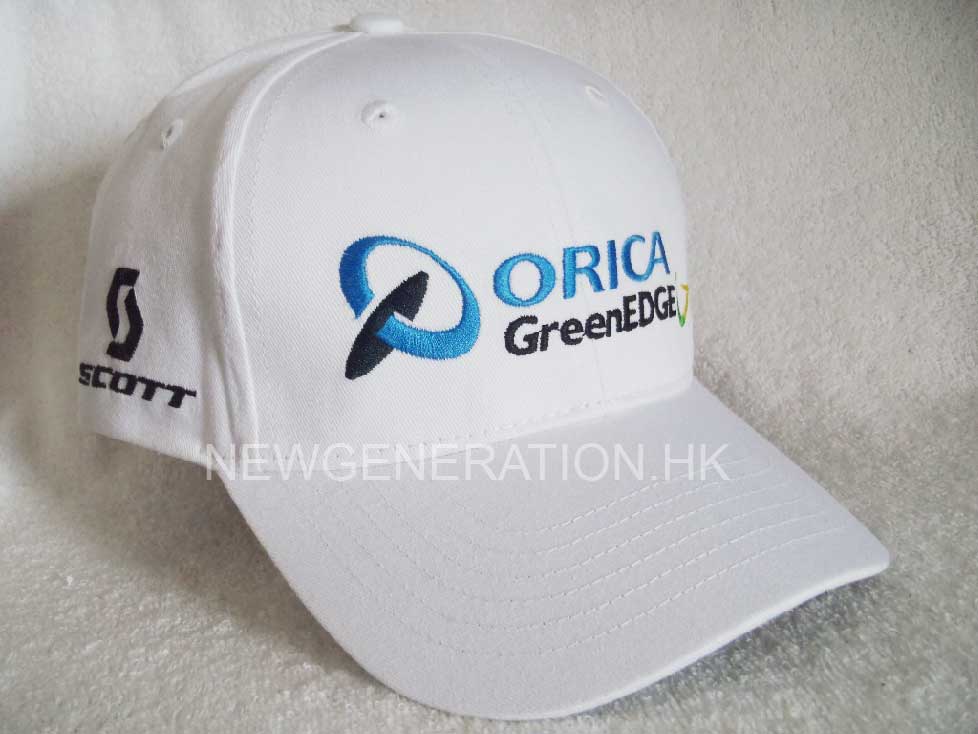
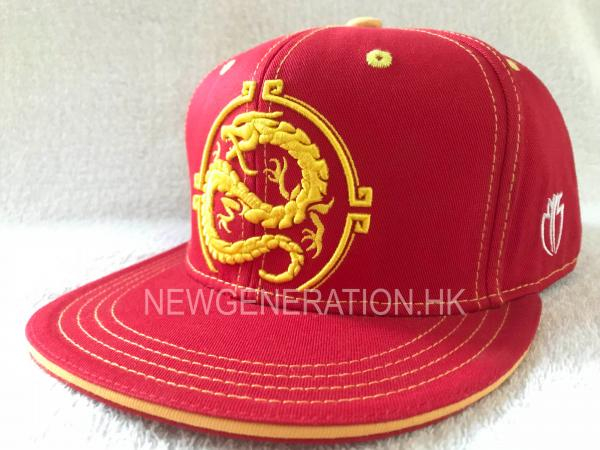
We’ve seen brands fall for this every season. One outdoor apparel company approved a snapback sample with flawless stitching and color match. The full run? Panels were misaligned, thread tension varied, and the underbill coating peeled after two weeks. Why? The sample came from the main facility. The actual production was quietly outsourced to a satellite workshop with no QC oversight.
The fix isn’t suspicion—it’s verification. Ask for a pilot batch of at least 300 units, produced under real conditions. Inspect it the same way your customer will: wear it, wash it, stress-test the seams. If the factory resists, that’s your first red flag. A reliable partner won’t flinch—they’ll expect it.
This matters because consistency is your brand’s backbone. When customers buy your cap, they’re not just buying fabric and thread—they’re buying trust. One bad unit can spark a social media post that reaches ten thousand people. But when every cap looks and feels identical, you build loyalty. That’s why standardized process control means fewer returns, fewer complaints, and more repeat buyers.
Audit the Floor, Not the Brochure
Fancy websites and polished catalogs mean nothing if the factory floor tells a different story. We once reviewed a manufacturer with a pristine Alibaba profile—only to find, during an on-site audit, that raw materials were stored on damp concrete, cutting tables lacked calibration logs, and the ‘dedicated QC team’ was one person handling shipping and inspection.
A real audit goes beyond paperwork. It checks whether ISO certifications are current and verified by third parties like SGS or Bureau Veritas. It confirms that chemical dyes meet OEKO-TEX standards so your caps don’t irritate sensitive skin. It verifies that fire exits are unblocked and workers aren’t over-overtime—because compliance failures can shut down shipments at customs.
Brands using third-party audits reduce shipment delays by 41%, according to Supply Chain Vantage’s 2023 field data. Why? Because auditors catch what self-reports hide. Subcontracting without disclosure. Expired safety reports. High turnover in skilled roles. These aren’t edge cases—they’re common risks in high-volume zones like Guangdong and Fujian.
Operational maturity means your order won’t stall because the head cutter quit. It means there’s a documented SOP for every step—from buckram insertion to embroidery registration—and a corrective action log when things go wrong. That kind of structure doesn’t just prevent defects. It speeds up reorders. One client cut follow-up lead times by 30% simply because their factory kept detailed production records and trained backups for key roles.
Trace Materials Like a Detective
Not all cotton twill is created equal. Dye lots shift. Buckram stiffeners vary in density. And without material traceability, you’re gambling on every batch.
A national coffee chain once launched a co-branded cap line—only to have 30% of units fade dramatically after one wash. Investigation revealed the factory substituted a cheaper pigment to boost margins. No batch logs. No pre-production approval gate. Just a quiet swap that damaged the brand’s credibility.
The solution? Demand lot-level tracking for all core materials. Require pre-production swatches signed off by your team. Test wash samples under real conditions. This isn’t micromanaging—it’s protecting your IP and customer experience.
When you enforce traceability, you gain predictability. Color stays consistent. Fabric weight matches specs. Durability meets expectations. That means fewer customer service tickets, less waste, and no emergency discounting of defective inventory. One promotional brand reduced post-delivery complaints by 94% within six months of implementing strict material controls. Their cost per unit rose slightly—but their net margin improved because returns dropped and reorder rates climbed.
Scale Without Sacrificing Quality
You’re not just making 1,000 caps. You’re building a product line that could hit 50,000 next year. Can your factory handle that jump without collapsing?
Ask about capacity buffers. Do they have extra embroidery machines on standby? Can they onboard temporary labor without sacrificing training? One athleticwear startup learned this the hard way: their initial order shipped fine, but when they doubled volume, quality nosedived. Stitching failed, logos shifted, and delivery slipped by three weeks. The root cause? The factory had no plan for scaling—it relied on whoever showed up that day.
A strategic partner plans for growth. They invest in operator training. They document every process. They run stress tests on new equipment. And they communicate bottlenecks early—not after the deadline passes.
Every dollar spent on vetting saves at least four downstream. Airfreighting replacements costs $18–$25 per unit. Customer service spikes can triple ticket volume. Defective stock often sells for pennies. A full factory assessment—remote review, on-site audit, pilot batch—runs $2,200–$3,800. For a six-figure order, that’s less than 0.5%. That investment doesn’t guarantee perfection. But it guarantees you won’t be scrambling when things go sideways.
Your Cap Is a Moving Billboard
One frayed seam. One crooked logo. That’s all it takes for a customer to call your brand ‘cheap’ online. In reality, your cap isn’t just headwear—it’s a mobile brand impression. Worn at concerts, festivals, city streets. Every stitch reflects your standards.
The brands winning in private label aren’t the cheapest. They’re the ones who treat manufacturing as an extension of their brand promise. They audit early. They test thoroughly. They demand traceability. And they build relationships—not transactions.
If you’re ready to source with confidence, start with a real-world pilot batch and a verified audit. Don’t wait for a disaster to expose weak links. Build a supply chain that scales cleanly, delivers consistently, and protects your reputation—one cap at a time.
#cap manufacturers china, #headwear manufacturers china, #cap factory